 By admin
 Unraveling the Mystery: Why Small White Spots Appear on Your Arms and Legs
Introduction: Noticing Small White Spots on Your Skin?
Have you recently observed small, depigmented patches appearing on your arms or legs? While often benign, these subtle skin alterations can sometimes prompt questions or even mild concern. You’re not alone in noticing these common skin changes. Understanding the root causes of these white spots is key to knowing how to address them and when professional medical guidance is necessary. This comprehensive guide delves into the prevalent reasons behind these skin manifestations, offers insights into prevention, and outlines situations where consulting a dermatologist is advisable.
Understanding the Causes of Small White Spots on the Skin
Small white spots, also known as hypopigmented lesions, on your arms and legs are a common dermatological concern. They can stem from various factors, ranging from innocuous conditions to those that might require medical intervention. Below is an overview of the most frequent culprits:
1. Tinea Versicolor: A Common Fungal Skin Infection
One of the most frequent causes of white spots is a condition known as tinea versicolor. This is a superficial fungal infection where a specific type of yeast, naturally present on the skin, grows excessively. This overgrowth leads to small, discolored patches that are typically lighter than the surrounding skin.
- How It Happens: Fungal Overgrowth
Tinea versicolor is triggered by the uncontrolled proliferation of yeast within the skin’s sebaceous (oil) glands. These spots commonly emerge on the back, chest, arms, and legs. - Environmental Triggers
Factors such as hot and humid climates, profuse sweating, or having an oily skin type can stimulate the yeast’s growth, resulting in these noticeable white spots. - Treatment
Effective treatments include antifungal creams, specialized shampoos, or oral medications, typically prescribed by a healthcare professional, to clear the infection.
2. Vitiligo: A Condition Causing Pigment Loss
Vitiligo is another condition characterized by the skin losing its natural pigmentation, leading to distinct white patches. Though less common than tinea versicolor, vitiligo can result in permanent skin discoloration, particularly on visible areas like the arms, legs, and face.
- How It Happens: Autoimmune Disorder
Vitiligo occurs when the body’s immune system mistakenly attacks and destroys melanocytes—the cells responsible for producing pigment in the skin—leading to the formation of lighter skin patches. - Genetics and Triggers
A family history of vitiligo, alongside potential triggers such as stress, severe sunburn, or other environmental factors, can contribute to the onset and progression of these white patches. - Treatment
While there is currently no definitive cure for vitiligo, various treatments can help manage the condition. These include topical corticosteroids, light therapy (phototherapy), and in some cases, surgical options like skin grafting.
3. Pityriasis Alba: A Mild Form of Eczema, Often in Children
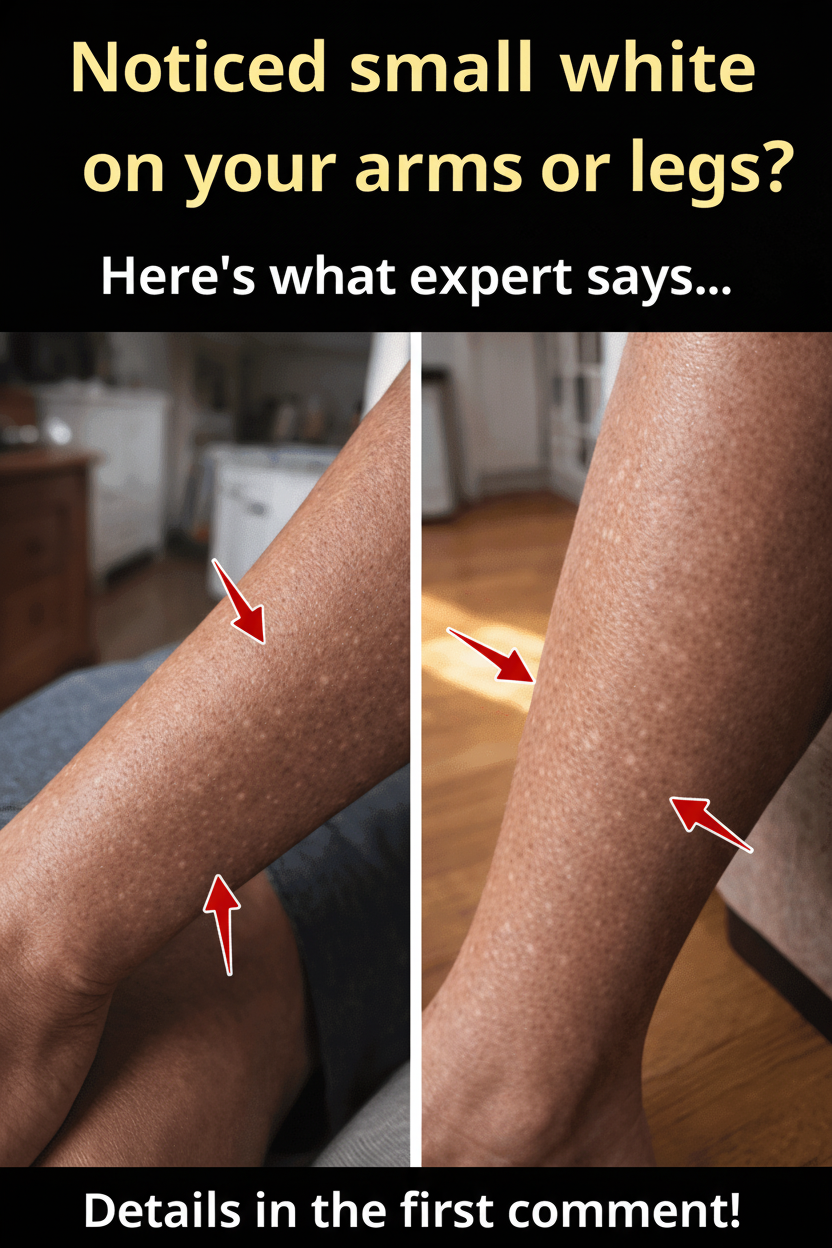
Pityriasis alba is a prevalent skin condition primarily observed in children and adolescents. It manifests as light, subtly scaly patches of skin, most commonly found on the face, arms, and legs.
- How It Happens: Mild Eczema
This condition is widely considered a mild variant of eczema or dermatitis. It causes areas of the skin to become dry, irritated, and subsequently lighter in color. - Sun Exposure
The white spots associated with pityriasis alba often become more conspicuous after sun exposure. This is because the surrounding, healthy skin tans, making the hypopigmented patches stand out more prominently. - Treatment
Regular application of moisturizing creams and, if necessary, mild corticosteroid ointments can help reduce irritation and promote the healing of the affected skin.
4. Sun Damage: White Spots Resulting from UV Exposure
Chronic or intense exposure to the sun’s ultraviolet (UV) rays can inflict damage on the skin, leading to the appearance of small white spots or patches. These spots are typically a consequence of sun-induced alterations in the skin’s pigmentation process.
- How It Happens: Sunburns and Skin Aging
Sun damage can disrupt the skin’s melanin production, leading to hypopigmentation (reduced pigment). These white spots can become more pronounced after a sunburn has healed or as the skin naturally ages over time. - Treatment
The most effective prevention involves consistent use of broad-spectrum sunscreen and avoiding prolonged sun exposure. For existing spots, certain topical creams containing ingredients like hydroquinone or retinoids may help, but it is crucial to consult a dermatologist for personalized advice and treatment plans.
5. Other Potential Causes of White Spots on Skin
Beyond the primary conditions discussed, white spots on the skin can sometimes be attributed to several other contributing factors, including:
- Nutritional Deficiencies: A lack of specific essential nutrients, such as calcium, zinc, or vitamin D, can sometimes lead to noticeable changes in skin pigmentation, including the development of white spots.
- Contact Dermatitis: Allergic reactions or irritation of the skin caused by contact with certain substances (e.g., harsh soaps, lotions, detergents, or even particular fabrics) can result in temporary white spots.
- Dry Skin: Severely dry, flaky skin, especially prevalent during colder weather, can sometimes cause the skin to appear lighter or develop white patches due to changes in its texture and light reflection.
When to Consult a Dermatologist
While many causes of small white spots on the arms and legs are harmless, it’s always wise to seek professional medical advice if you:
- Notice the spots spreading or increasing in size.
- Experience itching, pain, or other uncomfortable symptoms alongside the spots.
- Are concerned about the cosmetic appearance of the spots.
- Are unsure about the cause of the white spots.
- Have tried over-the-counter remedies without success.
A dermatologist can accurately diagnose the underlying cause of your white spots and recommend the most appropriate treatment plan for your specific condition. Early diagnosis and intervention can often lead to better outcomes and peace of mind.