 By admin
 Beyond the Kitchen: Unpacking Baking Soda’s Role in Natural Pest Management
Discovering unwanted guests like cockroaches darting across your kitchen floor or waking up to the tell-tale bites of elusive bed bugs can be more than just annoying – it’s genuinely distressing. The mere presence of these household invaders can disrupt your peace of mind. In the quest for safe, chemical-free solutions, baking soda often emerges as a popular home remedy. But is this common kitchen staple truly effective in tackling pests like cockroaches, ants, bed bugs, and mice? Let’s delve into the science and anecdotal evidence to uncover the truth about using baking soda for natural pest control.
The Scientific Basis: How Baking Soda Might Deter Pests
Sodium bicarbonate, commonly known as baking soda, is celebrated for its versatility in baking and cleaning. But can this ubiquitous household item also be a potent weapon in your natural pest control arsenal? The proposed mechanisms are straightforward: baking soda reacts with acids to produce carbon dioxide gas, and it possesses significant moisture-absorbing properties. For many pests, ingesting baking soda could lead to internal pressure and discomfort. Furthermore, direct contact with the powdery substance might draw moisture from their exoskeletons, leading to fatal dehydration. Given these theories, let’s explore its practical effectiveness against common household pests such as ants, cockroaches, and rodents.
Baking Soda Applications for Specific Pests: Fact vs. Fiction
1. Baking Soda as a Barrier: The Sprinkling Method
A common DIY approach involves liberally sprinkling baking soda along baseboards, entry points, and other areas where insects are frequently spotted. The idea is that the powder will absorb essential oils from their exoskeletons, thereby acting as a deterrent. While some individuals claim minor success in repelling pests with this technique, most evidence is purely anecdotal, suggesting limited long-term effectiveness. For any potential deterrent effect to persist, consistent reapplication and regular cleaning, including vacuuming, are crucial.
2. Creating Rodent Bait: Baking Soda with Sugar or Flour
Mice and rats, infamous for invading homes in search of food, are often targeted with a baking soda concoction. This method suggests mixing baking soda with an attractant like flour or sugar and strategically placing it near signs of rodent activity, such as droppings. The theory posits that rodents, unable to properly expel gas, will suffer from internal pressure after ingesting the mixture. While some anecdotal reports suggest this bait can be effective, significant ethical concerns surround its humane nature. For serious infestations or guaranteed results, more established methods like humane traps or professional pest control services are generally recommended.
3. Addressing Bed Bugs: Baking Soda on Mattresses
Bed bugs represent one of the most challenging household pests, making any natural, DIY solution highly appealing. A common suggestion involves spreading a generous layer of baking soda directly onto mattresses, aiming for the powder to absorb moisture and dehydrate the tiny insects. However, scientific research overwhelmingly indicates that baking soda is largely ineffective against bed bugs. Despite occasional anecdotal claims of reduced activity, this method lacks substantial support from entomologists and pest control experts.
4. Ant Control: Baking Soda and Powdered Sugar Bait
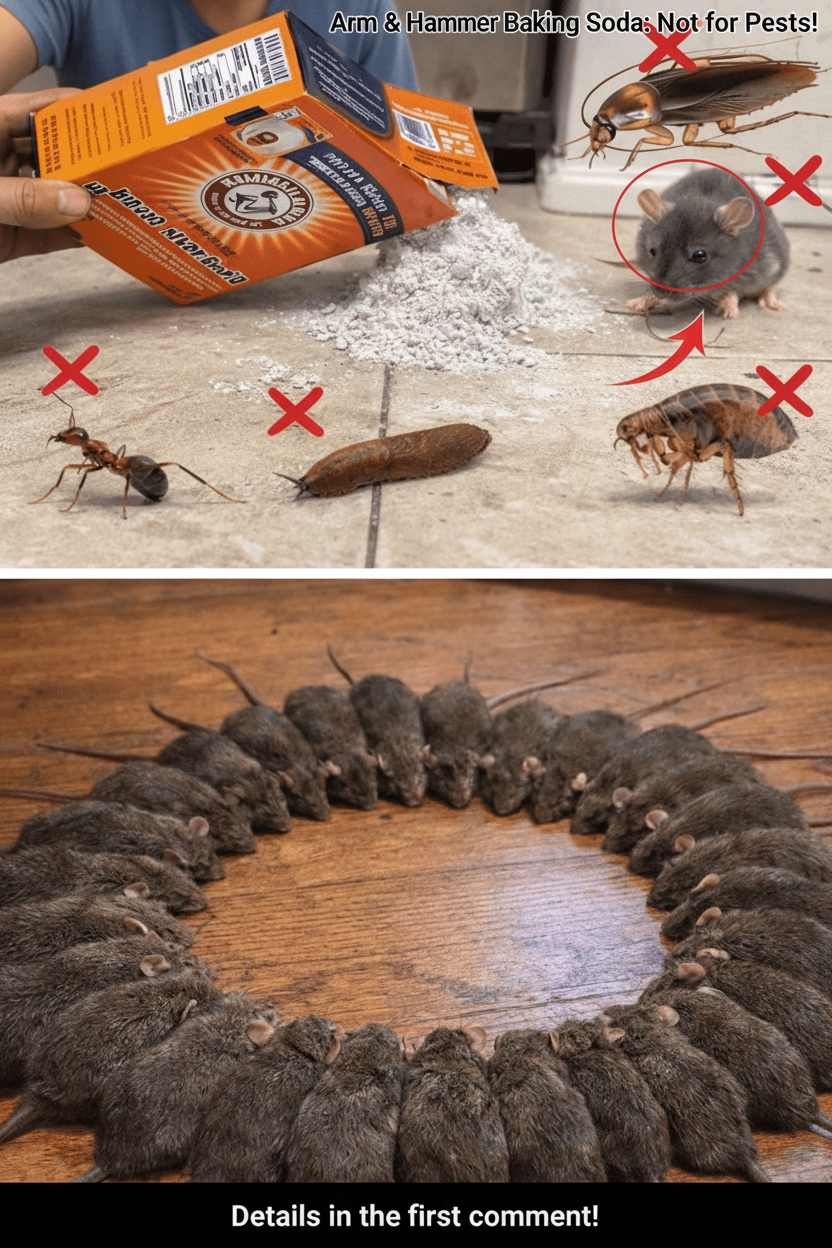
Leveraging ants’ natural attraction to sweets, many homeowners prepare a bait by combining baking soda with powdered sugar. The strategy is for worker ants to collect this appealing mixture and transport it back to their colony, where its ingestion is expected to disrupt their internal systems. While some individuals have reported success with this natural ant control method, it’s not universally effective. Certain observations suggest that ants might detect and avoid the baking soda’s unusual taste, thereby limiting the bait’s overall impact on the colony.
5. Cockroach Bait: Baking Soda with Onion or Peanut Butter
Capitalizing on cockroaches’ preference for strong odors, another DIY bait involves mixing baking soda with pungent ingredients like chopped onion or creamy peanut butter. The goal is to entice roaches to consume the mixture, leading to internal gas production that disrupts their digestive systems. Efficacy reports for this method are inconsistent; some users observe a noticeable reduction in cockroach populations, while others experience no discernible change, indicating varying degrees of success.
6. Simple Cockroach Trap: Sugar and Baking Soda Blend
Perhaps the most widely known homemade remedy for cockroaches is a straightforward blend of equal parts sugar and baking soda. The sugar acts as a powerful attractant, luring the roaches, while the ingested baking soda is intended to cause internal disruption. Many advocates of this method report a significant decrease in cockroach sightings over several weeks. It’s crucial to understand, however, that this isn’t an instant solution; achieving noticeable results demands consistent application and a degree of patience.
7. Boosting Bait Effectiveness: Incorporating Yeast or Other Attractants
To potentially amplify the allure and effectiveness of baking soda baits, some suggest integrating additional attractants, notably yeast. Yeast fermentation produces gas, which might make the bait more enticing to certain pests. While some users have reported an increase in bait consumption and subsequent pest reduction with this enhancement, its efficacy can vary widely depending on the specific pest and environmental conditions. It’s often employed in conjunction with sugar or other food sources to draw pests in more aggressively.
Final Verdict on Baking Soda for Pest Control
While baking soda offers an appealing, non-toxic, and affordable option for those seeking natural pest control solutions, its effectiveness is often a mixed bag. For many common household pests like bed bugs, scientific evidence largely refutes its utility, despite persistent anecdotal claims. For others, such as ants, cockroaches, and rodents, baking soda may offer some deterrent or disruptive effects, but these are rarely foolproof and often require consistent application and patience.
Baking soda can be a useful component in a multi-pronged DIY pest management strategy, particularly for minor infestations or as a preventive measure. However, for established or severe pest problems, relying solely on baking soda is likely to lead to disappointment. In such cases, integrating more scientifically proven methods, such as targeted traps, sealing entry points, maintaining impeccable hygiene, or consulting with professional pest control services, remains the most reliable course of action for achieving lasting relief.