 By admin
 Diabetes in Women: 8 Essential Signs for Early Detection
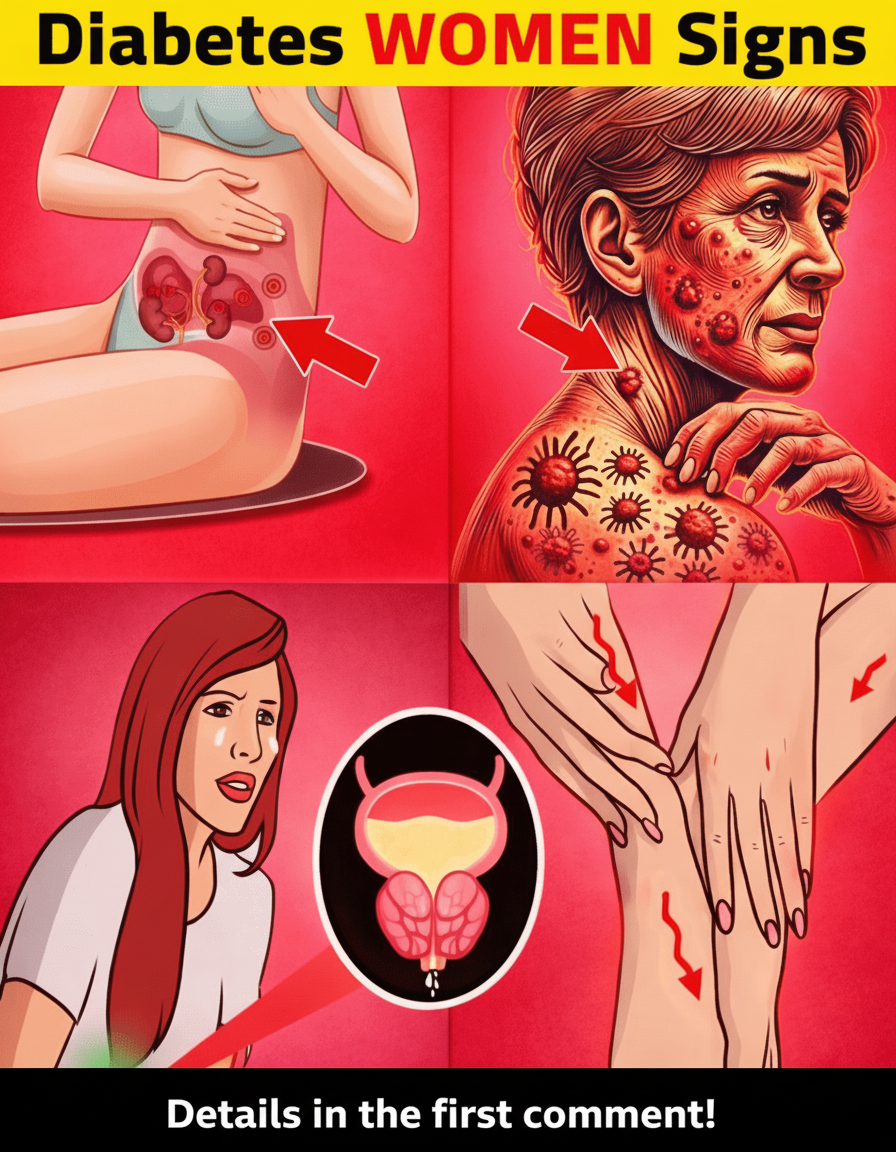
For countless women globally, diabetes often remains undetected for extended periods. Its initial indicators are frequently understated, easily mistaken for the normal stresses of life, the natural process of aging, or simply the demands of a hectic schedule. However, persistently elevated blood sugar levels can silently impact a woman’s energy, skin health, susceptibility to infections, and overall well-being, transforming routine activities into significant struggles. What might begin as a slight increase in thirst or intermittent tiredness could be crucial warning signs of type 2 diabetes, prediabetes, or even gestational diabetes if not addressed promptly. The encouraging news is that identifying these common diabetes symptoms in women early on provides a powerful opportunity to consult healthcare professionals and implement lifestyle changes that foster improved health outcomes. Continue reading to explore the eight most frequently reported signs of diabetes in women, compiled from authoritative health organizations such as the CDC, Mayo Clinic, and American Diabetes Association.
1. Persistent Thirst and Increased Urination
Experiencing an unquenchable thirst, regardless of how much fluid you consume, coupled with a noticeable increase in bathroom visits—including frequent nighttime awakenings—is a primary early indicator of diabetes in women. When blood sugar levels are high, your kidneys intensify their efforts to eliminate the surplus glucose, drawing fluids from your tissues. This process leads to excessive fluid loss and triggers an insatiable cycle of thirst. Many women might attribute these symptoms to caffeine intake, hot weather, or simple dehydration. However, if these changes persist, they could signal an underlying issue and contribute to chronic fatigue and discomfort. The CDC consistently identifies this as a hallmark symptom for both type 1 and type 2 diabetes.
2. Unrelenting, Unexplained Fatigue
Finding yourself exhausted even after a full night’s rest, or feeling profoundly drained following minimal exertion, is a common experience that leaves many women puzzled. This persistent tiredness often stems from the body’s inability to effectively convert glucose into energy, a consequence of insulin resistance or insufficient insulin production. When cells are deprived of their primary fuel source, the result is profound exhaustion and a pervasive “brain fog.” While women frequently attribute such chronic fatigue to hormonal fluctuations, demanding lifestyles, or the onset of perimenopause, reports from the Mayo Clinic underscore that persistent tiredness is a significant early diabetes symptom in women that warrants attention.
3. Recurrent Yeast Infections and Vaginal Discomfort
Women experiencing frequent vaginal yeast infections, accompanied by itching, redness, or unusual discharge, may be encountering a key indicator of elevated blood sugar. Yeast flourishes in environments rich in glucose, making women with uncontrolled diabetes particularly susceptible. What might seem like a recurring minor irritation could, in fact, be a signal that elevated blood sugar levels are compromising the body’s natural immune defenses. Healthcare professionals highlight that women tend to experience these infections more often as a diabetes-related symptom than men, making it a crucial sign to discuss with your doctor.
4. Frequent Urinary Tract Infections (UTIs)
A noticeable increase in the frequency of urinary tract infections, characterized by symptoms such as burning sensations, persistent urgency, or pelvic discomfort, is another prevalent diabetes sign in women. Elevated blood sugar levels create an ideal breeding ground for bacteria within the urinary tract. Furthermore, the compromised immune system often associated with uncontrolled diabetes further heightens the risk of infection. Many women find themselves repeatedly treating UTIs without realizing these recurrent infections could be a significant indicator of an underlying metabolic condition. The CDC specifically points to this pattern as an important health alert.
5. Blurred Vision or Fluctuating Eyesight
Experiencing temporary blurry vision, difficulty focusing, or noticeable shifts in visual clarity can be a direct result of elevated blood glucose. When blood sugar levels are consistently high, fluid is drawn into the lenses of the eyes, causing them to swell and alter their shape. Women frequently observe these changes while performing tasks like reading or driving, often misattributing them to simple eye strain or the need for a new prescription. The Mayo Clinic clarifies that while this symptom is typically reversible with effective blood sugar management, neglecting it can lead to more serious, long-term ocular complications. This is a critical early diabetes symptom to watch for.
6. Slow-Healing Wounds, Sores, or Bruises
If minor cuts, scrapes, or bruises seem to take an unusually long time—weeks instead of days—to heal, it’s a significant cause for concern. Diabetes can severely compromise the body’s circulatory system and its natural healing mechanisms. Women often observe this particularly on their extremities, such as legs, feet, or hands, where even small injuries can become stubbornly persistent. Authoritative organizations like the American Diabetes Association consistently include delayed wound healing as one of the classic diabetes signs that necessitate prompt medical evaluation.
7. Unexplained Weight Fluctuations
Experiencing significant weight loss without any intentional changes to diet or exercise routines can be alarming for many women. This is particularly common in cases of type 1 diabetes or uncontrolled type 2 diabetes, where the body, unable to utilize glucose effectively, begins to break down fat and muscle tissue for energy. Conversely, some women may notice a gradual, unexplained weight gain, often linked to insulin resistance. Both types of shifts can be perplexing and distressing. Monitoring and reporting such unexplained changes are crucial steps in identifying this common diabetes symptom in women early on.
8. Tingling, Numbness, or Pain in Extremities
The sensation of “pins and needles,” burning, or a diminished sense of feeling, particularly in the hands and feet, is a critical indicator of nerve damage, medically known as neuropathy. This condition arises from prolonged exposure to elevated blood sugar levels. Women often report these sensations beginning subtly in the toes or fingers, gradually intensifying and potentially impacting balance or overall comfort. Reputable health resources, including Healthline and WebMD, emphasize that this is a progressive sign, underscoring the vital importance of early detection and intervention for managing diabetes.
Recognizing these subtle yet significant signs of diabetes in women is the first step toward proactive health management. If you experience any of these symptoms, especially in combination, it is imperative to consult a healthcare professional for proper diagnosis and guidance. Early detection of diabetes allows for timely intervention, which can prevent or delay serious complications and significantly improve your long-term health and quality of life.