 By admin
 Imagine strolling through a bustling market, only to spot someone discreetly tucking away a peculiar green plant, seemingly embarrassed by its presence. For many, this unassuming greenery might be mistaken for nothing more than a common weed plucked from the pavement. Yet, what often goes unnoticed is that this humble plant, known as purslane, has been a quiet staple in traditional diets for centuries. The surprising reality is that countless individuals walk past this nutritional powerhouse daily, unaware it harbors vital nutrients rarely found together in everyday vegetables. But before you dismiss this resilient plant as merely another wild growth, know that purslane holds a remarkable secret that continues to intrigue nutrition scientists – a revelation we’ll explore further in this article.
What Is Purslane? An Ancient “Weed” Catching Modern Scientific Attention
Scientifically classified as Portulaca oleracea, purslane is a low-growing, succulent leafy plant thriving naturally across numerous warm regions globally. In places like Mexico, it’s affectionately known as verdolaga and has been a cornerstone of traditional culinary practices for generations. Indeed, a wealth of heritage Mexican recipes feature verdolaga prominently in everything from hearty stews and comforting soups to simple, flavorful sautéed preparations. However, the true intrigue lies in its modern rediscovery. Contemporary nutritional science has begun to delve deeper into this unassuming plant, with researchers pinpointing an extraordinary blend of nutrients seldom coexisting in other common leafy greens. Extensive studies focusing on edible wild plants have consistently revealed purslane to be a rich source of:
- Potent Omega-3 fatty acids
- Essential Vitamins A, C, and E
- Crucial minerals like Potassium and Magnesium
- Powerful natural antioxidants
This particular nutritional synergy is exceptionally rare. While many leafy vegetables boast high vitamin content, very few provide significant quantities of plant-based omega-3 fats. But the story doesn’t end there. Scientists have also identified beneficial compounds such as melatonin and glutathione within purslane, both of which are strongly associated in scientific literature with robust cellular protection and powerful antioxidant capabilities. In essence, this modest plant offers an astonishingly concentrated and diverse nutritional profile.
To summarize its impressive contributions, here’s a quick snapshot of purslane’s key nutrients and their vital roles:
| Key Nutrient | Its Essential Role |
|---|---|
| Omega-3 Fatty Acids | Crucial for overall balanced nutrition and heart health |
| Vitamin A | Essential for healthy vision and skin integrity |
| Vitamin C | Boosts immune system function and provides antioxidant support |
| Magnesium | Supports optimal nerve and muscle function, and energy production |
| Potassium | Vital for maintaining proper hydration and regulating heart rhythm |
While no single food can be considered a miraculous cure-all, incorporating a wider variety of plants into your daily diet is a proven strategy for enhancing nutritional diversity. Purslane, with its accessible nature and rich nutrient content, presents one of the simplest and most effective ways to achieve this.
What Makes Purslane a Standout Among Leafy Greens?
This is where purslane truly distinguishes itself. While omega-3 fatty acids are commonly linked to sources like fatty fish (salmon), flaxseeds, or walnuts, purslane stands out as one of the few terrestrial plants that naturally provides these crucial fats. This unique attribute is precisely why nutrition researchers frequently refer to purslane as a truly “nutrient-dense edible plant.” But its exceptional qualities don’t stop there. Further laboratory analyses have confirmed that purslane is abundant in antioxidant compounds, which play a vital role in supporting optimal cellular health and maintaining the body’s natural equilibrium. To put it simply, our bodies constantly face stressors from environmental pollution, processed foods, and the natural aging process. Antioxidants are nature’s defense mechanism, helping to neutralize these harmful elements and sustain overall cellular balance. Common foods renowned for their high antioxidant content typically include:
- Vibrant Berries
- Premium Olive Oil
- Various Green Vegetables
- Aromatic Herbs and Spices
Quietly, yet powerfully, purslane earns its rightful place on this esteemed list. What many tend to overlook, however, is the irony of its widespread availability. Because purslane grows so readily and effortlessly in many environments, it is frequently dismissed as nothing more than a common “weed.” Yet, indigenous cultures and traditional cuisines embraced its value in their cooking long before the advent of modern nutritional science. This serves as a powerful reminder: often, the most profoundly beneficial foods are those that have been humbly hiding in plain sight, waiting to be rediscovered.
Effortless Ways to Incorporate Purslane into Your Daily Diet
Integrating purslane into your culinary repertoire is remarkably simple, thanks to its mild, slightly lemony, and wonderfully refreshing flavor profile. This makes it an incredibly versatile ingredient, suitable for a wide array of dishes. Here are some straightforward ideas to get you started:
1. Energizing Morning Smoothie
For a vibrant, nutrient-packed start to your day, blend the following:
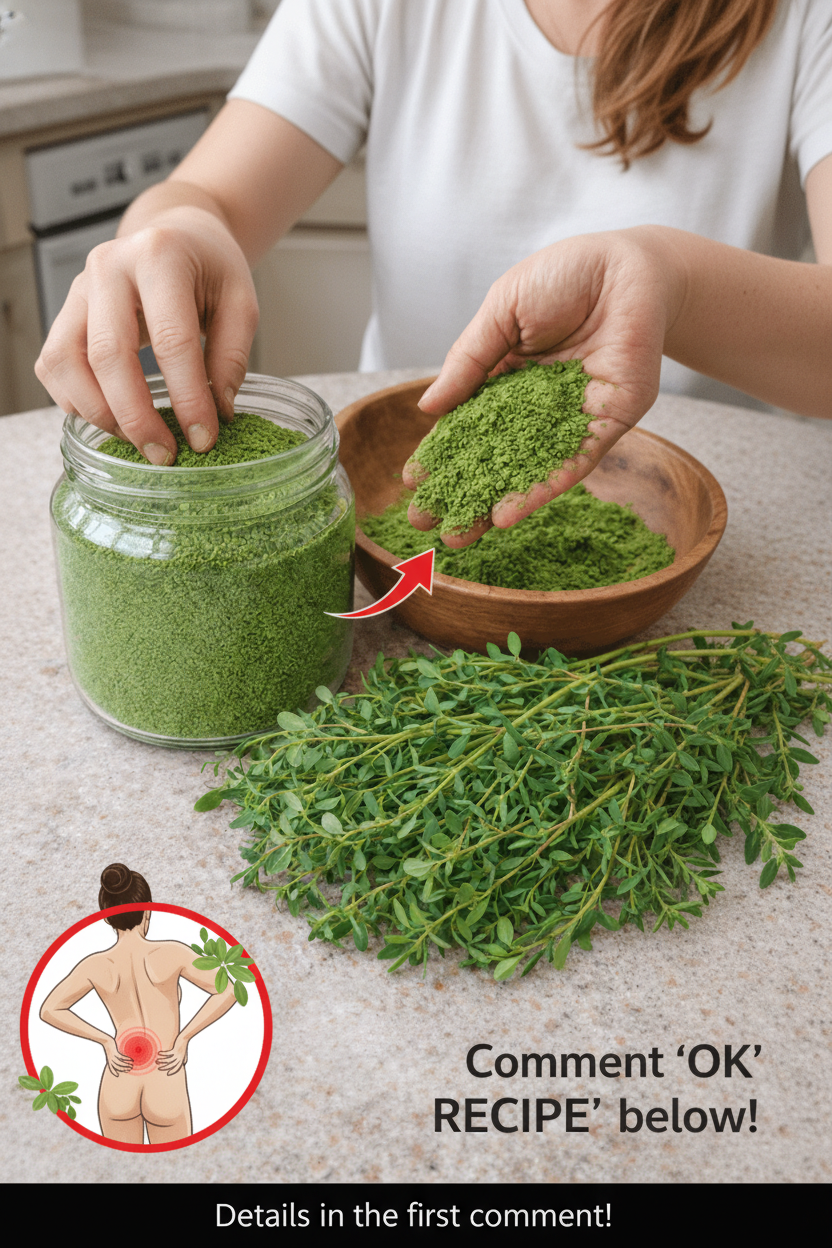
- A generous handful of fresh purslane leaves
- Half a crisp green apple
- A squeeze of fresh lemon juice
- A small slice of fresh ginger
- A splash of hydrating coconut water
This delightful fusion creates an invigorating beverage brimming with essential plant-based nutrients.
2. Crisp and Refreshing Salad
Given its tender leaves, purslane is an excellent addition to raw preparations. Simply chop and combine with:
- Halved cherry tomatoes
- Diced avocado
- Finely sliced red onion
- A drizzle of extra virgin olive oil
- A dash of apple cider vinegar
The delicate texture of purslane leaves makes them perfectly suited for fresh, uncooked dishes.
3. Quick Sautéed Side Dish
For a warm, savory option, gently sauté purslane. Heat a small amount of olive oil in a pan and add:
- Minced garlic
- A pinch of turmeric
- Fresh purslane leaves
Cook briefly, just for a few minutes, to soften the leaves while retaining their distinctive flavor. A popular tip among seasoned home cooks: purslane wonderfully complements dishes featuring eggs, beans, and various traditional Mexican sauces, enhancing their taste and nutritional value.
Important Considerations Before Enjoying Purslane
While purslane is a fantastic addition to most diets, it’s crucial to exercise caution, especially when foraging for wild plants. Always ensure you can accurately identify purslane to avoid consuming potentially harmful look-alikes. If you are new to wild harvesting, consider sourcing purslane from organic markets or reputable growers. Furthermore, as with any dietary change, if you have underlying health conditions or are taking medications, it’s always wise to consult with a healthcare professional before making significant additions to your diet.
Embrace the Power of Purslane
From being a humble, often-ignored “weed” to a recognized superfood, purslane truly offers a surprising bounty of health benefits. Its unique combination of omega-3 fatty acids, vitamins, minerals, and antioxidants makes it a valuable asset for anyone looking to boost their nutritional intake and explore diverse plant-based options. Don’t let its common appearance fool you; this resilient green is a testament to nature’s hidden treasures, ready to surprise and nourish your diet in delightful ways. So, next time you spot purslane, remember its incredible potential and consider inviting this ancient superfood to your table.