 By admin
 Understanding Uterine Fibroids: Essential Insights & Lifestyle Habits for Women’s Health
It’s a common, yet often unspoken, experience for many women: the sudden, perplexing changes in their bodies. Imagine a woman in her late 40s, diligent about her health – regular walks, a nutritious diet, avoiding processed foods – yet she finds herself discreetly purchasing extra sanitary products due to unexpectedly heavy menstrual flow. Her confusion, and perhaps a touch of embarrassment, is a sentiment echoed by countless others who wonder what they might have done ‘wrong’. The surprising truth is that even women committed to very healthy lifestyles can still develop uterine fibroids. This article aims to demystify this common condition and shed light on crucial factors, including a simple, often overlooked habit that can significantly support hormonal balance.
What Are Uterine Fibroids? Demystifying a Common Condition
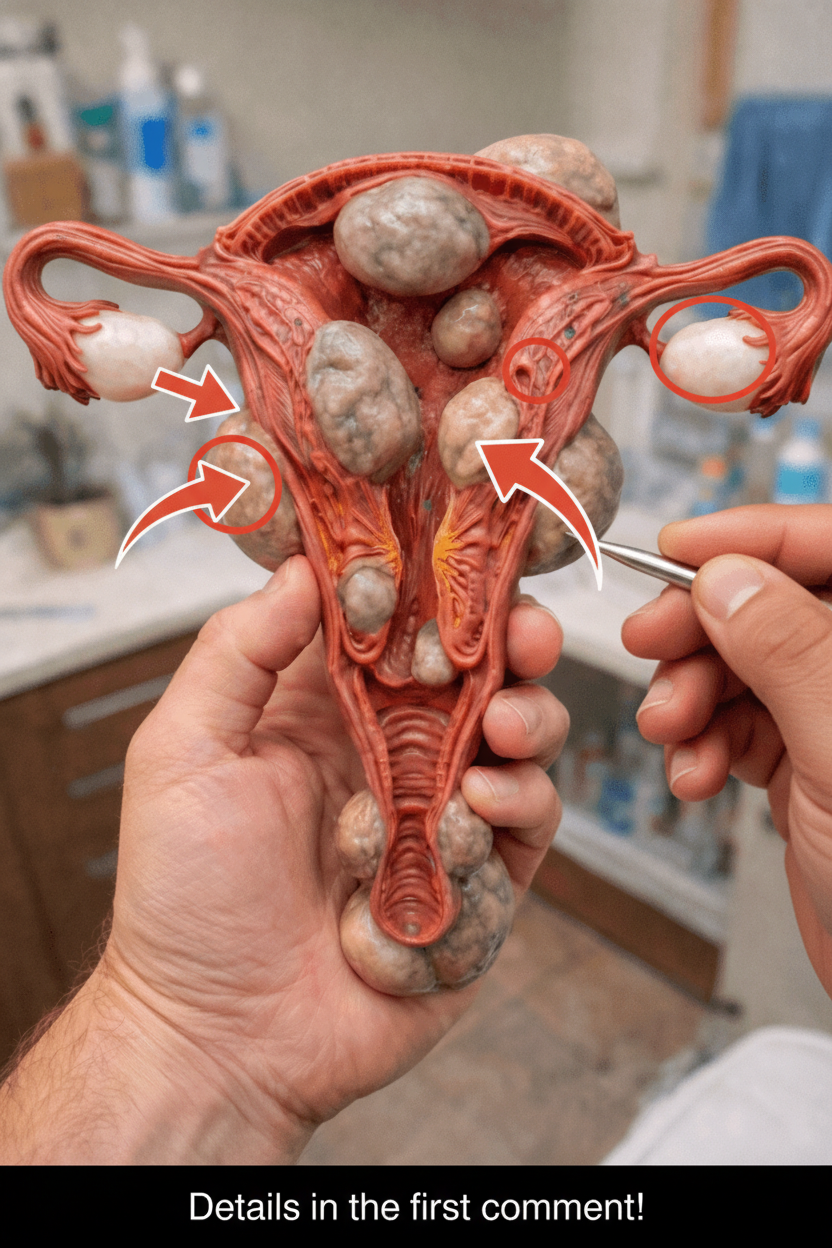
Uterine fibroids, medically known as leiomyomas, are non-cancerous growths that develop from the muscle tissue of the uterus. They are remarkably common, though many women remain unaware of their presence for years.
Initially, fibroids can be quite small and asymptomatic. However, as they grow, they may begin to cause noticeable changes and discomfort, such as:
- Abnormally heavy or prolonged menstrual bleeding
- A feeling of pressure or fullness in the pelvic area
- Increased frequency of urination due to bladder compression
- Persistent mild discomfort or pain in the lower back
- Irregular or extended menstrual cycles
The impact of fibroids can also depend on their location within the uterus. Here’s a breakdown of common types:
| Type | Location of Growth | Potential Effect |
|---|---|---|
| Intramural Fibroids | Develop within the muscular wall of the uterus | Can enlarge the uterus, causing pelvic pressure and heavy bleeding |
| Subserosal Fibroids | Grow on the outer surface of the uterus | May press on adjacent organs like the bladder or bowel, leading to discomfort |
| Submucosal Fibroids | Protrude into the uterine cavity | Often strongly associated with very heavy and prolonged menstrual bleeding |
It’s noteworthy that many women only discover the presence of fibroids incidentally during routine gynecological examinations or ultrasound scans. This often prompts a significant question: If I live a healthy life, why do uterine fibroids still develop?
Unraveling the Causes: Why Fibroids Develop Even in Healthy Lifestyles
While diet and lifestyle are often the first suspects, the development of uterine fibroids is a multifaceted process influenced by a combination of biological and environmental factors. It’s rarely a single cause but rather an interplay of several elements.
The Pivotal Role of Hormones
Uterine fibroids are highly sensitive to the reproductive hormones estrogen and progesterone. These hormones, essential for regulating the menstrual cycle, can also stimulate the growth of fibroid cells. This hormonal influence explains several key patterns:
- Fibroids predominantly emerge during a woman’s reproductive years.
- They may experience accelerated growth during pregnancy when hormone levels are elevated.
- Conversely, fibroids frequently shrink and often resolve after menopause, as hormone production declines.
Even subtle shifts in hormonal balance can play a significant role in encouraging fibroid development and growth.
Genetic Predisposition and Family History
Genetics can be a powerful determinant. If your mother or sister has experienced uterine fibroids, your own risk may be considerably higher. Researchers have identified specific genetic patterns that can make uterine muscle cells more prone to forming these benign growths, suggesting a hereditary component.
Body Weight, Insulin Sensitivity, and Estrogen Levels
The relationship between body weight and fibroids often surprises patients. Adipose (fat) tissue is not merely storage; it’s an active endocrine organ capable of producing additional estrogen. Higher levels of estrogen can, in turn, promote fibroid growth in susceptible women. Furthermore, insulin resistance, a condition where cells don’t respond effectively to insulin, can lead to elevated insulin levels. This can stimulate cellular activity and proliferation, potentially contributing to fibroid development.
Environmental Factors: Endocrine Disruptors
Our modern environment exposes us to various chemicals known as endocrine-disrupting chemicals (EDCs). These substances, found in sources like certain plastics, cosmetics, and processed food packaging, can mimic or interfere with the body’s natural hormones. By disrupting delicate hormonal balance, EDCs may contribute to an environment conducive to fibroid growth. However, it’s crucial to remember that lifestyle choices remain impactful, as they can influence how our bodies process these substances and manage inflammation.
Dietary Influence: Foods That Impact Fibroid Growth and Hormonal Balance
While diet alone is not a direct cause of uterine fibroids, it significantly influences hormonal balance, inflammation, and overall metabolic health. Certain dietary choices can either exacerbate or mitigate factors contributing to fibroid development.
Foods to Consider Limiting
Regular consumption of certain foods may promote inflammation and negatively affect hormone metabolism. These include:
- Highly processed meats (e.g., cold cuts, sausages)
- Deep-fried and excessively fatty foods
- Refined sugars and high-fructose corn syrup
- Products made with white flour (e.g., white bread, pastries)
- Excessive alcohol intake
Minimizing these can help reduce systemic inflammation and support a healthier hormonal environment.
Nutrient-Rich Foods to Embrace
Conversely, a diet rich in specific nutrients can support reproductive health, reduce inflammation, and aid in hormone regulation. Research frequently highlights the benefits of:
- Dark leafy greens such as spinach, kale, and collard greens (rich in vitamins and minerals)
- Berries and other colorful fruits (packed with antioxidants)
- Flaxseeds (a source of lignans, which can modulate estrogen)
- Whole grains (for fiber and sustained energy)
- Legumes like beans and lentils (excellent sources of fiber and plant protein)
- Green tea (containing beneficial plant compounds and antioxidants)
Adopting a predominantly plant-forward eating pattern can be a powerful strategy for maintaining hormonal equilibrium and reducing inflammation. Surprisingly, the body’s efficiency in processing and eliminating hormones also heavily relies on one often-underestimated organ: the liver.
Empowering Daily Habits for Hormonal Harmony and Uterine Health
While preventing fibroids entirely isn’t always possible, many women find empowerment in adopting proactive habits that support overall hormonal health and potentially mitigate fibroid growth.
Maintaining a Healthy Weight
Achieving and sustaining a balanced weight is crucial for estrogen regulation, as excess body fat can produce additional estrogen. Even modest weight management efforts can lead to significant improvements in hormonal balance. Practical habits include:
- Engaging in regular physical activity, such as daily walking or cycling.
- Incorporating light strength training exercises to build lean muscle mass.
- Consuming balanced meals rich in fiber, lean protein, and healthy fats to promote satiety and stable blood sugar.
Prioritizing Liver Health for Optimal Hormone Metabolism
The liver plays a starring, yet often overlooked, role in hormonal balance. It’s responsible for metabolizing and detoxifying excess hormones, including estrogen. If the liver isn’t functioning optimally, hormones can recirculate in the body, potentially contributing to hormonal imbalances that favor fibroid growth. Supporting liver health is a simple yet profound habit:
- Stay well-hydrated by drinking plenty of water throughout the day.
- Include cruciferous vegetables like broccoli, cauliflower, and Brussels sprouts in your diet, which contain compounds that aid liver detoxification.
- Limit exposure to environmental toxins and chemicals that can burden the liver.
- Consider incorporating herbs like milk thistle or dandelion root, known for their liver-supportive properties, after consulting with a healthcare professional.
By understanding the complex interplay of genetics, hormones, lifestyle, and environmental factors, women can take proactive steps to support their uterine health and overall well-being. It’s about empowering yourself with knowledge and making informed choices for a healthier future.