 By admin
 Your Feet as Early Indicators: Uncovering Subtle Signs of Liver Problems
While your feet tirelessly support you through daily life, they can also serve as unexpected messengers, signaling potential health issues within your body—including concerns related to your liver. It’s common for individuals to dismiss changes in their feet, attributing them to fatigue, ill-fitting footwear, or simple wear and tear. However, these seemingly minor alterations can sometimes be crucial indicators of underlying liver function. If you’ve observed ongoing discomfort, unusual changes in appearance, or persistent sensations in your feet that don’t readily resolve, it’s prudent to investigate further. The proactive step of recognizing these early warnings empowers you to initiate timely discussions with a medical professional.
Why Your Feet Can Signal Liver Health Concerns
The liver is a powerhouse organ, essential for numerous vital bodily functions, including detoxification, metabolism, protein synthesis, and maintaining fluid equilibrium. When its ability to perform these critical roles is compromised, the systemic impact can manifest in areas far from the liver itself, such as your lower extremities. Consequently, symptoms like swelling, alterations in skin coloration, or peculiar sensations experienced in the feet frequently originate from these overarching physiological disruptions. Many find it perplexing and distressing when routine foot problems persist without an apparent cause. Yet, a deeper understanding reveals that several prevalent foot conditions are indeed medically recognized as potential indicators of liver-related issues.
1. Persistent Swelling in Feet and Ankles (Edema)
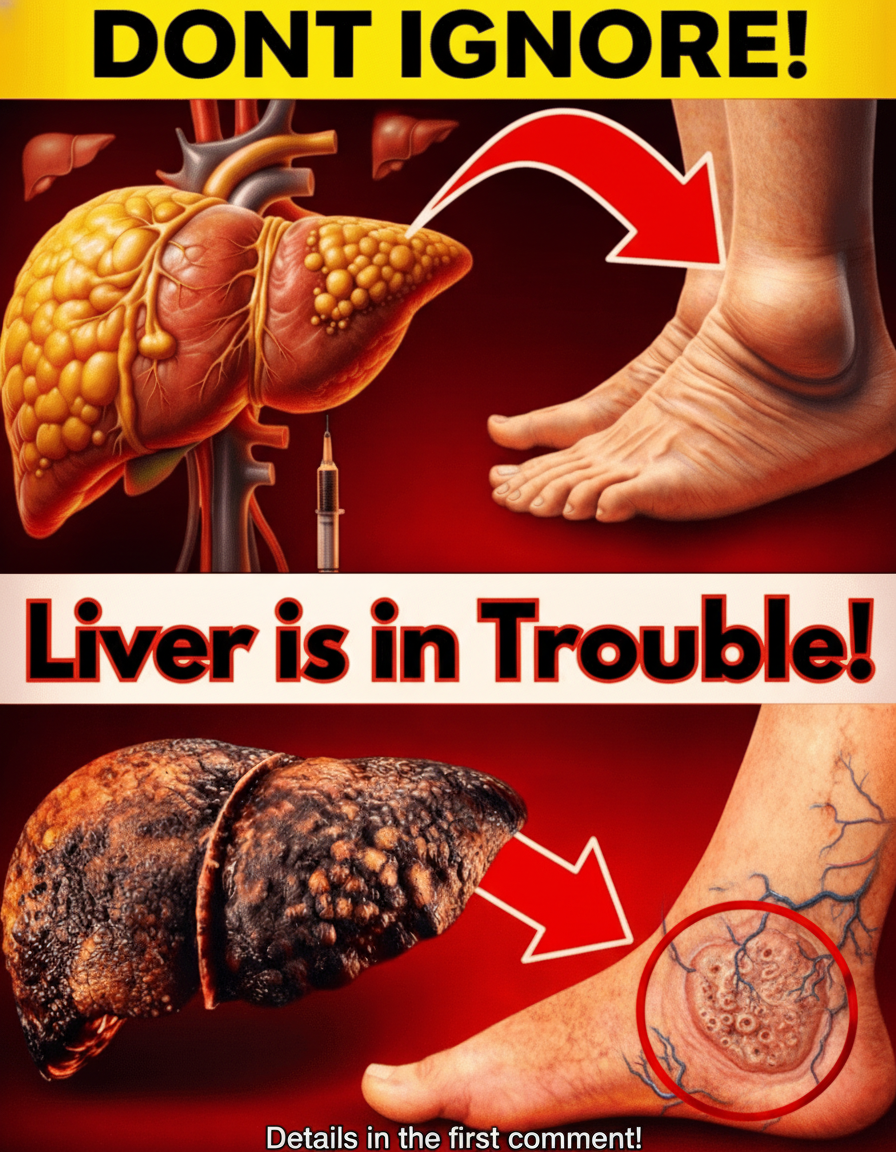
Among the most common indicators is noticeable swelling or puffiness in the feet and ankles, known as peripheral edema, which fails to subside readily with rest or by elevating your legs. This phenomenon frequently arises when the liver’s capacity to produce albumin, a crucial protein responsible for retaining fluid within blood vessels, is diminished. With insufficient albumin, fluid can extravasate into the interstitial tissues, gravitating particularly to the lower limbs.
What to look for: The swelling is often persistent, making footwear feel uncomfortably tight or leaving deep indentations from socks. It may also be accompanied by general fatigue or discomfort in the abdominal region. Should you experience these symptoms, it’s advisable to consult a healthcare provider, as persistent edema can be linked to various underlying health issues, including significant liver dysfunction.
2. Unexplained Itching on Soles (Pruritus)
Experiencing intense, persistent itching, particularly on the soles of your feet—and often more pronounced at night—can be incredibly frustrating, especially when there’s no visible rash or skin irritation. This symptom, medically termed pruritus, is frequently associated with cholestasis, a condition where the flow of bile from the liver is impaired. When bile flow slows, bile salts can accumulate in the bloodstream, subsequently irritating nerve endings, particularly in the palms of your hands and soles of your feet.
What to look for: The itching typically intensifies during the evening hours, significantly disrupting sleep, and might also affect your hands. It is a common manifestation of conditions that impact bile production and flow. Many individuals report this symptom as one of the most debilitating, transforming peaceful nights into restless struggles.
3. Yellowish Discoloration of Skin or Toenails (Jaundice)
A faint yellowish hue observed on the soles of your feet, toes, or even toenails can be a subtle but significant sign, though jaundice often becomes more apparent in the whites of the eyes or general skin first. This discoloration is directly linked to jaundice, a condition where bilirubin—a yellow pigment produced during the breakdown of red blood cells—accumulates in the body because the liver is unable to process or excrete it efficiently.
What to look for: This yellowing typically develops gradually and may be accompanied by other signs such as darker-than-usual urine or unusually pale stools. While it might initially be very subtle on the feet or nails, recognizing such changes early is crucial. The presence of jaundice necessitates immediate medical assessment, as it indicates a potential underlying liver issue requiring diagnosis and treatment.
4. Unexplained or Persistent Foot Pain and Tenderness
Experiencing unexplained aching, tenderness, or persistent discomfort in your feet, especially in the absence of any specific injury, can sometimes be connected to systemic effects stemming from liver inflammation or other related hepatobiliary issues. Factors such as fluid retention, alterations in peripheral circulation, or widespread inflammation originating from a compromised liver can contribute to this generalized foot pain.
What to look for: The pain is often described as ongoing, potentially worsening with activity, and may be accompanied by persistent fatigue or other non-specific symptoms. While it’s natural to attribute such discomfort to ill-fitting shoes or prolonged standing, its persistence warrants a deeper investigation into broader systemic causes.
5. Alterations in Toenail Appearance
Noticeable changes in the appearance of your toenails—such as becoming unusually pale, developing a yellowish tint, becoming brittle, thickening, or displaying prominent ridges—can often be indicative of internal physiological imbalances. Liver dysfunction, in particular, can impair the body’s ability to process nutrients and maintain healthy circulation, indirectly affecting nail health and growth.
What to look for: Observe if your nails gradually change in texture or color over time, perhaps becoming more fragile, prone to breakage, or discolored. Documenting these subtle, progressive shifts, especially when considered alongside other potential symptoms, can provide valuable insights for discussions with your healthcare provider.

6. Persistent Sensation of Cold Feet
Feet that consistently feel unusually cold, even when you are in a warm environment, may be a sign of compromised peripheral circulation. When the liver is under strain, it can affect overall blood flow regulation and oxygen delivery to the extremities, resulting in a persistent sensation of chilliness in the feet.
What to look for: The coldness endures despite wearing warm socks or being in a comfortably heated room. This symptom is frequently accompanied by general tiredness or fatigue. Such a persistent complaint can be quite frustrating and can impact daily comfort and mobility.
When to Seek Medical Advice
While many of these foot symptoms can be attributed to less serious conditions, their persistence, worsening, or appearance in combination with other general symptoms (like fatigue, unexplained weight loss, or abdominal discomfort) should prompt a visit to your doctor. Early detection of liver issues is critical for effective management and can significantly improve outcomes. Your feet offer a unique window into your overall health; paying attention to their silent warnings could be a proactive step towards safeguarding your well-being.