 By admin
 Many individuals frequently encounter minor daily discomforts, whether it’s the occasional burn of heartburn after a meal, muscle soreness following an intense workout, or mild skin irritations that interrupt their routine. These common issues can be frustrating and hinder one’s ability to fully enjoy daily activities. While a wide array of over-the-counter remedies are available, some people seek out simple, natural household alternatives for gentle support. What if a common pantry item like baking soda, scientifically known as sodium bicarbonate, could offer practical solutions for these everyday concerns?
Insights from various studies and expert opinions suggest that baking soda may indeed provide benefits in specific, limited scenarios when utilized correctly and safely. This comprehensive guide will delve into evidence-based applications, provide clear instructions for safe preparation and use, and outline crucial precautions to help you determine if incorporating baking soda into your wellness routine is right for you.
Why Baking Soda Garners Attention for Wellness
Baking soda is recognized as an alkaline compound, meaning it possesses the ability to neutralize acids. This fundamental property makes it particularly valuable in situations where an imbalance or excess of acidity plays a contributing role. Reputable sources such as WebMD, the Mayo Clinic, and numerous peer-reviewed scientific studies underscore its potential for delivering short-term relief in areas like digestive health and enhancing exercise performance. However, it’s vital to approach baking soda with a realistic perspective: it is not a miraculous cure-all. The evidence consistently shows that its benefits are often temporary or highly context-specific, and improper or excessive use can unfortunately lead to adverse effects.
Key Ways Baking Soda May Support Common Concerns
Based on extensive scientific reviews and guidelines from health authorities, here are some of the most thoroughly researched and practical applications of baking soda:
1. Relief for Occasional Heartburn or Indigestion
One of the most established applications of baking soda is its role as a temporary antacid. By directly neutralizing stomach acid, it can effectively alleviate symptoms such as heartburn or a sour stomach. Leading health organizations, including the Mayo Clinic, acknowledge its efficacy for this purpose, with the U.S. Food and Drug Administration (FDA) recognizing it in various over-the-counter antacid formulations. For intermittent use, it offers rapid acid neutralization.
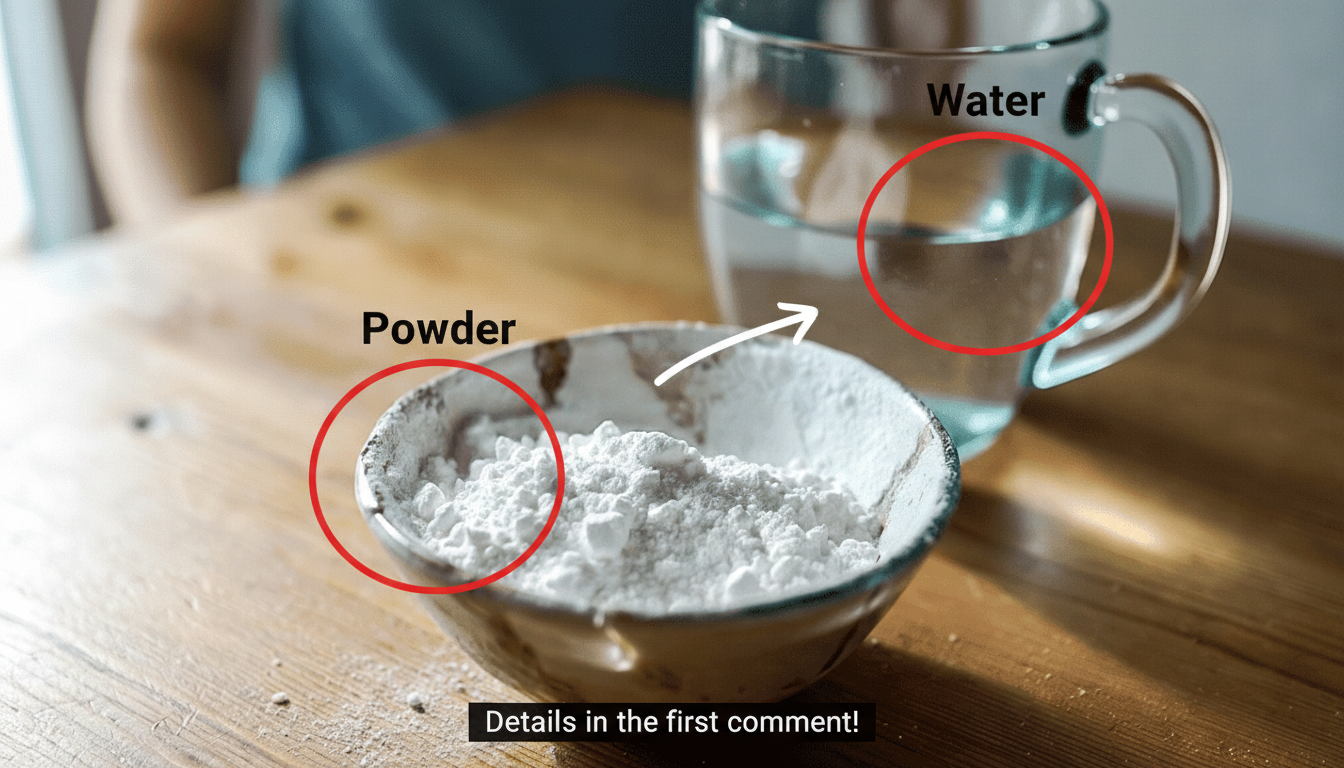
Simple Recipe for Baking Soda Water (For Occasional Use Only):
- Dissolve ½ teaspoon of pure baking soda in 4-8 ounces (approximately half a glass) of cool water.
- Stir thoroughly until the powder is completely dissolved.
- Sip the mixture slowly after meals, only when needed for discomfort.
- Important Safety Notes: Do not exceed ½ teaspoon per dose. Limit intake to no more than a few times a day. Discontinue use immediately if you experience bloating, excessive gas, or increased discomfort. This remedy is strictly for short-term, infrequent relief and should not be used for daily or chronic digestive management.
2. Enhancing Exercise Performance and Reducing Muscle Fatigue
Athletes sometimes strategically use baking soda to help buffer the buildup of acidity in muscles during periods of intense physical exertion. Research, including comprehensive meta-analyses, indicates that sodium bicarbonate supplementation may improve endurance, particularly in high-intensity activities lasting between 1 to 7 minutes, such as sprinting or competitive cycling. A review highlighted modest performance improvements achieved by delaying the onset of fatigue caused by lactic acid accumulation.
Typical dosages for this application range from 0.2 to 0.3 grams per kilogram of body weight, usually consumed 60-90 minutes before exercise. It is often taken with carbohydrates to help mitigate potential stomach upset.
Practical Tip: If considering this application, begin with a very low dose to assess tolerance. Always consult with a healthcare professional or sports physician beforehand, especially if you have existing health conditions, particularly blood pressure concerns, due to the sodium content of baking soda.
3. Supporting Improved Oral Health Routines
Baking soda’s mild abrasive quality and inherent alkaline nature contribute positively to oral hygiene. It can help neutralize acids in the mouth, which are produced by bacteria, and support cleaner teeth. Evidence from the Journal of the American Dental Association suggests that when incorporated into toothpaste or mouth rinses, it effectively reduces plaque acidity, combats harmful bacteria, and may play a role in preventing gingivitis.