 By admin
 As we navigate life past the age of 40, our bodies often begin to communicate in new, subtle ways. What might seem like minor annoyances—such as persistent dry skin, changes in nail appearance, or an unusual level of fatigue—are frequently more than just signs of aging. These seemingly small shifts can be crucial indicators that your body requires attention and support. Dismissing these messages can lead to more significant health challenges down the line. The empowering truth is that by understanding these bodily cues and responding proactively, you can take charge of your long-term health with greater confidence. And, as you’ll discover at the end of this article, there’s a simple, overarching daily habit that can significantly enhance your overall well-being.
Why Your Body’s Warning Signs Intensify After 40
The transition into your 40s brings about natural physiological changes. Metabolism tends to slow, hormone levels can fluctuate, and the efficiency of nutrient absorption may alter. Reputable health organizations, including the National Institute on Aging, highlight how these age-related transformations can impact everything from skin elasticity and circulatory health to nail strength and sustained energy levels. Crucially, these visible external changes often serve as windows into deeper internal dynamics—reflecting aspects like hydration status, circulatory efficiency, nutritional balance, stress burden, and fundamental lifestyle choices. Let’s delve into six essential body warning signs you should never overlook once you’re over 40, along with practical steps you can take.
1. Persistent, Severely Dry, or Scaly Skin
While some degree of skin dryness is a common aspect of aging, when your skin becomes chronically rough, flaky, or cracked despite consistent moisturizing efforts, it might signal underlying health concerns. This persistent dryness could indicate:
- Chronic dehydration
- Insufficient intake of essential healthy fats
- Potential thyroid gland underactivity
- Significant environmental stressors or exposure
Remember, your skin is often the first organ to reveal signs of internal nutritional imbalances or systemic issues.
Immediate Action Steps:
- Hydrate Intelligently: Increase your daily water intake, aiming for consistent hydration throughout the day rather than sporadic large volumes.
- Boost Healthy Fats: Incorporate omega-3 rich foods such as flaxseeds, walnuts, chia seeds, or fatty fish like salmon into your diet.
- Moisturize Effectively: Apply rich, fragrance-free moisturizers immediately after showering or bathing to lock in moisture.
- Moderate Shower Temperatures: Reduce the duration and heat of your showers, as excessively hot water can strip your skin of its natural protective oils.
If skin dryness becomes severe, spreads rapidly, or is accompanied by pain or itching, seeking a medical evaluation is highly advisable.
2. A Sudden Dark Vertical Stripe on a Nail
A dark vertical line on a fingernail or toenail, medically known as melanonychia, can sometimes be benign, particularly in individuals with naturally darker skin tones. However, certain characteristics warrant immediate professional assessment:
- The stripe appears suddenly and without obvious cause.
- Its width or color changes noticeably over time.
- It extends into the cuticle area (known as Hutchinson’s sign).
- It affects only a single nail, especially if it’s new.
The truth is, your nails can offer vital clues about circulatory health and pigment changes within your body that should not be overlooked.
When to Seek Professional Attention:
- The stripe visibly widens over a period of weeks or months.
- The affected nail becomes brittle, distorted, or separates from the nail bed.
- There is accompanying pain, bleeding, or inflammation around the nail.
This is not a call for alarm, but rather an encouragement for proactive awareness and timely medical consultation.
3. Significant Changes in Nail Texture or Brittleness
While mild vertical ridges or slightly thinner nails can be a normal part of aging after 40, pronounced or sudden alterations in nail texture and strength can be indicative of underlying health issues. Such changes might suggest:
- An iron deficiency or anemia
- Insufficient protein intake
- Subtle shifts in circulatory function
- The long-term impact of chronic stress
It’s fascinating to note that because nails grow slowly, changes you observe today often reflect your body’s internal state from approximately two to three months prior.
Simple Strategies for Nail Support:
- Boost Protein: Ensure adequate protein intake through sources like eggs, lean meats, fish, beans, and lentils.
- Consider Iron-Rich Foods: Incorporate foods high in iron, such as spinach, lentils, red meat, and fortified cereals (consult a doctor before supplementing).
- Avoid Harsh Chemicals: Protect your nails from strong cleaning agents and abrasive nail products.
- Maintain and Protect: Keep nails neatly trimmed and consider wearing gloves for tasks that could damage them.
If your nails begin to spoon inward (koilonychia), split severely, or break with unusual ease despite diligent care, a professional medical opinion is warranted.
4. Persistently Dry Palms and Unusually Cold Hands
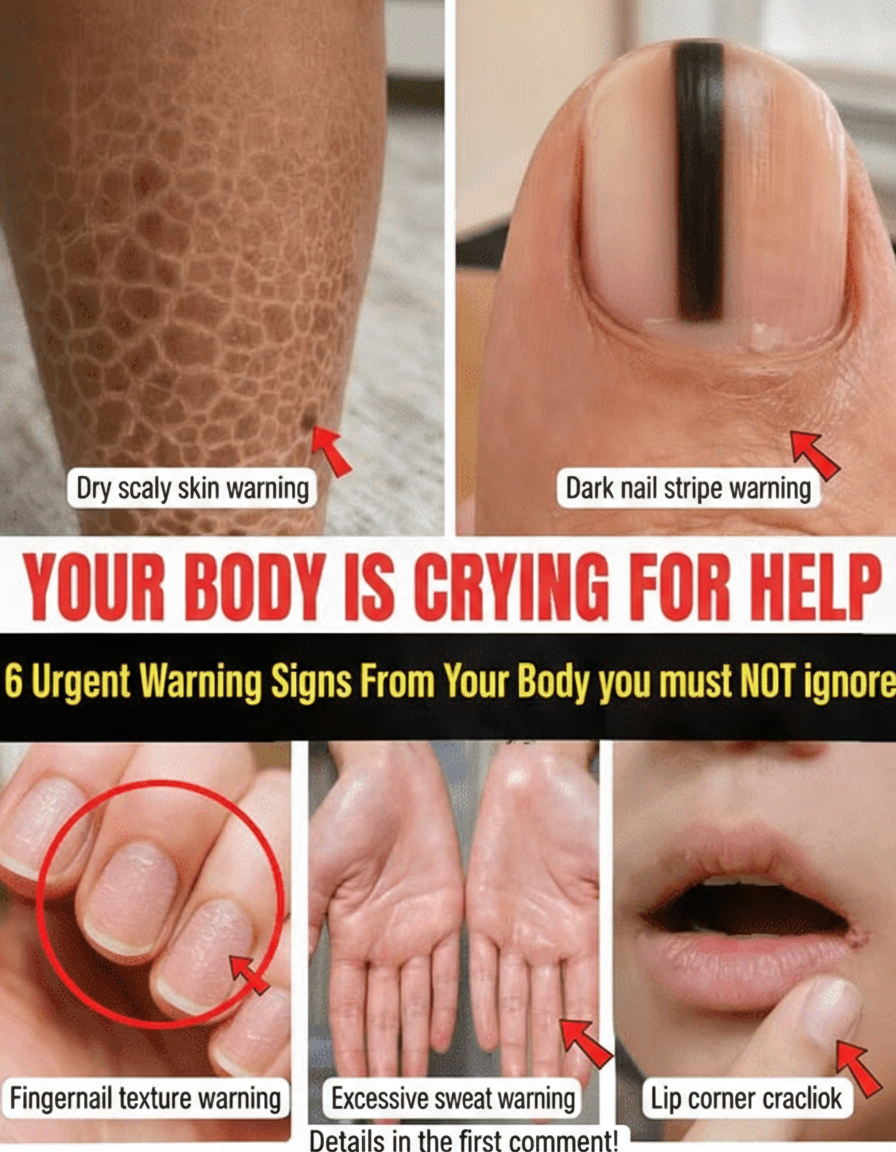
Experiencing cold hands can sometimes be a simple response to environmental temperature or minor circulatory variations. However, when persistently dry palms are combined with hands that feel unusually or constantly cold, it may point to more significant systemic issues:
- Inefficient peripheral circulation
- Hormonal imbalances, particularly during perimenopause or menopause
- Stress-induced changes in blood flow, as stress hormones can constrict blood vessels
Research underscores that prolonged periods of stress can indeed lead to physiological responses that impact blood flow to the extremities, contributing to coldness.
Natural Ways to Enhance Circulation:
- Gentle Hand Exercises: Perform simple movements like opening and closing your fists repeatedly (e.g., 20 times) several times a day.
- Regular Stretching: Integrate light stretching routines into your daily schedule.
- Moderate Physical Activity: Aim for 20-30 minutes of brisk walking or other moderate exercise most days of the week.
- Warm Compresses: Apply warm compresses or soak hands in warm water for temporary comfort and improved blood flow.
It’s vital to recognize that extended periods of sitting can significantly impair peripheral circulation, especially as we age.
5. Stubborn Cracks at the Corners of the Lips
Cracks that appear at the corners of your mouth, often referred to as angular cheilitis or angular fissures, might seem like a minor annoyance. Yet, persistent splitting and irritation in this area can be a symptom of several underlying conditions:
- Deficiencies in B vitamins (especially B2, B3, B6, B9, B12)
- Iron imbalance or anemia
- Chronic dehydration
- Frequent lip licking, which can exacerbate dryness and irritation
This condition can become more prevalent after 40 due to a natural reduction in skin elasticity and moisture retention.
Practical Daily Solutions:
- Consistent Hydration: Ensure you are drinking enough water throughout the day.
- Nutrient-Rich Diet: Include foods high in B vitamins, such as whole grains, eggs, leafy green vegetables, and legumes.
- Protective Lip Care: Apply a high-quality, protective lip balm (preferably fragrance-free) regularly, especially before bed.
- Avoid Irritants: If you notice irritation, consider reducing intake of highly acidic foods until the area heals.
If these cracks persist for longer than two weeks despite your best efforts, a medical evaluation is recommended to rule out underlying deficiencies or infections.
6. Persistent, Unexplained Fatigue That Feels “Different”
We all experience tiredness, but there’s a crucial distinction between normal daily fatigue and a persistent, profound sense of exhaustion that feels unusual or disproportionate to your activity levels. After 40, this kind of unrelenting fatigue could be linked to various factors:
- Poor Sleep Quality: Conditions like sleep apnea, insomnia, or restless leg syndrome can severely impact restorative sleep.
- Thyroid Dysfunction: An underactive thyroid (hypothyroidism) is a common cause of fatigue, especially in women over 40.
- Nutritional Deficiencies: Low levels of iron, Vitamin D, or B vitamins can significantly affect energy.
- Chronic Stress and Adrenal Fatigue: Prolonged psychological or physical stress can deplete your energy reserves.
- Early Signs of Chronic Conditions: Fatigue can be a symptom of conditions like diabetes, heart disease, or autoimmune disorders.
- Mental Health Concerns: Depression and anxiety often manifest as profound physical fatigue.
This isn’t about feeling tired after a long day; it’s about a deeper, pervasive weariness that doesn’t improve with rest.
Steps Towards Reclaiming Your Energy:
- Prioritize Sleep Hygiene: Establish a consistent sleep schedule, create a dark and quiet sleep environment, and avoid screens before bed.
- Manage Stress Effectively: Incorporate mindfulness, meditation, light exercise, or hobbies to reduce stress.
- Review Your Diet: Ensure a balanced intake of whole foods; consider discussing potential nutrient testing with your doctor.
- Stay Active: Regular, moderate physical activity can actually boost energy levels, even when you feel tired.
If persistent fatigue significantly impacts your daily life and doesn’t resolve with lifestyle adjustments, it’s essential to consult your healthcare provider for a thorough diagnosis and personalized advice.
Embrace Proactive Health: The Simple Daily Habit
Understanding and responding to these six body signals is a powerful step towards safeguarding your health beyond 40. The unifying habit that ties all these recommendations together and empowers you to maintain optimal long-term health is mindful self-care. This isn’t about grand gestures, but consistent, small actions: listening to your body, prioritizing adequate hydration, fueling yourself with nutrient-dense foods, ensuring quality sleep, managing stress, and engaging in regular, gentle movement. By integrating these practices into your daily routine, you create a foundation for resilience and vitality.
Your body is an incredible communicator. By paying close attention to its whispers, especially after 40, you can address potential issues early, make informed health decisions, and truly thrive for years to come. Don’t hesitate to consult with a healthcare professional if any of these signs cause concern; they are your best resource for personalized guidance on your journey to lifelong wellness.