 By admin
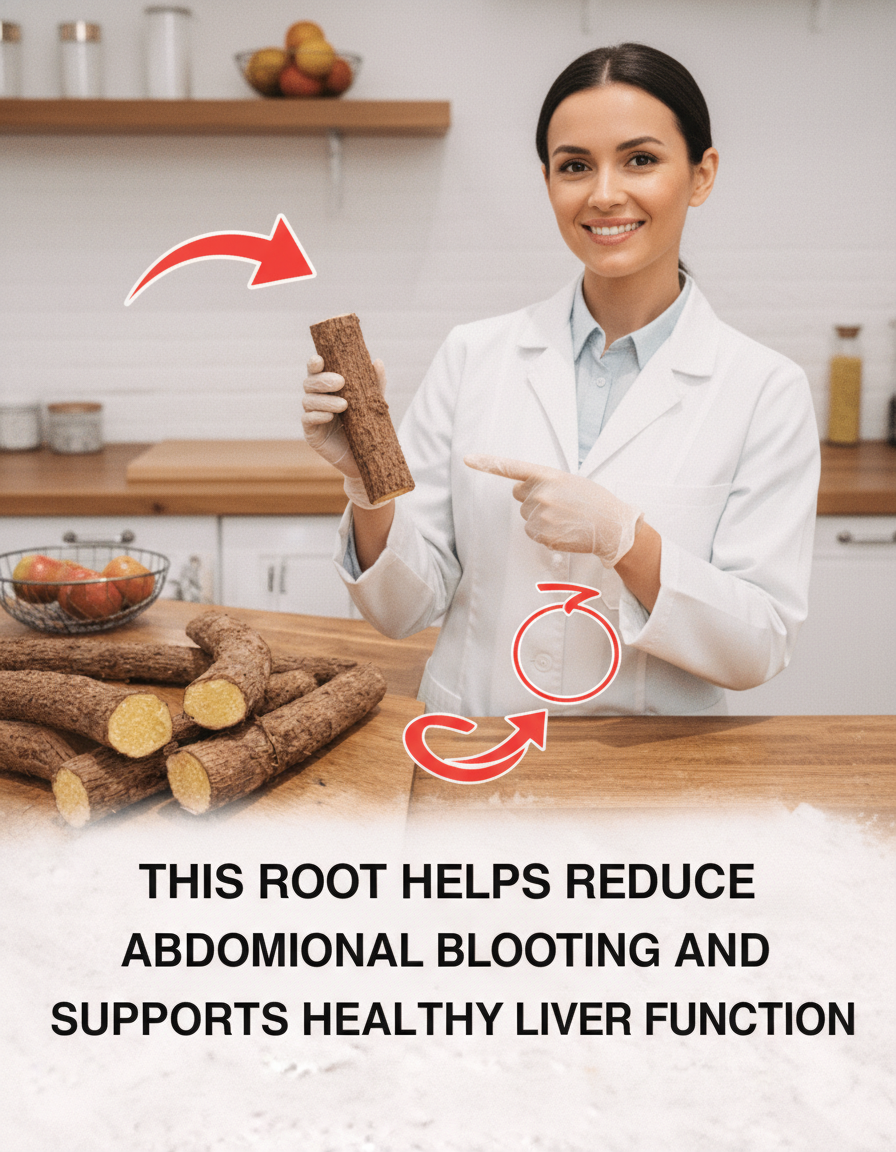
 In our modern, demanding lives, it’s common to experience occasional digestive upset, such as bloating, indigestion, or a general feeling of sluggishness. Many also seek natural ways to support optimal liver function, a vital organ for overall well-being. While these concerns can disrupt daily comfort and long-term health, nature often holds timeless solutions. Among these, licorice root, an herb revered across centuries, stands out for its profound traditional uses in promoting digestive and liver wellness. Join us as we explore the historical significance and emerging scientific understanding of this remarkable botanical, and discover a simple yet powerful combination that could transform your daily routine.
Understanding Licorice Root: A Botanical Overview
Scientifically identified as Glycyrrhiza glabra, licorice root originates from a hardy perennial herb indigenous to regions spanning Europe and Asia. Far more than just a sweet flavoring for confectionery and beverages, this venerable root boasts a rich history, deeply embedded in ancient healing traditions like Ayurveda and Traditional Chinese Medicine (TCM) for thousands of years. Its therapeutic prowess is attributed to a complex array of bioactive compounds, most notably glycyrrhizin and a spectrum of flavonoids. These potent constituents are the subject of growing interest in contemporary research, where they are being investigated for their diverse roles in supporting human health, including their well-documented antioxidant capabilities that help neutralize harmful free radicals within the body.
Key Potential Benefits of Licorice Root for Holistic Well-being
For generations, herbal practitioners and wellness seekers alike have revered licorice root for its multifaceted contributions to health. Drawing from both time-honored practices and a growing body of scientific inquiry, let’s delve into the specific areas where this powerful herb may offer significant support.
Promoting Liver Health and Detoxification
Within the realm of traditional herbal medicine, licorice root has long been a cornerstone ingredient in blends designed to foster optimal liver health. Modern research is beginning to corroborate these ancient insights, suggesting that the herb’s potent anti-inflammatory and antioxidant compounds may actively contribute to the liver’s intricate detoxification pathways. For instance, a notable study highlighted that supplementation with licorice root led to improvements in liver enzyme levels and a reduction in hepatic steatosis (fatty liver) among women diagnosed with non-alcoholic fatty liver disease. These findings resonate with countless anecdotal reports and historical texts praising licorice for its liver-supportive qualities. It’s important to note that while compounds like glycyrrhizin have demonstrated promising hepatoprotective effects in various preclinical (animal and cell) studies, further human clinical trials are essential to fully understand its scope. As always, any health regimen should be discussed with a qualified healthcare professional.
Enhancing Digestive Comfort and Function
The use of licorice root to alleviate various digestive discomforts dates back millennia. It is traditionally believed to exert a soothing effect by forming a protective, gel-like layer over the stomach lining, thereby potentially shielding it from everyday irritants. Intriguingly, scientific investigations suggest that licorice may also play a role in optimizing digestive processes by stimulating bile production, which is crucial for efficient fat breakdown and nutrient absorption. A comprehensive review further underscored licorice’s efficacy in addressing gastrointestinal ailments, including peptic ulcers, by promoting increased mucus secretion and mitigating inflammation within the gut. Key mechanisms contributing to its digestive benefits include:
- Gastric Protection: Its demulcent properties are thought to coat and protect the delicate lining of the stomach and esophagus, offering relief.
- Optimized Digestion: By encouraging bile flow, licorice can facilitate more effective digestion and absorption of dietary fats.
- Anti-Inflammatory Support: Its active compounds contribute to reducing inflammation and oxidative stress throughout the gastrointestinal tract.
While several botanicals offer digestive benefits, licorice root distinguishes itself with its naturally sweet profile, making it a particularly palatable addition to herbal teas and infusions.
Broader Contributions to Overall Wellness
Beyond its well-regarded support for digestive and liver health, licorice root extends its benefits to various other aspects of well-being. Its rich antioxidant content helps to combat oxidative stress by neutralizing free radicals, thereby contributing to cellular health and overall vitality. Furthermore, traditional practices often involve combining licorice root with other beneficial ingredients like ginger or honey, aiming to amplify its therapeutic effects. Emerging preliminary research also hints at its potential involvement in immunoregulation – balancing the body’s immune responses – and exhibiting anti-fibrotic properties, which could be significant in preventing excessive tissue scarring. While these areas require more extensive clinical investigation, they underscore licorice root’s remarkable versatility as a foundational herb in holistic health strategies.
Safe and Effective Ways to Incorporate Licorice Root
Integrating the benefits of licorice root into your daily wellness routine can be both simple and rewarding. Here’s how to approach its use, starting with traditional methods and practical tips.
Traditional Preparations and Modern Forms
One of the most time-honored and gentle ways to consume licorice root is by preparing it as a soothing herbal tea. This method effectively extracts its beneficial compounds. Follow these simple steps to brew your own at home:
- Measure: Start with 1 to 2 teaspoons of dried, cut licorice root.
- Boil: Bring approximately 8 ounces (about 240ml) of fresh water to a boil.
- Simmer: Add the licorice root to the boiling water, then reduce heat and let it gently simmer for 5 to 10 minutes.
- Strain & Enjoy: Strain the liquid to remove the root pieces. Serve warm, optionally enhancing the natural sweetness with a hint of honey.
For those seeking convenience, licorice root is also readily available in various supplement forms, including capsules, powders, and liquid extracts. When opting for supplements, always adhere strictly to the dosage instructions provided on the product label and prioritize selecting high-quality products from reputable manufacturers to ensure purity and efficacy.
Practical Tips for Integrating Licorice Root
If you’re ready to explore the potential benefits of this remarkable herb, consider these actionable steps for safe and effective incorporation:
- Begin Gradually: Introduce licorice root slowly into your routine. Start with one cup of tea per day or the lowest recommended supplement dose to observe how your body responds.
- Strategic Combinations: Enhance its benefits by pairing it with complementary herbs. For instance, combining licorice root with ginger can amplify digestive comfort; simply simmer them together when brewing your tea for about 10 minutes.
- Monitor Your Experience: Maintain a simple journal to track your intake and any changes in how you feel over a week or two. This can help you understand its effects on your body.
- Professional Guidance is Key: Always consult with a healthcare professional or a qualified herbalist before starting any new herbal regimen, especially if you have existing health conditions, are pregnant or breastfeeding, or are taking other medications. Licorice root can interact with certain drugs and may not be suitable for everyone, particularly those with high blood pressure or kidney issues.
Embracing Ancient Wisdom for Modern Wellness
Licorice root, with its profound history and promising scientific backing, offers a compelling natural solution for enhancing digestive harmony and supporting liver vitality. From soothing discomfort to bolstering overall well-being with its antioxidant properties, its versatility is truly remarkable. Remember that “simple, unexpected combination” we hinted at earlier? It’s the synergistic blend of licorice root with ginger and a touch of honey. This age-old trio not only creates a delicious infusion but also provides a powerful boost for digestive comfort and immune support, embodying the very essence of holistic wellness.
As you consider integrating this ancient botanical into your life, do so mindfully and always with an eye toward personal well-being. Nature provides incredible tools; using them wisely, in consultation with health experts, ensures the best possible outcomes for your journey towards optimal health.