 By admin
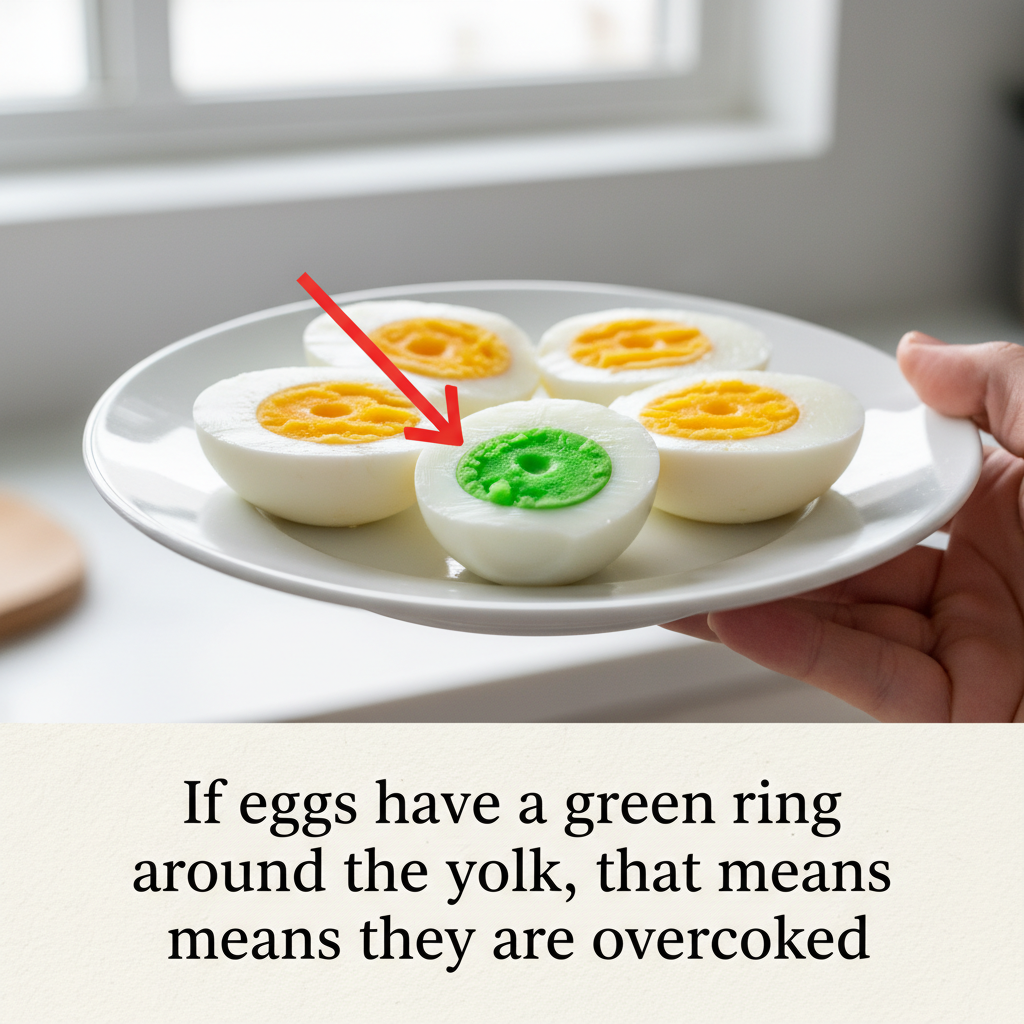
 Peeling a perfectly cooked hard-boiled egg only to discover an unsightly greenish-gray ring around the yolk can be a common kitchen disappointment. Whether you’re preparing a vibrant salad, a quick snack, or deviled eggs, this egg discoloration can make you question your culinary skills or even the egg’s freshness. The good news? This widespread phenomenon is neither a sign of spoilage nor a flaw in your cooking ability. Instead, it’s a straightforward chemical reaction with simple prevention methods. Stay with us to unlock the science behind this peculiar green ring around hard-boiled egg yolks and learn actionable tips for achieving consistently bright, golden yolks every time.
What Causes the Green Ring in Hard-Boiled Eggs? Unveiling the Science
That distinctive greenish or grayish hue isn’t an indicator that your egg has gone bad; rather, it’s a natural chemical process that occurs during cooking. This reaction primarily takes place at the interface where the egg white meets the yolk. Food science experts, including those at the American Egg Board, have extensively studied this phenomenon, providing a clear explanation that can empower you to avoid it altogether.
The Chemical Reaction: Iron and Sulfur’s Interaction
The core of this mystery lies in the interaction between two key components of an egg:
- Sulfur compounds: These are naturally present in the proteins of the egg white.
- Iron: The egg yolk is a rich source of iron.
When an egg is subjected to heat, several changes occur. The proteins in the egg white begin to denature, releasing hydrogen sulfide gas. This gas, seeking an escape, migrates towards the center of the egg. As it reaches the yolk, it encounters the iron. A chemical tango ensues: the hydrogen sulfide reacts with the iron to form ferrous sulfide. It is precisely this ferrous sulfide that creates the greenish-gray compound you observe. Research in food chemistry indicates that this reaction accelerates significantly at temperatures above 158°F (70°C).
Why Hard-Boiled Eggs Are More Prone to This Discoloration
While the chemical reaction is clear, understanding why it’s so common in hard-boiled eggs requires looking at the cooking process itself. Several factors contribute to the intensity of the green yolk hard-boiled eggs:
- Extended Heat Exposure: Hard-boiled eggs require a longer cooking duration to ensure the yolk is fully set. This prolonged exposure to heat provides ample time for the hydrogen sulfide gas to form and react with the iron, intensifying the ferrous sulfide production. In contrast, soft-boiled eggs, with their shorter cooking times, rarely exhibit this ring.
- High Cooking Temperatures: Boiling eggs vigorously can elevate the internal temperature too quickly and too high, speeding up the chemical reaction.
- Lack of Rapid Cooling: Even after removing eggs from the heat, residual warmth continues the cooking process. Without immediate cooling, the chemical reaction can persist, leading to a more pronounced ring.
- Egg Age and pH: Surprisingly, even the age of an egg plays a role. Older eggs tend to have a higher pH level, which can facilitate the release of sulfur from the egg whites, thus increasing the likelihood of the green ring. While very fresh eggs might be harder to peel, they could potentially reduce the discoloration if cooked correctly.
- Altitude: For those cooking at higher elevations, water boils at a lower temperature. This can necessitate longer cooking times to achieve the desired doneness, inadvertently increasing the chance of the green ring forming.
Culinary scientists confirm that these elements collectively contribute to the formation of the green ring. But imagine boiling eggs without this common hassle!
Your Ultimate Guide: How to Prevent the Green Ring on Hard-Boiled Eggs
Achieving consistently perfect, vibrant yellow yolks is simpler than you might think. By following these actionable hard-boiled egg tips, you can effectively prevent green ring eggs:
1. Start Smart: Egg Preparation
- Temperature Matters: If possible, start with eggs that are at room temperature. This helps prevent cracking and ensures more even cooking.
- Choose Wisely: While very fresh eggs are great for some dishes, slightly older eggs (about 1-2 weeks old) are often easier to peel once cooked, without significantly increasing the risk of a green ring if other steps are followed.
2. The Ideal Cooking Method
- Pot Setup: Place eggs in a single layer at the bottom of a pot. Overcrowding can lead to uneven cooking.
- Water Level: Cover the eggs with cold water by about one inch.
- Gentle Simmer, Not a Rolling Boil: Bring the water to a gentle simmer over medium heat. Avoid a full, vigorous boil, as this can cause eggs to crack and cook too rapidly at high temperatures, encouraging the ferrous sulfide reaction.
3. Precision Timing is Key
Accurate timing is crucial for avoiding overcooked eggs. Once the water reaches a gentle simmer, turn off the heat, cover the pot, and let the eggs sit in the hot water for the following durations:
- For large eggs (adjust for size or altitude):
- Soft-boiled: 4-6 minutes (for runny yolks)
- Medium-boiled: 7-9 minutes (for semi-firm yolks)
- Hard-boiled: 10-12 minutes (for fully set, bright yellow yolks)
Remove the eggs from the hot water immediately once the time is up. If cooking at higher elevations, you might need to add an extra minute or two to the cooking time.
4. The Crucial Cool-Down: The Ice Bath Technique
This step is often overlooked but is paramount for preventing the green ring:
- Prepare an Ice Bath: While your eggs are cooking, fill a large bowl with ice water.
- Immediate Transfer: As soon as the cooking time is complete, use a slotted spoon to transfer the eggs directly from the hot pot into the ice bath.
- Chill Thoroughly: Let the eggs sit in the ice bath for at least 5-10 minutes. This rapid cooling accomplishes two vital things: it immediately halts the cooking process, preventing further ferrous sulfide formation, and it causes the egg contents to contract, making them significantly easier to peel.
Additional Tips for Success
- Salt or Vinegar: Some home cooks suggest adding a pinch of salt or a splash of vinegar to the cooking water. While not scientifically proven to prevent the green ring, it can help prevent cracks from leaking egg white.
- Trust Your Timer: Always use a timer. Guessing can easily lead to overcooking.
- Experiment: Don’t be afraid to experiment with one or two eggs first to find the perfect timing for your stove and egg size.
Observe the stark difference when you apply these methods:
| Factor | With Green Ring (Common Mistakes) | Without Green Ring (Prevention Tips) |
|---|---|---|
| Cooking Heat | High, rolling boil | Gentle simmer, then off heat |
| Time | 15+ minutes or prolonged heat | 10-12 minutes for hard-boiled |
| Cooling | Air cool or slow cooling | Immediate ice bath (5-10 min) |
| Egg Age | Very fresh or very old | 1-2 weeks old (for easier peeling) |
| Result | Discolored, greenish-gray yolk | Bright yellow, perfectly cooked yolk |
Impact on Taste, Safety, and Nutrition: Is the Green Ring Safe to Eat?
One of the most common concerns regarding the green ring is its safety. Rest assured, the green ring on hard-boiled eggs is completely harmless. It does not indicate spoilage, the presence of bacteria, or any toxins. The egg’s flavor remains unaffected; eggs with a green ring taste exactly the same as those without it.
From a nutritional standpoint, the green ring is purely cosmetic. The egg’s essential nutrients, including protein, vitamins, and minerals, remain intact. While extreme overcooking might slightly diminish some heat-sensitive nutrients, the formation of ferrous sulfide itself doesn’t compromise the egg’s nutritional value. So, if you happen to encounter a green ring, feel free to enjoy your egg without any safety concerns. However, mastering the art of perfectly cooked eggs certainly enhances the overall culinary experience.
Mastering Your Hard-Boiled Eggs
Understanding the science behind the green ring empowers you to take control in the kitchen. By making a few simple adjustments to your cooking process – focusing on gentle heat, precise timing, and rapid cooling – you can consistently achieve hard-boiled eggs with vibrant, golden yolks. Say goodbye to the green ring and hello to perfectly cooked eggs every single time, ready to elevate any meal or snack!