 By admin
 The Viral Eggshell and Coffee Teeth Whitening Trend: Separating Fact from Fiction for a Brighter, Healthier Smile
A radiant smile can significantly boost confidence, yet the gradual yellowing of teeth—often caused by daily indulgences like coffee, tea, or highly pigmented foods—can leave many feeling self-conscious. While numerous expensive dental treatments and professional whitening products promise results, the appeal of quick, budget-friendly home remedies for teeth whitening remains strong. Recently, a peculiar DIY method involving crushed eggshell powder and coffee has taken the internet by storm, touted as a miraculous solution for achieving brighter teeth. But before you dive into this viral trend, it’s crucial to understand the science behind it, what truly works, and the potential dangers lurking in your kitchen cabinet.
Understanding Tooth Discoloration: Why Smiles Lose Their Luster
Before exploring any DIY teeth whitening hacks, it’s essential to grasp the fundamental reasons why our teeth change color over time. Tooth discoloration primarily stems from two categories: extrinsic (surface) stains and intrinsic (internal) discoloration.
Common Culprits Behind Yellow Teeth:
- Dietary Habits: Frequent consumption of dark-colored beverages like coffee, tea, red wine, and sodas, along with highly pigmented foods such as berries, soy sauce, and curries.
- Tobacco Use: Smoking or chewing tobacco products are significant contributors to stubborn yellow and brown stains.
- Aging: As we age, the outer layer of enamel naturally thins, revealing more of the yellowish dentin underneath.
- Poor Oral Hygiene: Inadequate brushing and flossing allow plaque and stain-causing particles to accumulate on the tooth surface.
- Medications & Health Conditions: Certain antibiotics (e.g., tetracycline), antihistamines, high blood pressure medications, or even specific mineral imbalances can affect tooth color.
The good news is that most everyday yellowing is due to surface stains on the enamel. This means that gentle, appropriate dental care and some whitening methods can effectively polish away these external marks. However, it’s vital to distinguish between effective, safe solutions and potentially harmful viral fads.
Deconstructing the Viral Eggshell and Coffee Whitening Method
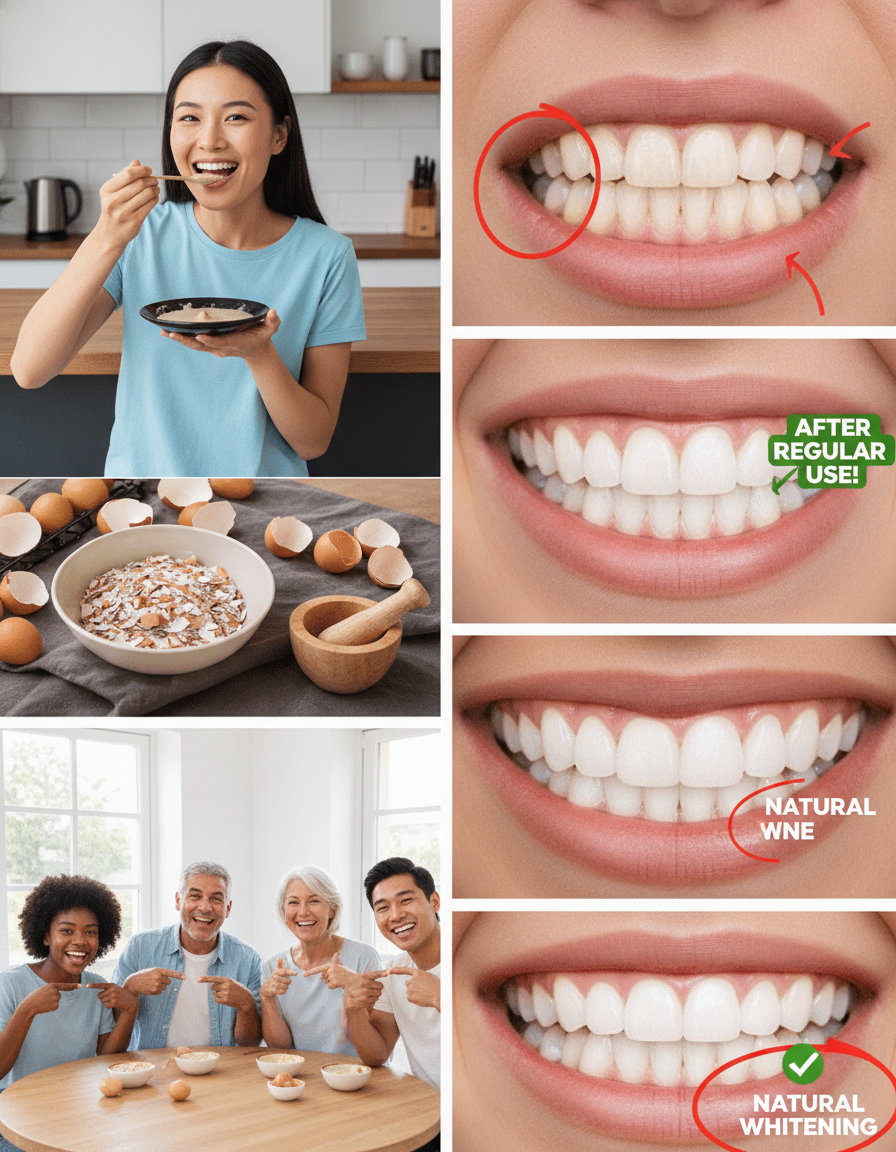
Online videos frequently showcase a mixture of finely ground eggshell powder and coffee grounds, often applied directly to the teeth for a brief period. The rationale promoted by these trends typically suggests:
- Eggshells as a Calcium Source: Eggshells are predominantly composed of calcium carbonate, a mineral sometimes found in commercial toothpaste formulations for its mild abrasive and remineralizing properties.
- Abrasive Action: The belief is that finely crushed eggshells act as a gentle abrasive, physically scrubbing away surface stains from the enamel.
However, there’s a significant oversight in this viral narrative: the inclusion of coffee. Ironically, coffee is a well-known contributor to tooth staining due to its chromogens and tannins. Therefore, incorporating coffee into a “whitening” mixture is counterintuitive and scientifically unsound, potentially adding to discoloration rather than reversing it. This highlights a critical disconnect between social media claims and actual dental science.
The Scientific Perspective: Eggshell Powder and Dental Health
While eggshells are indeed rich in calcium carbonate, the same mineral found in some polishing agents, the application in DIY oral care is far more complex than it appears. Some laboratory research has explored the potential of eggshell powder for remineralization and its role in supporting enamel health. For instance:
- Studies indicate that properly processed eggshell calcium might contribute to enamel mineral balance.
- Extremely fine, micronized particles could offer mild polishing effects when formulated correctly.
The crucial distinction, however, lies in the preparation. These scientific studies utilize meticulously purified, sterilized, and micronized eggshell powders—a stark contrast to simply crushing kitchen eggshells at home. Without proper processing, homemade eggshell fragments can be irregularly shaped, too coarse, and dangerously abrasive. Applying such material repeatedly can cause irreversible damage to tooth enamel over time, negating any perceived benefits. Therefore, while the mineral itself isn’t foreign to oral care, the DIY approach carries substantial risks if not executed under controlled, scientific conditions.
The Real Dangers of DIY Teeth Whitening Trends
It’s imperative to pause and consider the irreversible nature of enamel. Once worn away, this protective outer layer of your teeth does not regenerate. Employing overly abrasive, unregulated materials on your teeth, even with good intentions, can lead to serious and lasting dental problems:
- Enamel Erosion: Irreversible wearing down of the protective enamel layer, exposing the more sensitive dentin underneath.
- Increased Tooth Sensitivity: Damage to enamel can lead to heightened sensitivity to hot, cold, sweet, or acidic foods and drinks.
- Gum Irritation: Abrasive particles can irritate or damage gum tissue, potentially leading to gum recession or inflammation.
- Uneven Tooth Surfaces: Rough or uneven surfaces can make teeth more prone to future staining and plaque buildup.
- Compromised Oral Health: Weakened enamel increases the risk of cavities and other dental issues.
Dental professionals measure the abrasiveness of toothpastes using the Relative Dentin Abrasivity (RDA) scale, ensuring products remain within safe limits for daily use. Homemade concoctions, lacking any form of scientific testing or regulation, pose an unpredictable and potentially high risk to your dental health. When it comes to your smile, caution and professional advice are paramount.
Safe and Effective Ways to Achieve a Brighter Smile at Home
The good news is that achieving a brighter, healthier smile doesn’t require risky viral trends or exorbitant costs. Consistent, gentle oral care habits, endorsed by dental professionals, can gradually and safely improve the appearance of your teeth:
Gentle Oral Care Habits for Brighter Teeth:
- Brush Regularly: Brush twice daily for two minutes with a fluoride toothpaste and a soft-bristle toothbrush. Fluoride strengthens enamel and helps prevent stains.
- Floss Daily: Remove plaque and food particles between teeth to prevent stain accumulation and maintain overall oral hygiene.
- Minimize Staining Beverages: When consuming coffee, tea, or soda, consider drinking through a straw to reduce direct contact with tooth surfaces.
- Rinse After Meals: Swish your mouth with water after consuming staining foods or drinks to wash away residue.
- Regular Dental Check-ups: Schedule professional dental cleanings every six months. Your dentist can remove stubborn surface stains safely and provide personalized advice.
These seemingly simple steps, when practiced consistently, often yield the most noticeable and lasting improvements in tooth brightness and overall oral health. Small, sustainable lifestyle adjustments can dramatically reduce future stain buildup and protect your precious enamel.
Natural Ingredients for Mild Polishing (Use with Caution)
While extreme DIY mixtures should be avoided, some natural ingredients are occasionally discussed for their very mild polishing potential. However, their use requires extreme caution, moderation, and ideally, consultation with a dental professional:
- Baking Soda (Sodium Bicarbonate): Known for its mild abrasive properties, baking soda can help gently remove surface stains. It’s found in many toothpastes.
- Important Note: When used at home, baking soda should be applied sparingly, mixed with water, and not used excessively, as its abrasiveness, though mild, can still be damaging if overused or combined with harsh brushing. Always consult your dentist before incorporating new remedies into your routine.
Ultimately, a truly brighter smile comes from a combination of good oral hygiene practices, a balanced diet, and regular professional dental care. Don’t fall for viral fads that promise quick fixes at the expense of your long-term dental health. Your smile deserves scientifically-backed, safe, and effective care.