 By admin
 Many individuals often dismiss subtle shifts in their well-being—like persistent fatigue, unusual skin changes, or general discomfort—as mere consequences of daily stress or the natural aging process. However, these seemingly minor alterations can sometimes be your body’s way of signaling a deeper issue, such as the accumulation of excess fat in the liver. This condition, known as fatty liver disease, impacts a substantial segment of the global population, often without immediate, overt symptoms. Understanding these potential indicators early on is crucial; it empowers you to take proactive steps towards safeguarding your liver health and making informed lifestyle decisions. Let’s delve into the signs that warrant your attention.
Why Fatty Liver Disease Demands Our Attention
In contemporary society, fatty liver disease, now frequently referred to as Metabolic Dysfunction-Associated Steatotic Liver Disease (MASLD), is a growing health concern. Its prevalence is closely tied to modern dietary patterns and sedentary lifestyles. Organizations like the American Liver Foundation highlight that this condition could affect as many as 40% of American adults, many of whom remain unaware of their diagnosis. At its core, MASLD involves the excessive buildup of fat within liver cells, which can progressively impair the liver’s vital functions over time.
Beyond simple fat accumulation, scientific literature, including studies in journals like Hepatology, underscores significant connections between MASLD and other health challenges. These include insulin resistance, increased abdominal obesity, and diets characterized by high intake of refined sugars and processed foods. Coupled with a lack of physical activity, these factors collectively elevate the risk, making liver health a critical consideration for many navigating today’s fast-paced world. The pivotal takeaway is how profoundly our daily choices influence our liver’s well-being. Crucially, while MASLD can advance if left unmanaged, early recognition of its potential signs enables timely conversations with medical professionals. This proactive approach, fueled by awareness, forms the bedrock for preserving and enhancing liver health through targeted lifestyle modifications.
8 Potential Warning Signs of Fatty Liver
Identifying the early manifestations of fatty liver disease can be challenging, as its symptoms often overlap with those of other common ailments. Nevertheless, being attuned to certain signals your body sends can be invaluable. Drawing from clinical observations and extensive research, let’s examine eight indicators frequently linked to compromised liver health:
1. Persistent and Unexplained Fatigue
Feeling perpetually exhausted, even after adequate rest, is a widely cited symptom associated with liver dysfunction. The liver plays a central role in the body’s energy metabolism, and impaired function can disrupt this crucial process. If you find your energy levels consistently plummeting, especially during the afternoon, it warrants attention.
2. Spider Angiomas (Spider Veins) on the Skin
The appearance of small, web-like red or purple patterns on the skin, medically termed spider angiomas, can be a subtle but significant sign. Typically found on the face, chest, or arms, these formations arise from alterations in blood vessel function. Dermatology research frequently links them to underlying liver health issues. While often dismissed as purely cosmetic, these tiny vascular changes could indicate internal imbalances related to liver function.
3. Palmar Erythema (Reddened Palms)
When the palms of your hands appear unusually flushed or feel warmer than normal, this condition is known as palmar erythema. This phenomenon is often attributed to hormonal and vascular shifts that occur when the liver is under stress. Medical sources, including observations noted by institutions like the Mayo Clinic, commonly highlight this as a potential indicator in liver-related health assessments.
4. Persistent Abdominal Bloating or Discomfort
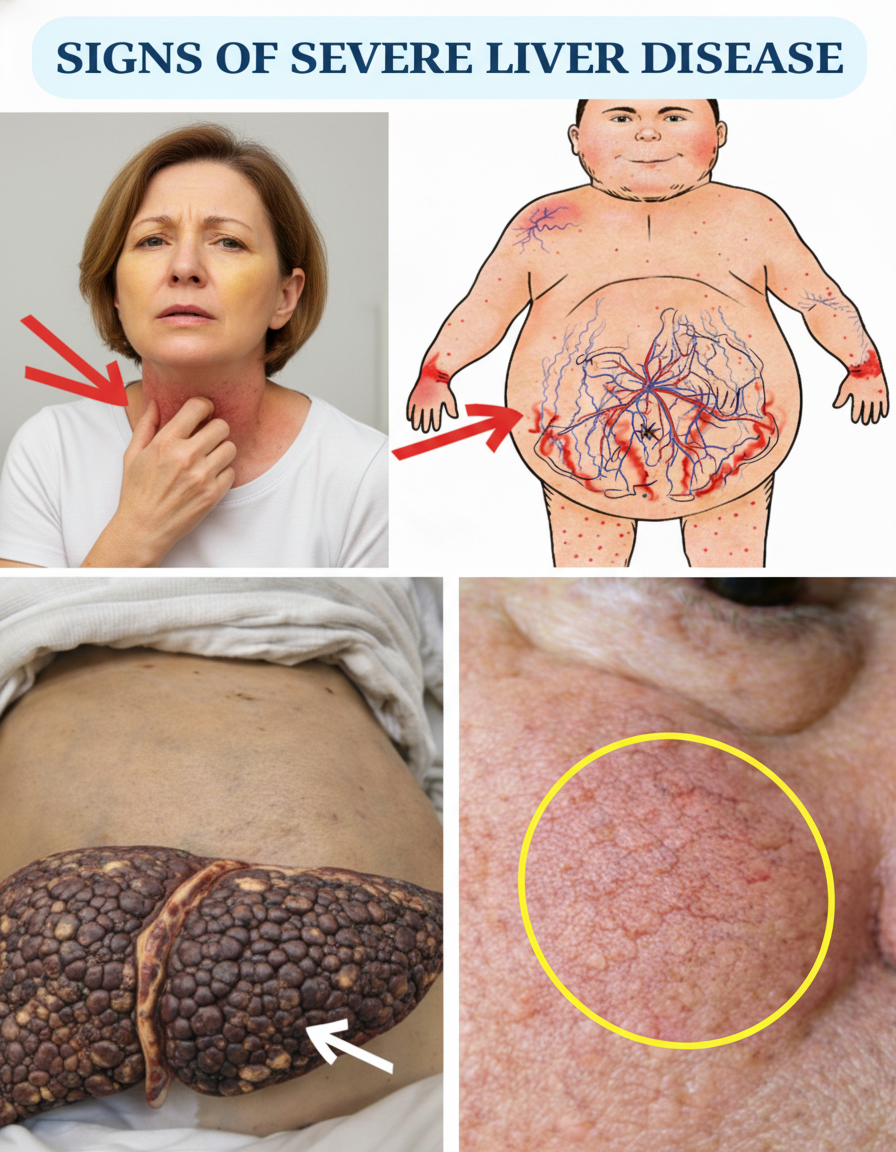
Experiencing unexplained swelling or a feeling of fullness in the abdominal region, particularly if it intensifies towards the evening, could signal fluid retention (ascites). Studies published in Gastroenterology journals suggest a correlation between such symptoms and more advanced stages of fat accumulation in the liver. It’s important to differentiate this from typical post-meal fullness; consistent or worsening bloating warrants closer examination.
5. Visible, Enlarged Abdominal Veins
The appearance of noticeably enlarged and prominent veins across the surface of the abdomen can be a significant visual cue. This occurs when normal blood flow through the liver is impeded, leading to blood being rerouted through alternative pathways. Medical literature on liver conditions often describes this as a more advanced and noticeable sign, indicating potential progression of liver issues.
6. Unexplained and Persistent Itchy Skin (Pruritus)
Chronic itching, especially when concentrated on the palms, soles of the feet, or spread across the body without an obvious dermatological cause, can be a symptom of impaired liver function. This sensation arises from the accumulation of bile salts or other waste products that the liver usually filters out. Research in the British Journal of Dermatology frequently identifies this as an important diagnostic clue. If intense itching significantly interferes with your sleep or daily routines, it’s advisable to seek medical evaluation.
7. Dull Ache in the Upper Right Abdomen or Back
A persistent, dull ache or sensation of tightness located beneath the right rib cage, or even radiating to the area between the shoulder blades, can sometimes originate from the liver. Given its anatomical position, inflammation or enlargement of the liver can manifest as referred pain in these regions. Clinical reviews, including those published in prestigious journals like The Lancet, have noted this association, linking it to various liver conditions.
8. Acanthosis Nigricans (Skin Darkening)
The development of dark, thickened, and velvety patches of skin, particularly noticeable on the neck, in the armpits, or around the groin, is known as acanthosis nigricans. This dermatological sign is strongly associated with insulin resistance, a significant underlying factor in the development and progression of fatty liver disease, as highlighted by extensive endocrine research. Its presence often serves as a visual indicator of metabolic dysregulation.
Taking Proactive Steps for Liver Health
While the signs of fatty liver disease can be subtle and easily mistaken for other issues, being aware of these eight potential indicators is a crucial first step toward proactive health management. Early detection and intervention are key to preventing the progression of MASLD and safeguarding your overall well-being. If you recognize several of these symptoms in yourself, or simply have concerns about your liver health, it is highly recommended to consult a healthcare professional. They can provide an accurate diagnosis through appropriate tests and guide you on the most effective lifestyle modifications and treatment strategies. Remember, prioritizing your liver health today can lead to a healthier, more energetic tomorrow.