 By admin
 Many individuals are drawn to simple household ingredients, such as baking soda, as part of their skincare regimen. They often hope for quick, effortless solutions to common skin concerns like a dull complexion or excessive oiliness. This do-it-yourself (DIY) approach has rapidly gained traction across social media platforms, yet it consistently prompts important questions from skincare professionals regarding its suitability for diverse skin types.
If you’re someone who explores at-home remedies, you might be curious whether this budget-friendly option can seamlessly integrate into your daily habits without causing adverse effects. But here’s an intriguing promise: by the time you reach the end of this comprehensive article, you’ll discover a crucial insight that could fundamentally shift your perspective on incorporating everyday ingredients into your personal skincare routine.
The Allure of DIY Skincare and Baking Soda’s Ascent
In recent years, the DIY beauty movement has experienced an unprecedented surge, with countless adults experimenting with common household staples to address issues like skin texture and shine. Baking soda, scientifically known as sodium bicarbonate, a versatile compound celebrated for its uses in baking and cleaning, has emerged as a popular choice for those seeking accessible and affordable alternatives to conventional skincare products.
Research from various surveys indicates that a substantial segment of the population has attempted such remedies, primarily motivated by their ease of access and perceived naturalness. However, there’s a critical nuance: what makes baking soda appealing to some – its inherently basic (alkaline) properties – is precisely the characteristic that ignites fervent debate among dermatologists. Studies and clinical observations suggest that while it might offer fleeting cosmetic effects, improper or prolonged use could lead to significant discomfort and long-term skin issues.
Deciphering Baking Soda: Its Composition and pH Impact
Baking soda, or sodium bicarbonate, is a fine, crystalline white powder characterized by its significantly alkaline pH, typically around 9. In stark contrast, your skin naturally maintains a slightly acidic pH, ranging between 4.5 and 5.5. This delicate acidic balance, often referred to as the ‘acid mantle,’ acts as your skin’s primary protective barrier against environmental aggressors, harmful bacteria, and moisture loss.
When baking soda is applied directly to the facial skin, its high alkalinity can dramatically disrupt this vital pH equilibrium. This fundamental pH difference is precisely why some proponents view it as a potential tool for exfoliation, while a multitude of experts caution vigorously about the potential for detrimental shifts in the skin’s natural, protective state. Dermatologists frequently underscore the paramount importance of preserving this natural pH balance within any skincare regimen to ensure optimal skin health and resilience.
Exploring the Touted Advantages of Baking Soda for Skin
One frequently discussed aspect of baking soda in skincare is its potential role in gentle exfoliation. The fine, granular texture of the powder, when mixed into a paste, can purportedly help to mechanically slough off surface dead skin cells and buildup, potentially leading to a noticeably smoother skin texture. Some users indeed report a quick refreshing sensation and a more refined appearance after initial use.
Another point of interest is its purported ability to absorb oil. Baking soda is known for its absorbent qualities, and when applied topically, it may temporarily soak up excess sebum, offering a desirable matte finish for individuals prone to oily skin. Laboratory observations have noted its absorbent capabilities, mirroring its function in other applications like deodorizers.
Furthermore, baking soda exhibits mild antibacterial properties. Research indicates that sodium bicarbonate can inhibit the growth of certain types of bacteria in controlled laboratory settings, a characteristic that intrigues those exploring natural options for managing skin impurities. Nevertheless, it’s crucial to understand that these potential effects are highly individual-dependent, and the frequency and method of application significantly dictate the outcome.
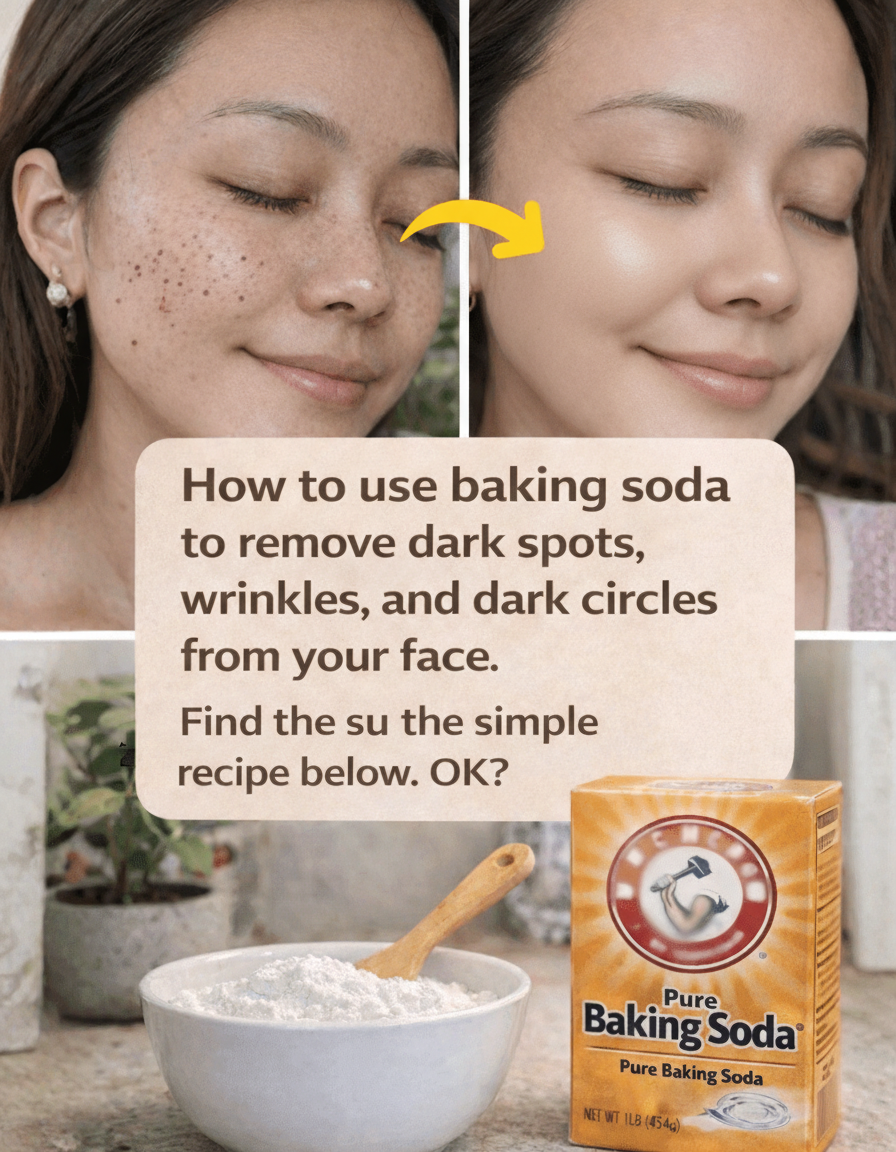
Key Potential Benefits at a Glance:
- Gentle Exfoliation: Offers a mild abrasive action to help remove superficial dead skin cells.
- Oil Control: Functions as a natural absorbent to reduce surface shine and excess sebum.
- Antibacterial Action: May contribute to maintaining skin surface cleanliness by inhibiting certain microbes.
Personal Journeys: Real-World Experiences with Baking Soda
Consider the experience of Sarah, a 34-year-old professional who decided to try a baking soda paste on her oily T-zone. Initially, she observed a cleaner, fresher sensation. However, after consistent, regular use, she began to experience an uncomfortable tightness and dryness. Her narrative closely mirrors many accounts shared online, where initial positive perceptions often give way to unexpected adjustments or adverse reactions.
Similarly, Jake, 28, incorporated baking soda into his routine specifically to combat midday facial shine. While it provided a brief, temporary mattifying effect, he ultimately found himself switching to alternative methods for more sustained and reliable results. These anecdotal accounts powerfully illustrate the highly varied and often inconsistent outcomes associated with using baking soda on the face. And here’s an interesting twist: Mia, 41, discovered that applying it very sparingly and in combination with other gentle ingredients worked better for her, underscoring the critical need for extreme personalization and caution.
The Perils and Pitfalls: Dermatological Concerns
A primary concern among dermatologists is the significant risk of pH disruption. Applying a highly alkaline substance like baking soda can severely compromise the skin’s delicate acid mantle, potentially leading to chronic dryness, heightened sensitivity, and increased vulnerability to environmental damage or infections over time. Dermatological reviews consistently emphasize the importance of vigilant monitoring for such changes.
Moreover, overuse of baking soda can readily cause irritation, particularly for individuals with already sensitive skin types. Its abrasive nature, if not handled with extreme gentleness, can result in microscopic tears in the skin’s surface, leading to redness, inflammation, and a compromised skin barrier. Surveys conducted within skincare communities frequently report a higher incidence of these issues with frequent or aggressive application.
Furthermore, there is a risk of rebound effects, where the skin might overcompensate for the dryness or irritation by producing even more oil, potentially leading to increased breakouts or a worsening of existing conditions. Experts vehemently advise caution, noting that what might initially present as minor discomfort can quickly escalate into more serious and persistent skin problems. A crucial reality check: not everyone will experience these adverse reactions, but a thorough awareness of these potential risks is absolutely paramount for anyone considering this DIY hack.
Weighing the Pros and Cons: A Balanced Perspective
When evaluating the use of baking soda for facial skincare, it becomes evident that while it offers perceived immediate benefits like exfoliation and oil absorption, these often come at a significant potential cost to long-term skin health. The temporary glow or matte finish might be achieved by compromising the skin’s natural protective barrier, leading to increased vulnerability and sensitivity.
Ultimately, the “surprising tip” promised at the beginning of this article is a simple yet profound one: prioritize your skin’s natural balance and health above all else. While the allure of quick, inexpensive DIY solutions is strong, informed choices, professional guidance, and a gentle, consistent approach are far more beneficial for maintaining a truly healthy, radiant complexion. Always conduct a patch test before applying any new ingredient to your face, and when in doubt, consult a board-certified dermatologist who can provide personalized, evidence-based advice tailored to your unique skin needs.
”
}
“`