 By admin
 Unmasking Peripheral Artery Disease: 7 Crucial Signs of Blocked Leg Arteries You Can’t Afford to Ignore
Peripheral artery disease (PAD) impacts millions globally, often progressing silently without individuals realizing its severity until complications emerge. Many adults experience subtle alterations in their legs and feet, frequently dismissed as normal aging or minor discomfort. These seemingly insignificant signs can, in fact, indicate restricted blood flow due to narrowed arteries, significantly elevating the risk of more serious health issues if left unaddressed. Recognizing these signals early empowers you to initiate timely conversations with your healthcare provider. What if these everyday clues are your body’s urgent plea for attention? Continue reading to discover the key warning signs, supported by medical insights, along with practical steps for your next course of action.
Why Blocked Leg Arteries Are a Silent Concern, Especially After 40
As we advance in age, particularly past 40, arteries can undergo narrowing due to the accumulation of plaque, thereby impeding adequate blood flow to the lower extremities. Research indicates that PAD affects a substantial portion of adults over 60, with numerous cases remaining undiagnosed because symptoms appear mild or are mistakenly attributed to the natural aging process. This diminished circulation translates to muscles and tissues receiving insufficient oxygen and vital nutrients during physical activity. Over time, this can lead to persistent discomfort, delayed wound healing, and an increased likelihood of developing broader cardiovascular problems. The encouraging news, however, is that heightened awareness and early consultations with a physician can profoundly improve outcomes. Consider this: How often do your legs feel unusually fatigued or uncomfortable during routine walks? Identifying such patterns is the crucial first step toward better vascular health.
Warning Sign #1: Intermittent Claudication – Recurrent Leg Pain with Activity
The most widely recognized symptom of PAD is leg pain or cramping that consistently arises during walking or exercise and reliably subsides with rest. This discomfort is typically felt in the calves, thighs, or buttocks. It occurs because active muscles demand a greater supply of oxygen-rich blood, but narrowed arteries are unable to meet this increased need. Extensive research, including insights from leading health organizations, consistently identifies this as a hallmark pattern of PAD. The pain usually resolves within minutes of stopping the activity, only to reappear once movement resumes. Many describe it as a tight, burning, or aching sensation that compels them to pause. If this description resonates with you, meticulously tracking how far you can walk before discomfort sets in can provide invaluable information for your doctor.
Warning Sign #2: Weak or Absent Pulses in the Legs and Feet
Healthy arteries produce strong, easily palpable pulses in specific locations, such as behind the knee or on the top of the foot. When these pulses feel faint, thready, or are entirely absent during a medical examination, it strongly suggests restricted blood flow. Physicians utilize straightforward manual checks or advanced tools like Doppler ultrasound to accurately assess arterial health. Reputable medical sources emphasize that diminished pulses frequently manifest even before a patient experiences noticeable pain. While self-checking can be inconsistent, a professional evaluation offers a precise and revealing diagnosis.
Warning Sign #3: Noticeable Changes in Skin Color and Temperature
An affected leg or foot might appear unusually pale when elevated, or conversely, take on a bluish or purplish tint when hanging down. Furthermore, the impaired limb often feels noticeably cooler to the touch compared to the unaffected side. These distinct visual and sensory differences are direct consequences of chronic, inadequate blood supply to the skin and underlying tissues. Medical reviews consistently link these changes to ongoing oxygen deprivation. Make it a practice to compare both legs in good lighting; any persistent disparities warrant immediate medical attention. By continuing to read, you’re already taking a proactive step towards understanding your vascular health.
Warning Sign #4: Slow-Healing Wounds or Sores on Legs and Feet
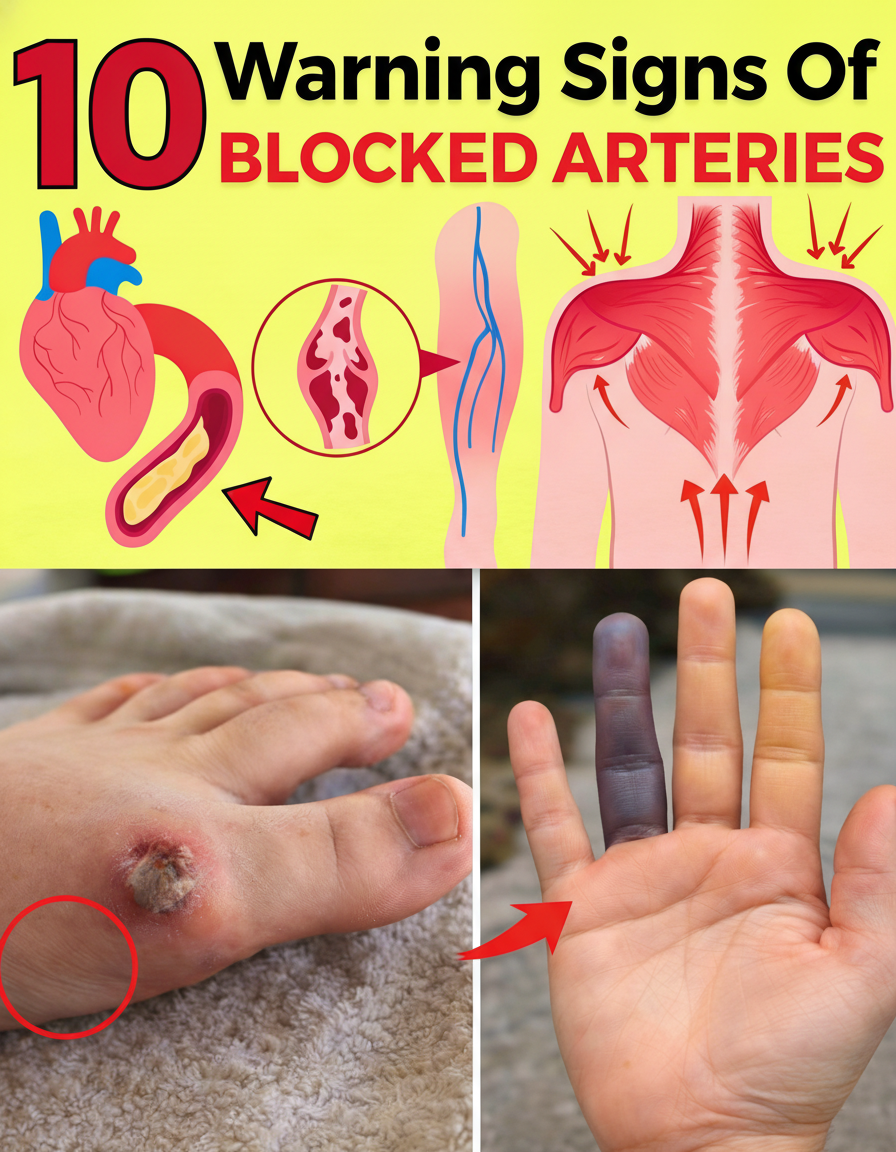
Minor cuts, blisters, or sores on the lower extremities that persist for weeks without normal healing are a significant cause for concern. Poor circulation severely compromises the delivery of essential oxygen, vital nutrients, and crucial immune support necessary for tissue repair and recovery. This issue is particularly critical for individuals with diabetes, where the risks of non-healing wounds are substantially elevated. Major health organizations underscore that any non-healing wound on the legs or feet demands prompt and thorough medical evaluation. If you have a sore that has lasted more than two weeks, discussing it with a healthcare provider is imperative.
We’ve explored four vital indicators so far. As we move forward, consider the overall health of your legs and feet. Are you ready for the remaining crucial signs?
Warning Sign #5: Shiny, Hairless Skin on the Legs
A notable sign of compromised circulation is when leg hair below the knee begins to thin or disappear entirely, while the skin itself becomes unusually smooth, taut, and shiny. This transformation occurs because reduced blood flow negatively impacts the health and function of hair follicles and overall skin texture. Vascular studies consistently report this change in a significant percentage of moderate PAD cases. A side-by-side comparison of both legs often makes this difference strikingly clear.
Warning Sign #6: Erectile Dysfunction in Men as an Early Indicator
For men, the onset of new or worsening erectile dysfunction (ED) can serve as an important early clue for systemic arterial issues, including PAD. Since achieving and maintaining an erection relies heavily on healthy blood flow, arterial narrowing in the pelvic region can directly impair this function. While ED can have various causes, its presence, especially when accompanied by other symptoms of vascular disease, warrants a comprehensive evaluation of circulatory health. Recognizing this connection can prompt earlier diagnosis and intervention for underlying arterial blockages.
Warning Sign #7: Numbness, Weakness, or Heaviness in the Legs or Feet
Beyond pain, individuals with PAD may experience sensations of numbness, weakness, or a persistent feeling of heaviness in their legs or feet. This can manifest as a “pins and needles” sensation, a general lack of strength, or a profound tiredness in the lower limbs, even at rest. These symptoms arise from nerve damage or inadequate oxygen supply to the muscles and nerves due to restricted blood flow. Such sensations can significantly impact mobility and daily activities, making it difficult to walk or perform routine tasks. If you consistently experience these unexplained neurological or muscular symptoms in your lower extremities, it’s a critical sign that should be promptly discussed with a medical professional.
Recognizing these seven warning signs of blocked arteries in your legs and feet is crucial for protecting your long-term health. Peripheral artery disease is a serious condition, but early detection and appropriate management can significantly reduce the risk of severe complications, including heart attack, stroke, and limb amputation. Don’t dismiss subtle discomfort or changes as merely “getting older.” Listen to your body’s signals and consult your doctor if any of these signs resonate with your experience. Your vascular health is vital; take the proactive steps necessary to maintain it.