 By admin
 In our increasingly digital world, prolonged screen time has become a common part of daily life for many, frequently resulting in issues such as eye strain, dryness, and general discomfort. This constant visual engagement can hinder productivity and quality of life, leading a growing number of people to explore natural remedies for maintaining optimal eye health. Across various cultures, traditional herbal medicine has historically highlighted plants believed to offer therapeutic benefits for the eyes. Among these, big-leaf milkweed (Calotropis gigantea) stands out for its intriguing past in certain folk practices. However, its story is multifaceted, intertwining centuries-old applications with significant modern safety warnings. Join us as we explore a balanced perspective on this remarkable herb, delving into its traditional significance, scientific understanding, and crucial precautions.
What Is Big-Leaf Milkweed?
Known botanically as Calotropis gigantea, big-leaf milkweed is a robust shrub originating from tropical and subtropical regions of Asia and Africa. A member of the Apocynaceae family, it is easily identifiable by its sizable, distinctive gray-green leaves and vibrant clusters of lavender or white flowers. A defining characteristic of this plant is the milky latex sap it exudes, a substance that has played a central role in numerous traditional medicinal preparations throughout history.
Thriving in warm climates, this resilient herb can reach impressive heights of up to 15 feet in its native environments. It frequently colonizes disturbed areas such as wastelands, roadsides, and arid landscapes, making it a readily available resource for many rural populations. Beyond its scientific designation, it’s also recognized by evocative common names like “crown flower” or “giant milkweed” in various local contexts.
For centuries, the latex, leaves, and roots of Calotropis gigantea have been integral to diverse folk medicine traditions. Its importance, however, transcends purely medicinal applications, extending into cultural and religious spheres where its striking flowers are often incorporated into ceremonial rituals in certain communities.
Traditional Applications of Big-Leaf Milkweed in Eye Care
Within esteemed traditional medical systems, such as Ayurveda, big-leaf milkweed has been historically documented for its perceived efficacy in managing various ocular conditions. Ancient texts often describe the use of different plant components in remedies formulated to alleviate inflammation or combat infections affecting the delicate eye area. For example, the plant’s distinctive latex sap was, in some cultures, cautiously applied in diluted forms to calm minor irritations, while its broad leaves were often crushed to create poultices for external application around the eyes, intended to provide soothing relief.
Across communities in India and parts of Africa, Calotropis gigantea found its way into traditional herbal eye washes or drops, where practitioners believed it contributed to overall eye comfort and well-being. The inherent properties of the sap were thought to possess cleansing capabilities and help mitigate discomfort arising from environmental exposures.
Here’s a summary of its traditional uses related to eye care:
- Diluted Latex as an Eye Rinse: In some folk practices, the milky latex was carefully diluted and used as an external eye wash.
- Leaf Poultices: Crushed leaves were prepared and applied topically around the eyes, intended for their calming and soothing attributes.
- Root Decoctions: The plant’s roots were sometimes boiled to produce infusions, consumed for general systemic wellness, which was believed to indirectly support eye health.
It’s important to note that while abundant in its natural habitat, sustainable harvesting practices are crucial to prevent overexploitation and protect local ecosystems. However, to truly understand the herb’s implications for modern eye care, we must now turn our attention to what scientific research has revealed.
Scientific Scrutiny: What Modern Research Says About Big-Leaf Milkweed and Eye Health
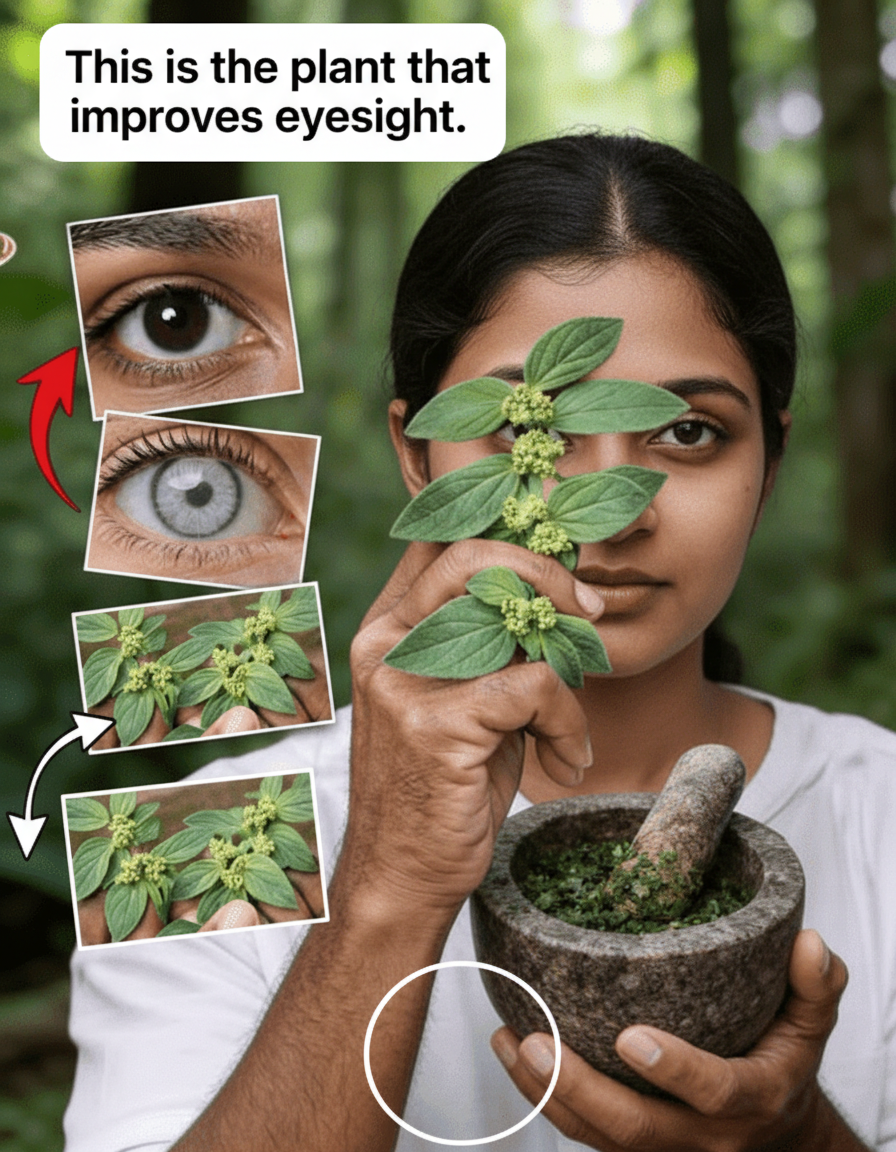
Moving beyond historical accounts, contemporary scientific research has delved into the chemical composition of big-leaf milkweed, uncovering a complex array of compounds that present both promising potential and significant caveats. Investigations have identified cardenolides and other bioactive constituents within the plant, which, in controlled laboratory environments, have demonstrated anti-inflammatory properties.
Specifically concerning eye health, certain studies have attempted to evaluate the traditional assertions surrounding Calotropis gigantea. Early findings indicate potential antimicrobial activity against various bacterial strains, which could, in theory, support its historical application in treating eye infections. Nevertheless, it is critical to emphasize that these observations largely stem from in vitro (test tube) experiments or animal studies, and not from comprehensive, large-scale human clinical trials.
For instance, one notable study suggested that the plant’s latex might exhibit effects comparable to conventional anti-inflammatory agents, though results across different investigations have not always been consistent. Researchers consistently stress that while traditional wisdom offers compelling pointers regarding its use in eye care, robust clinical studies involving human subjects are indispensable to definitively confirm any therapeutic benefits or supportive roles for ocular health. Presently, much of the supportive data relies on ethnobotanical surveys documenting traditional practices rather than evidence from strictly controlled scientific experiments. Consequently, while big-leaf milkweed undeniably holds a significant place in cultural heritage, its direct efficacy and safety for modern eye health applications remain subjects requiring extensive further scientific inquiry.
Important Safety Considerations and Precautions
A thorough examination of big-leaf milkweed would be incomplete without a critical discussion of its potential risks and the necessary precautions. The plant’s distinctive milky latex sap is widely recognized as highly irritant and can lead to severe adverse reactions if not handled with extreme care. There are numerous documented instances where inadvertent exposure to this sap, particularly in the eye area, has resulted in profound discomfort, characterized by swelling, redness, and even temporary alterations in vision.
Scientific investigations have further corroborated these concerns, revealing that the sap can directly impact the cornea, potentially causing conditions like edema (swelling) or other acute inflammatory responses, especially in individuals with heightened sensitivity. Given these documented hazards, health experts unequivocally advise utmost caution, particularly when dealing with the plant near the eyes.
To significantly mitigate these risks, consider the following essential precautions:
- Never Apply Directly to Eyes: Under no circumstances should big-leaf milkweed sap, or any part of the plant, be applied directly to the eyes, even in diluted forms.
- Wear Protective Gear: Always wear gloves and eye protection when handling any part of the Calotropis gigantea plant to prevent accidental contact.
- Avoid Skin Contact: Exercise caution to prevent the sap from touching your skin, and wash hands thoroughly with soap and water immediately after handling the plant.
- Keep Away from Children and Pets: Ensure the plant is inaccessible to children and pets, who may be more susceptible to its toxic effects.
- Consult a Healthcare Professional: Before considering any traditional remedies involving big-leaf milkweed, especially for internal use or application near sensitive areas like the eyes, always consult with a qualified healthcare provider or a knowledgeable herbalist.
- Discontinue Use if Irritation Occurs: If any adverse reaction or irritation develops after contact, seek immediate medical attention.
The traditional use of an herb does not automatically equate to its safety or efficacy by modern standards. Prioritizing safety and informed decision-making is paramount.
In conclusion, big-leaf milkweed (Calotropis gigantea) presents a compelling dichotomy: a plant deeply woven into the fabric of traditional herbal medicine for centuries, particularly for eye-related ailments, yet one that carries significant safety warnings in the context of modern understanding. While its historical applications highlight a rich ethnobotanical heritage and suggest intriguing therapeutic potential, current scientific evidence is largely preliminary and underscores the need for rigorous clinical validation. For anyone considering natural approaches to eye health, it is imperative to remember that traditional practices, while valuable, must be approached with caution and always in consultation with qualified medical professionals. Prioritizing safety and evidence-based care remains the cornerstone of responsible health management.