 By admin
 Castor Oil: Unveiling Ancient Wellness Secrets and Modern Natural Applications
In a world often seeking complex and costly solutions for everyday ailments, nature frequently holds the most potent and accessible answers. Many invaluable plants flourish unnoticed, sometimes even discarded, mistaken for mere weeds. Yet, for generations, communities have turned to ancient wisdom and botanical treasures to address common discomforts like joint stiffness, parched skin, or sluggish digestion. This is precisely where the remarkable castor bean plant (Ricinus communis) steps into the spotlight.
For millennia, castor oil, derived from the seeds of this unassuming plant, has been a cornerstone of diverse wellness practices across continents. Its multifaceted applications in daily health and beauty routines are a testament to its enduring power. Surprisingly, many individuals encounter this plant regularly without ever realizing the profound practical benefits encased within its spiky seed pods. However, a critical aspect often overlooked in general guides pertains to the proper preparation and safe application of castor oil – vital insights we will thoroughly explore later in this comprehensive article.
What Is the Castor Bean Plant?
The Ricinus communis, commonly known as the castor bean plant, is a rapidly growing botanical marvel characterized by its distinctive large, palmate (star-shaped) leaves and prominent, spiny seed pods. This resilient plant boasts a rich history, having been cultivated for thousands of years across Africa, Asia, and the Mediterranean regions.
The true gem of the plant lies within its seeds, which are carefully processed to extract castor oil – a viscous, pale yellow vegetable oil. Historically, this oil has been a staple in traditional skincare, therapeutic massage, and a variety of household wellness practices due to its unique properties. However, it is absolutely essential to understand a critical distinction:
- Raw castor seeds are highly toxic if ingested and should never be consumed.
- The castor oil found in commercial products is specifically processed and purified to remove toxic compounds like ricin.
- Only properly prepared and reputable castor oil, intended for therapeutic use, should ever be applied or considered.
Agricultural and botanical studies consistently underscore castor oil’s widespread historical use in cosmetics, various topical applications, and traditional healing remedies, largely attributed to its distinctive fatty acid profile.
Why Castor Oil Is So Unique
What truly sets castor oil apart in the realm of natural oils is its remarkable chemical composition. At its core, this extraordinary oil is distinguished by a rare and potent compound: ricinoleic acid. This unique omega-9 unsaturated fatty acid constitutes an impressive 85–90% of the oil’s total content.
Extensive research into plant oils consistently highlights ricinoleic acid as the primary contributor to castor oil’s distinctive and beneficial properties. These key characteristics include:
- Exceptional Thickness and Deep Moisturization: Its rich consistency allows it to penetrate deeply, providing intense hydration.
- Natural Stability: Unlike many other plant oils, castor oil boasts superior natural stability, resisting oxidation effectively.
- Versatility in Personal Care: It is a favored ingredient in a myriad of skin and hair care formulations.
- Therapeutic Massage Base: Widely employed in traditional massage and body care practices for its soothing qualities.
- Foundation of Natural Beauty: A popular choice for those embracing holistic and natural beauty regimens.
Beyond these individual attributes, it is the synergistic blend of these qualities and its remarkable adaptability that has cemented castor oil’s esteemed reputation within traditional wellness systems across diverse global cultures.
Traditional Uses of Castor Oil in Everyday Life
Throughout history, castor oil has been an integral component of various natural wellness traditions, cherished for its efficacy and versatility. Below are some of the most prevalent historical and contemporary applications:
1. Deep Skin Hydration and Protection
Renowned for its emollient properties, castor oil is frequently utilized as an intensive skin moisturizer, particularly due to its viscous texture. Individuals commonly apply a small amount to areas prone to dryness, such as:
- Elbows
- Knees
- Heels
- Hands
By creating a protective barrier on the skin’s surface, it helps to effectively lock in moisture, promoting softer and more supple skin.
2. Nourishing Hair and Scalp Care
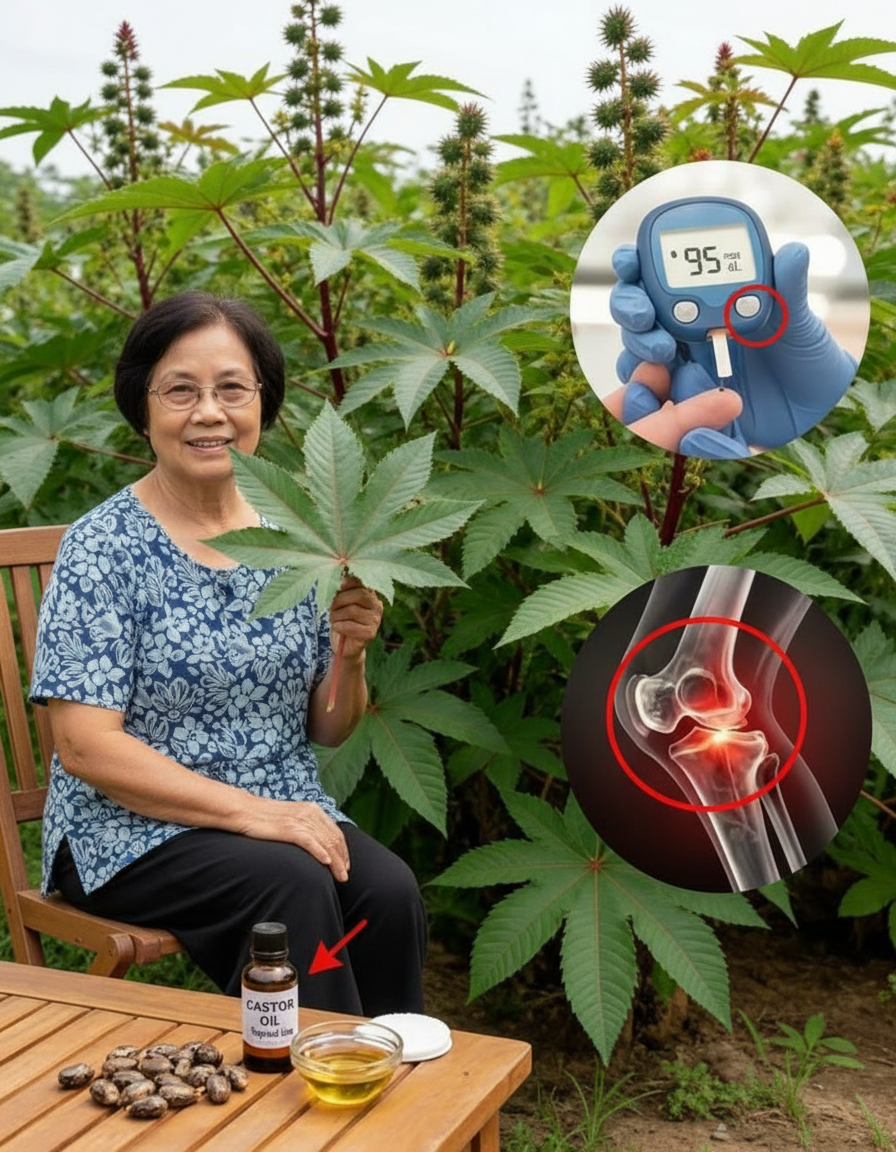
Castor oil has experienced a surge in popularity within natural hair care routines. Many users incorporate it to support scalp health and hydration, believing it contributes to the overall vitality and appearance of their hair. Common application methods include:
- Blending with lighter carrier oils, such as coconut oil, for easier application.
- Gently massaging directly into the scalp to stimulate circulation and moisturize.
- Using it as an enriching hair mask, often left on for a period before washing.
Some dermatological and cosmetic research suggests that plant-derived oils can play a beneficial role in maintaining optimal scalp moisture and enhancing hair luster.
3. Soothing Massage for Muscle and Joint Comfort
The application of castor oil packs has been a time-honored practice in traditional wellness systems, particularly for promoting relaxation and easing discomfort. The general method involves:
- Soaking a clean cloth or flannel in warm castor oil.
- Placing the oil-soaked cloth directly onto the skin over the desired area.
- Covering the pack with a warm compress (e.g., a hot water bottle or heating pad) to enhance absorption and comfort.
This holistic approach is often integrated into relaxation routines or therapeutic massage sessions. The combined effect of the warmth and the oil is frequently reported to induce a profound soothing and comforting sensation.
4. Historical Digestive Wellness Practices
Historically, castor oil was occasionally employed internally, in very minute quantities, within certain traditional digestive wellness practices. However, it is absolutely paramount that contemporary health professionals unequivocally advise that any internal use of castor oil must only proceed under strict professional medical supervision. This stringent recommendation is due to the critical importance of precise dosage, potential side effects, and overall safety considerations for internal consumption.
Nutritional Composition of Castor Oil
To further appreciate the unique qualities of castor oil, it is beneficial to examine its primary chemical constituents. The table below provides a simplified overview of the key fatty acids that give this oil its distinctive texture, stability, and therapeutic properties:
| Component | Approximate Amount |
|---|---|
| Ricinoleic Acid | 85–90% |
| Oleic Acid | 3–5% |
| Linoleic Acid | 3–4% |
| Stearic Acid | 1–2% |
| Palmitic Acid | <1% |
These specific fatty acids collectively contribute to the oil’s characteristic viscosity, stability, and its renowned skin-conditioning benefits. Research published in prominent botanical and cosmetic science journals consistently underscores ricinoleic acid as the primary defining feature and active compound within castor oil.
Simple Castor Oil Recipes You Can Try at Home
Having explored the historical significance and unique properties of castor oil, let’s now delve into practical applications. Here are a few straightforward, traditional routines that you can easily integrate into your personal wellness habits:
Recipe 1: DIY Castor Oil Skin Moisturizer
(Please note: The original content for this recipe was truncated. A typical DIY castor oil skin moisturizer involves blending a small amount of pure castor oil with a lighter carrier oil like jojoba or almond oil, then applying sparingly to dry skin patches for intense hydration.)