 By admin
 Pumpkin seeds, derived from Cucurbita pepo, are far more than just a seasonal treat. These small, nutrient-dense powerhouses are gaining significant traction for their potential benefits in supporting men’s overall wellness, particularly concerning urinary and prostate health. Packed with vital nutrients like zinc, magnesium, and essential fatty acids, they offer a natural approach to well-being.
Zinc, a mineral found abundantly in pumpkin seeds, plays an especially critical role, as it is highly concentrated in the prostate gland and essential for its optimal functioning. The scientific community’s interest in pumpkin seeds for this purpose isn’t new; traditional herbal medicine, including European monographs, has long recognized their efficacy in soothing an irritable bladder and addressing mild urinary discomfort often associated with benign prostate enlargement.
Numerous studies have investigated the effects of whole pumpkin seeds or their extracts in men experiencing lower urinary tract symptoms (LUTS), a common issue frequently linked to benign prostatic hyperplasia (BPH). Research findings consistently point towards improvements in symptom scores, such as the International Prostate Symptom Score (IPSS), which evaluates key indicators like urinary frequency, urgency, and flow rate. Significantly, these observed benefits appear to stem from compounds that may help relax bladder muscles and foster a healthy inflammatory response, without exerting strong hormonal effects.
Unpacking the Research: Pumpkin Seeds and Urinary Comfort
A growing body of clinical evidence supports the use of pumpkin seeds and their extracts for men managing moderate urinary symptoms. One notable example is the 12-month, randomized GRANU trial, which involved over 1,400 men. Participants who regularly consumed pumpkin seeds experienced a statistically significant reduction in their IPSS scores compared to the placebo group, indicating improved overall urinary symptom management and enhanced comfort.
Furthermore, another trial focusing on pumpkin seed oil demonstrated remarkable reductions in signs of an overactive bladder, specifically decreasing daytime urinary frequency, urgency, and nighttime awakenings (nocturia). A pilot study utilizing an oil-free hydroethanolic extract reported approximately a 30% improvement in symptoms after just 12 weeks, accompanied by better quality-of-life scores and reduced post-void residual urine volume.
Comprehensive pooled analyses from various placebo-controlled studies have consistently identified advantages in symptom relief for individuals with mild to moderate urinary concerns. These studies also highlight the excellent tolerability of pumpkin seeds over extended periods, sometimes up to 24 months. An additional and often appreciated finding is that these interventions typically show no major adverse impact on sexual function, a crucial consideration for many men.
Important note: While promising, individual results can vary, and not every trial yields identical outcomes. Pumpkin seeds are intended to support general urinary wellness and should not be considered a replacement for professional medical care or prescribed treatments.
Nutritional Profile: Why These Green Seeds Stand Out
Let’s delve into the rich nutritional composition that makes pumpkin seeds so beneficial for men’s health:
- High in Zinc: Essential for prostate tissue health, a small handful of pumpkin seeds can provide a substantial portion of your daily zinc requirements, directly supporting prostate function.
- Abundant in Healthy Fats: These seeds are a great source of beneficial fats, including omega-6 fatty acids like linoleic acid, which may play a role in modulating bladder muscle tone and overall urinary tract function.
- Rich in Plant Sterols and Antioxidants: Pumpkin seeds contain powerful plant compounds and antioxidants that help the body combat everyday oxidative stress, promoting cellular health throughout the body, including the prostate.
- Magnesium and Other Minerals: Magnesium is crucial for muscle relaxation and nerve function, both of which are vital for healthy bladder control and comfort. Along with other trace minerals, it contributes to overall physiological balance.
Unlike many processed snacks, pumpkin seeds offer exceptional nutrient density without the addition of sugars, unhealthy fats, or artificial ingredients, making them a superior choice for a health-conscious diet.
Integrating Pumpkin Seeds into Your Daily Routine: A Simple Approach
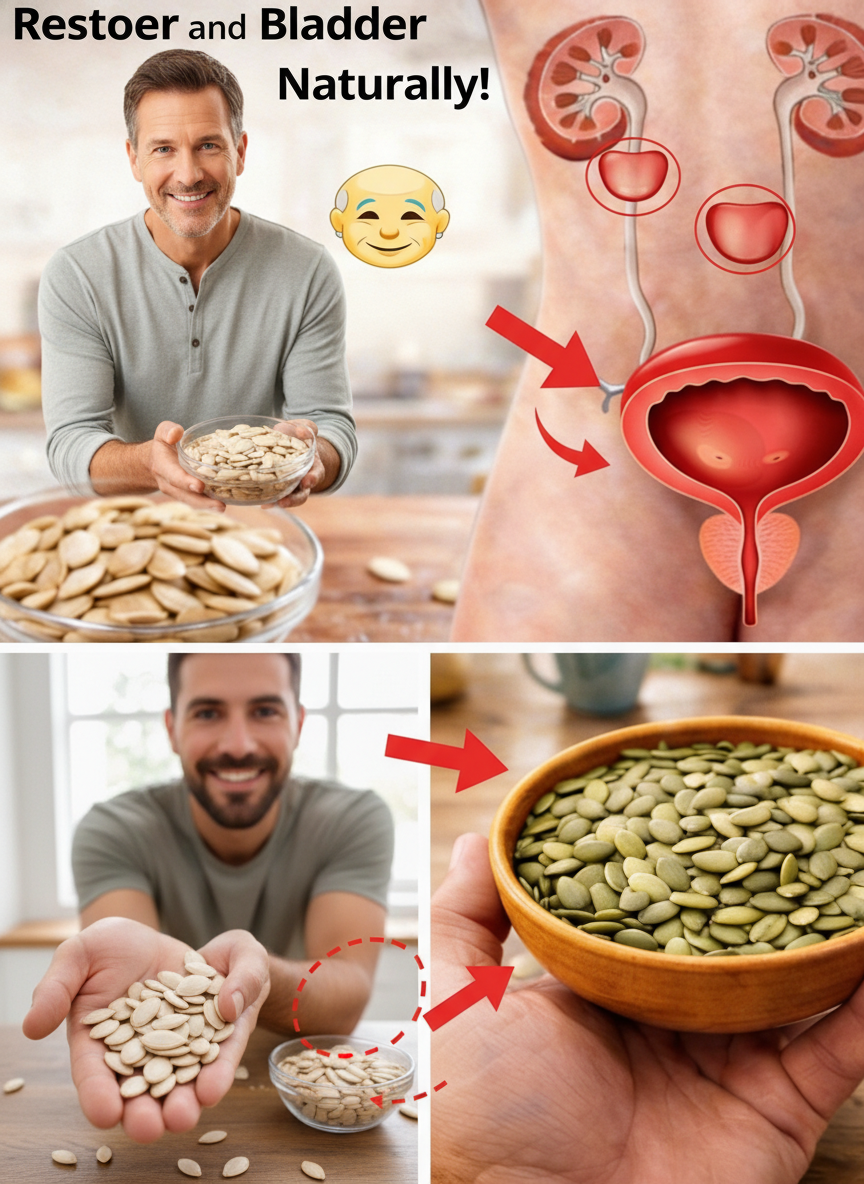
Considering this natural option for supporting your urinary health? Here’s a straightforward, everyday method inspired by time-honored traditions, often lauded for its ease and effectiveness:
Step-by-Step Guide for Daily Enjoyment:
- Choose Your Seeds: Opt for raw or lightly roasted, unsalted pumpkin seeds (also known as pepitas).
- Daily Serving: Aim for approximately 1–2 handfuls (roughly 1–2 ounces or 30-60 grams) per day.
- Versatile Snacking: Enjoy them plain as a convenient snack, or effortlessly sprinkle them over salads, yogurt, oatmeal, or soups to add a delightful crunch and nutritional boost.
- Gentle Toasting (Optional): For an enhanced flavor, lightly toast them at home. Spread the seeds on a baking sheet and bake at 300°F (150°C) for 10–15 minutes, stirring occasionally. This method brings out their nutty taste without the need for added oils.
- Embrace Consistency: For noticeable benefits in urinary comfort, make daily intake a consistent habit over several weeks.
- Holistic Support: Complement your pumpkin seed intake with adequate hydration and targeted pelvic floor exercises for comprehensive urinary wellness.
- Storage Tip: Keep your pumpkin seeds fresh by storing them in an airtight container in a cool, dark place.
Many individuals prefer this food-based approach over supplements, finding it a more enjoyable, natural, and seamless addition to their daily meals and lifestyle.
Beyond Urinary Support: Broader Health Advantages
While celebrated for their urinary and prostate benefits, pumpkin seeds offer a spectrum of additional health advantages:
- Heart Health: Their healthy fats, including monounsaturated and polyunsaturated fats, contribute to cardiovascular well-being.
- Improved Sleep: Pumpkin seeds contain tryptophan, an amino acid that the body converts into serotonin and then melatonin, the “sleep hormone,” potentially aiding in more restful sleep.
- Digestive Health: Rich in dietary fiber, they support healthy digestion and promote bowel regularity.
Men participating in studies frequently report feeling more rested and energetic due to fewer nighttime interruptions caused by urinary urgency, underscoring the holistic impact of improved urinary comfort on overall quality of life.
Important Considerations Before Incorporating
While generally safe for most individuals, it’s wise to be mindful of a few points when introducing pumpkin seeds into your diet:
- Gradual Introduction: If you’re new to consuming pumpkin seeds, start with a smaller quantity and gradually increase it, as some individuals may initially experience mild stomach upset.
- Medical Consultations: If you are currently taking blood thinners or diuretics, it is advisable to consult with your doctor. Pumpkin seeds contain Vitamin K, which can influence blood clotting, and they possess mild natural diuretic properties.
- Quality Matters: Always prioritize high-quality, organic pumpkin seeds whenever possible to ensure purity and avoid unwanted additives or pesticides.
Conclusion: A Simple, Natural Step Towards Proactive Wellness
For men seeking gentle, food-based strategies to proactively support bladder and prostate comfort as they age, pumpkin seeds present an accessible and appealing option. Backed by both long-standing traditional use and a growing body of scientific research, incorporating a handful of these nutritious seeds into your daily diet could be a small yet impactful step towards enhancing your overall urinary wellness and quality of life. Embrace this natural ally and experience the potential benefits firsthand.
”
}
“`