 By admin
 Effective Home Remedies: 5 Natural Ways to Alleviate Swollen Legs and Feet
Introduction: Understanding Leg and Foot Swelling
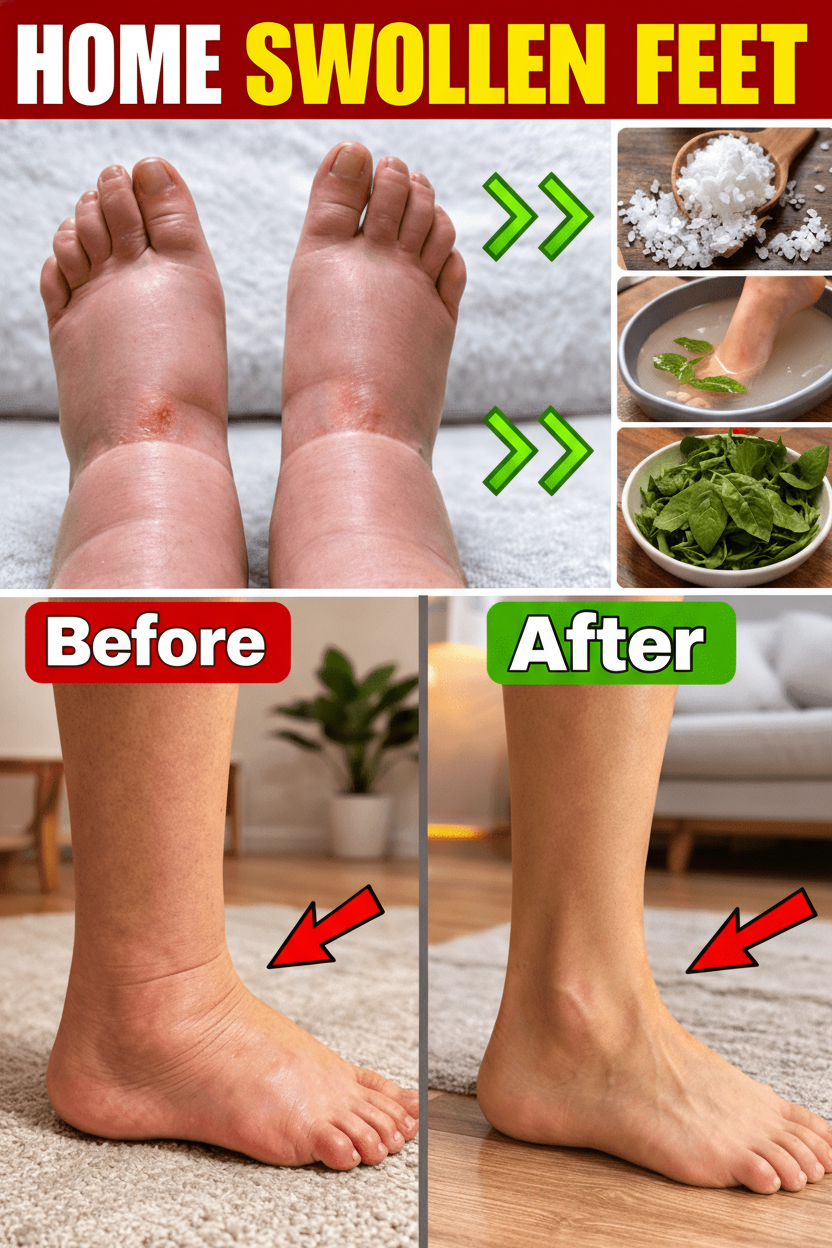
Experiencing swollen legs and feet, medically known as edema, is a common complaint that can stem from various factors. These can range from temporary issues like prolonged standing or minor injury to more chronic conditions such as poor circulation, fluid retention, or even underlying health concerns like heart disease, kidney disease, or diabetes. While it’s crucial to seek professional medical advice to identify and address the root cause of persistent or severe swelling, several natural strategies can be employed at home to help reduce discomfort and promote relief.
This article will delve into 5 accessible and natural remedies that may help diminish swelling in your legs and feet, enhancing your overall comfort. These methods are straightforward to implement and can easily be integrated into your daily routine.
1. Elevate Your Legs ⬆️
One of the most straightforward yet highly effective methods for reducing swelling in your lower extremities is through leg elevation. This simple act leverages gravity to improve blood flow and minimize fluid accumulation.
How It Helps:
- Enhances Blood Circulation: By positioning your legs above heart level, gravity assists in drawing accumulated fluid back towards your torso, easing pressure on your feet and ankles.
- Reduces Fluid Retention: This elevated posture facilitates the drainage of excess fluids from the lower limbs, providing significant relief from swelling.
How to Do It:
- Recline comfortably and prop your legs up on cushions or a raised surface, ensuring they are positioned higher than your heart.
- Aim for sessions of 15-30 minutes, several times throughout the day. Integrating this practice while relaxing, such as watching television or reading, can make it a comfortable part of your daily regimen.
2. Epsom Salt Foot Soak 🛁
A warm Epsom salt foot soak offers a wonderfully soothing and natural approach to mitigating swelling in your feet and legs. Epsom salt, composed of magnesium sulfate, possesses notable anti-inflammatory properties that can help alleviate swelling and ease associated discomfort.
How It Helps:
- Calms Inflammation: The magnesium content aids in muscle relaxation and actively reduces inflammation, which is particularly beneficial if fluid buildup is causing pain or stiffness.
- Boosts Circulation: Soaking your feet in warm water infused with Epsom salts can also stimulate better blood flow, potentially reducing swelling.
How to Do It:
- Fill a basin with warm water, ensuring there’s enough to comfortably cover your feet or lower legs.
- Add 1-2 cups of Epsom salts to the water and stir until fully dissolved.
- Immerse your feet or legs for 15-20 minutes.
- After soaking, gently massage the affected area to further encourage circulation.
3. Stay Hydrated 💧
It might seem counterintuitive, but consistent and ample water intake can play a crucial role in reducing leg and foot swelling. Dehydration signals your body to retain more fluid, which can ironically exacerbate swelling.
How It Helps:
- Eliminates Toxins: Proper hydration encourages your kidneys to effectively flush out surplus sodium and waste products from your system, thereby preventing excessive fluid retention.
- Supports Healthy Circulation: Maintaining adequate hydration is vital for optimal blood flow, which in turn reduces the likelihood of swelling.
How to Do It:
- Strive to drink at least 8 cups (approximately 64 oz) of water daily, increasing your intake if you are physically active or in hot climates.
- Consider infusing your water with refreshing elements like mint or cucumber to make it more appealing and encourage consistent hydration.
4. Apply Cold Compresses ❄️
Applying a cold compress can offer immediate relief from the discomfort and swelling caused by edema. Cold therapy works by reducing inflammation and constricting blood vessels, while also providing a numbing effect that can help you relax.
How It Helps:
- Decreases Swelling: The cold temperature prompts blood vessels to constrict, which helps to prevent further fluid accumulation in the affected area.
- Alleviates Pain: Cold compresses effectively numb the swollen region, helping to ease soreness, throbbing, or general discomfort in swollen feet and legs.
How to Do It:
- Wrap ice packs or a dedicated cold compress in a clean cloth or towel.
- Apply the wrapped compress to the swollen area for 10-15 minutes at a time.
- Repeat this process a few times throughout the day, particularly after extended periods of standing or walking.
5. Massage with Essential Oils 🌿
A gentle massage incorporating essential oils can effectively stimulate circulation and aid in reducing swelling in the legs and feet. Specific oils, such as lavender, peppermint, and lemon, are recognized for their anti-inflammatory and circulation-boosting properties, which can help ease swelling and discomfort.
How It Helps:
- Promotes Circulation: A light, therapeutic massage encourages healthy blood flow, which is essential for draining excess fluid from swollen areas.
- Reduces Inflammation: Essential oils like lavender and lemon possess natural anti-inflammatory qualities that can contribute to reducing swelling.
How to Do It:
- Combine a few drops of your chosen essential oil (e.g., lavender, peppermint, or lemon) with a suitable carrier oil like coconut oil or sweet almond oil.
- Gently massage this blend into your swollen feet or legs, using upward strokes directed towards your heart to encourage optimal fluid movement.
- Perform this massage for 10-15 minutes daily to help relieve swelling and promote relaxation.
Final Thoughts
Dealing with swollen legs and feet can be uncomfortable, but incorporating these natural home remedies into your routine may offer significant relief. From simple leg elevation to soothing Epsom salt soaks and hydrating practices, these methods are designed to support your body’s natural processes in managing fluid retention and improving circulation. Remember, while these natural approaches can be very helpful for temporary or mild swelling, it’s always important to consult a healthcare professional if your swelling is persistent, severe, or accompanied by other concerning symptoms. Your doctor can help determine any underlying causes and recommend the most appropriate course of treatment for your specific situation. Embrace these natural solutions to take a proactive step towards greater comfort and well-being.