 By admin
 Turmeric for Teeth Whitening: Separating Myth from Science for a Brighter Smile
The quest for a dazzling, confident smile often leads many to explore natural alternatives to harsh chemicals and costly dental procedures. In an age dominated by social media trends, natural remedies promising quick transformations are abundant, with turmeric—the vibrant golden spice from your pantry—frequently highlighted for its potential teeth-whitening prowess. Its striking color and well-documented health benefits make it an attractive, seemingly innocuous option for enhancing dental aesthetics naturally.
However, the widespread enthusiasm for turmeric in oral care can unfortunately foster confusion and unrealistic expectations. While this ancient spice is undoubtedly revered for its contributions to overall wellness, its ability to deliver a noticeably whiter smile is far less straightforward than viral posts suggest. This article aims to delve into what scientific research and dental professionals truly say about turmeric, distinguishing verifiable facts from popular misconceptions, and offering practical, safe approaches to maintaining your smile’s health and appearance. Stay with us until the end for an unbiased verdict that cuts through the online hype.
The Enduring Appeal of Turmeric in Oral Health Discussions
Turmeric boasts a rich history, utilized for millennia in traditional medicine systems worldwide, primarily due to its potent active compound, curcumin. Extensive research underscores curcumin’s notable antibacterial and anti-inflammatory properties, which indeed play a supportive role in comprehensive oral wellness. Studies indicate that curcumin may help inhibit the proliferation of specific bacteria associated with plaque accumulation. This mechanism could indirectly foster a cleaner oral environment and contribute to healthier gums over time.
Many individuals are drawn to mixing turmeric with gentle ingredients such as coconut oil or a touch of honey, hoping to integrate these beneficial properties into their daily routines. Social media platforms frequently showcase compelling images of bright yellow powders juxtaposed with gleaming smiles, fostering the impression of dramatic, instant whitening. Yet, these visual narratives seldom clarify that any perceived improvements might stem more from enhanced overall oral hygiene practices rather than a direct, transformative effect of the spice itself.
Scientific Reality: Turmeric’s Actual Impact on Tooth Shade
Despite its popularity as a natural remedy, scientific reviews, including those published by reputable dental organizations like the American Dental Association (ADA), consistently report limited credible evidence supporting turmeric’s efficacy in whitening teeth. Most claims circulating online are anecdotal, originating from personal testimonials rather than rigorous, large-scale clinical trials specifically designed to assess changes in tooth color.
Laboratory-based investigations have explored the effects of various natural products on tooth enamel, revealing that commonly touted remedies, including turmeric, do not yield significant whitening results. Intriguingly, one particular study observed that repeated applications of turmeric mixtures occasionally led to temporary yellow discoloration on tooth surfaces, rather than any lightening effect. This highlights a crucial distinction between surface staining and actual tooth whitening.
However, curcumin demonstrates more promising potential in other dimensions of oral care. Numerous studies have investigated its application in reducing gum inflammation (gingivitis) and assisting with plaque control when incorporated into specialized gels or mouthwashes. These benefits appear comparable to certain standard oral care options in preliminary, small-scale research, though further high-quality studies are certainly warranted. Turmeric’s mild attributes might thus contribute to fresher breath and calmer gums as part of a holistic oral hygiene regimen, but it fundamentally does not alter the underlying enamel structure or eliminate deep-seated stains in the way professional dental whitening treatments do.
Genuine Oral Health Advantages Turmeric May Offer
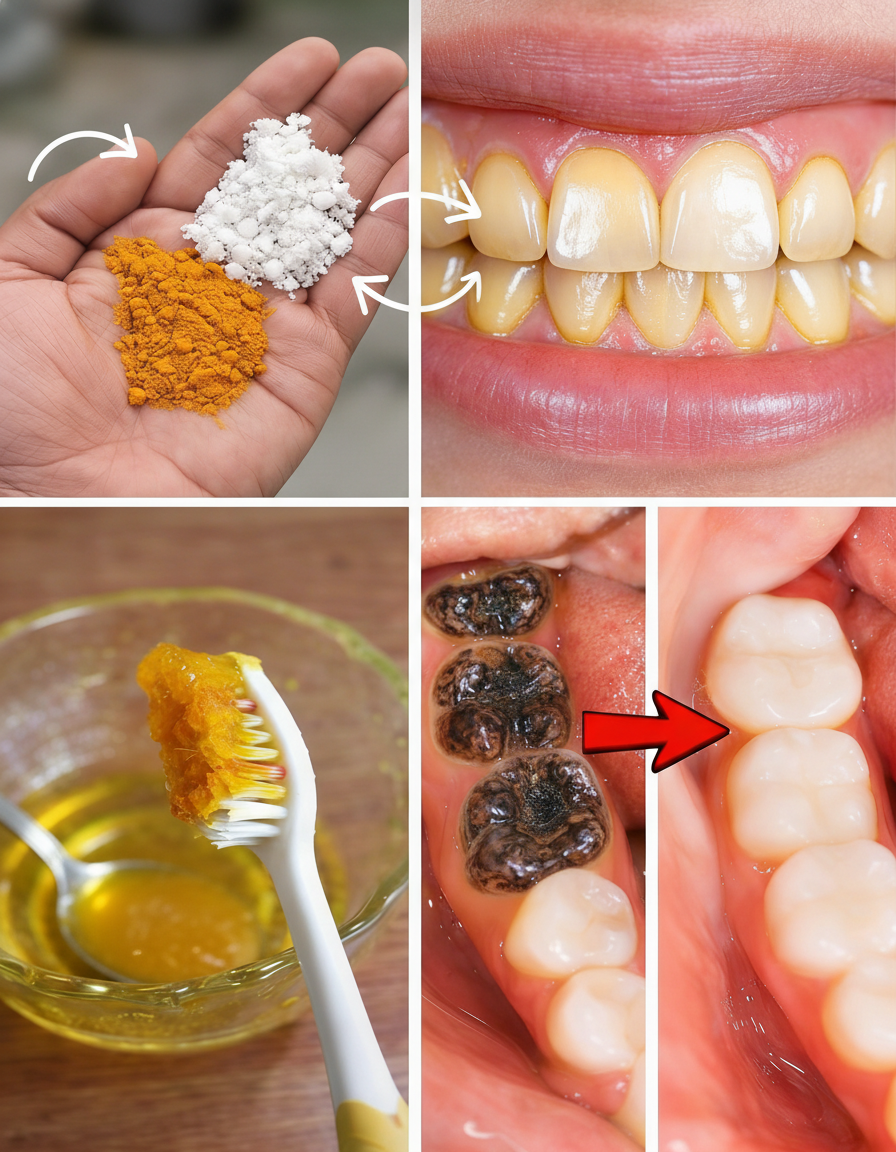
For those inclined towards natural approaches, turmeric, when used appropriately, can provide gentle, supportive benefits for oral health:
- Reducing Bacterial Activity: Its natural compounds may discourage the growth of certain plaque-forming bacteria, thereby fostering a cleaner oral environment.
- Soothing Mild Gum Irritation: The anti-inflammatory effects of curcumin can help alleviate symptoms of swollen or sensitive gums when applied thoughtfully and gently.
- Enhancing Overall Freshness: When integrated with diligent brushing and flossing, turmeric might contribute to a refreshed and revitalized sensation in the mouth.
These positive effects are typically most noticeable with consistent, moderate use, rather than aggressive or excessive application.
The Limitations: What Turmeric Cannot Achieve for Your Smile
To prevent disappointment and ensure realistic expectations, it’s vital to understand what turmeric simply isn’t capable of:
- It does not rebuild or strengthen tooth enamel.
- It cannot fill cavities or resolve underlying dental issues such like decay or gum disease.
- It will not deliver instant, dramatic tooth whitening comparable to professional dental treatments.
- It is not a substitute for essential daily oral hygiene practices, including regular brushing, flossing, and routine dental check-ups.
Solely relying on turmeric for significant improvements in your smile’s appearance or health risks overlooking the fundamental, scientifically proven pillars of comprehensive oral care.
Potential Risks: Why Prudence is Paramount
While often perceived as harmless, using turmeric directly on teeth carries potential downsides that warrant caution. Depending on its processing, turmeric powder can possess a mildly abrasive texture. Vigorously scrubbing this powder directly onto teeth—especially when mixed with other abrasive agents like salt or baking soda, as some DIY recipes suggest—can gradually erode precious tooth enamel over time. Since tooth enamel does not regenerate, its preservation is absolutely critical for long-term dental health and protection against sensitivity and decay.
Furthermore, the spice’s intense natural pigment can temporarily stain soft tissues of the mouth, such as the gums and tongue, imparting a yellow or orange tint. While typically temporary, this effect can be aesthetically unappealing. Always prioritize consulting with your dentist before incorporating any new natural remedies into your oral care routine, particularly if you have existing dental concerns or sensitive teeth.