 By admin
 Unmasking Tonsil Stones: The Hidden Cause of Persistent Bad Breath
Dealing with persistent bad breath can be incredibly frustrating, especially when you maintain a diligent oral hygiene routine, brushing meticulously and flossing daily, yet still feel self-conscious in close conversations. You might occasionally dislodge a small, yellowish-white lump after a cough or throat clear, only to be shocked by its intensely foul odor. This experience can lead you to question your hygiene, diet, or even overall health. However, there’s a reassuring truth: often, the real culprit is a surprisingly common and manageable condition discreetly forming in the throat.
By the conclusion of this article, you will gain a clear understanding of this phenomenon and discover simple, daily practices that can make a significant difference in managing it.
The Truth About Tonsil Stones (Tonsilloliths)
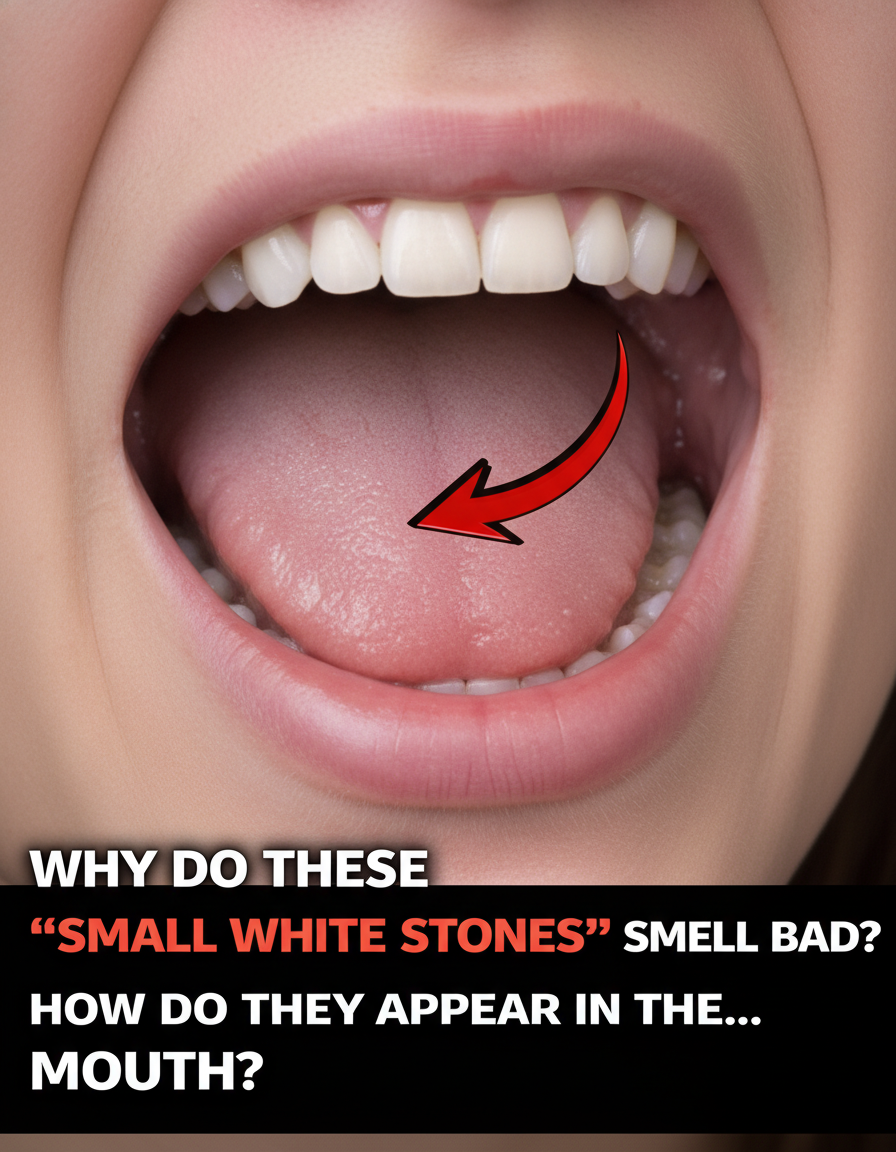
These tiny, malodorous lumps are known as tonsil stones, or scientifically, tonsilloliths. They develop within the small, natural indentations and crevices of your tonsils, called crypts. Unlike a smooth surface, tonsils naturally feature folds and pockets. In some individuals, these spaces are deeper than average, creating an ideal environment for debris accumulation.
Over time, various materials can collect inside these tonsillar crypts, including:
- Microscopic food particles
- Shed dead cells from the mouth lining
- Mucus
- Oral bacteria
When minerals like calcium, present in saliva, interact with this trapped organic matter, it can gradually harden into a small, stone-like deposit. While some tonsil stones are as small as a grain of rice, others can grow to the size of a pea. And yes, even a minuscule stone can profoundly impact breath freshness.
Why Do Tonsil Stones Emit Such a Strong Odor?
The potent smell of tonsil stones stems from the activity of specific bacteria. Inside these stones, bacteria that thrive in low-oxygen environments, known as anaerobic bacteria, are at work. Research in oral health has consistently shown that these bacteria produce compounds called volatile sulfur compounds (VSCs). These sulfur gases are precisely what contribute to:
- A distinct rotten egg scent
- Other sulfur-like odors
- Chronic halitosis, or persistent bad breath
This explains why conventional mouthwash often fails to resolve the issue; it typically freshens the superficial areas of the mouth but cannot penetrate deep into the tonsil crypts where these odor-producing bacteria reside. Furthermore, the smell can intensify after coughing because the stone may be exposed or dislodged, suddenly releasing a concentrated burst of these trapped gases.
8 Common Indicators You Might Have Tonsil Stones
Tonsil stones are not always visible. In fact, many individuals experience symptoms without ever seeing the stones themselves. Here are the most common clues that might suggest their presence:
- Persistent Bad Breath: Despite rigorous oral hygiene practices.
- Unpleasant Taste: A foul or metallic taste, particularly at the back of the throat.
- Sensation of Something Stuck: A feeling like something is lodged in your throat.
- Visible Spots: Small white or yellowish specks on the tonsils.
- Mild Ear Discomfort: Due to shared nerve pathways between the tonsils and ears.
- Recurring Sore Throat: Frequent, mild irritation or soreness.
- Coughing Up Lumps: Expelling small, firm, and often smelly particles.
- Frequent Throat Clearing: A recurring need to clear your throat.
Many people experience several of these signs for years without connecting them to tonsil stones.
Who Is More Susceptible to Developing Them?
It’s important to understand that tonsil stones are not an indicator of poor hygiene. Instead, anatomical factors play a significant role. They are more frequently observed in:
- Individuals with naturally large or deeply cryptic tonsils.
- Teenagers and young adults.
- Those who experience post-nasal drip.
- People with chronic sinus issues or allergies.
- Individuals with a history of frequent tonsillitis during childhood.
Studies in ear, nose, and throat (ENT) medicine suggest that repeated inflammation of the tonsils can lead to the development of deeper crypts over time, creating more spaces for debris to accumulate. If this description resonates with you, rest assured you are not alone.
Why Mouthwash Alone Often Falls Short
Let’s clarify a common misunderstanding about mouthwash. While it can:
- Provide temporary surface freshening for the mouth.
- Help reduce bacteria on the tongue and gums.
- Offer brief odor control.
Mouthwash typically cannot dislodge or flush out the hardened material deeply embedded within tonsil crypts. Consider it akin to spraying air freshener in a room without removing the source of an unpleasant odor; it might mask the smell momentarily but doesn’t address the underlying problem.
Effective Home Strategies to Reduce and Manage Tonsil Stones
Here’s the practical advice. When managing tonsil stones at home, consistency and gentleness are far more crucial than aggressive force.
Step 1: Gentle Removal (Only If Visible and Accessible)
If a tonsil stone is clearly visible and easily within reach without discomfort:
- Use a clean cotton swab or the blunt end of a toothbrush.
- Apply very gentle pressure to the area surrounding the stone.
- Never dig deeply or use sharp objects, as this can injure your tonsils and lead to infection.
Afterward, rinse your mouth thoroughly with warm salt water. If the stone does not come out easily, do not force it.
Step 2: Establish a Nightly Gargling Routine
Many individuals report significant improvement with simple, consistent daily habits:
- Gargle with warm salt water every night: Mix half a teaspoon of salt in a glass of warm water. Salt water can help reduce bacterial buildup, soothe irritation, and potentially loosen trapped debris over time.
- Use an alcohol-free mouthwash: This can help maintain overall oral hygiene without drying out the mouth, which can sometimes exacerbate stone formation.
- Hydrate well throughout the day: Drinking plenty of water helps maintain saliva flow, which naturally cleanses the mouth and throat.
Step 3: Consider Gentle Oral Irrigation
A low-pressure oral irrigator (like a water flosser on its lowest setting) can be a helpful tool for some. Carefully direct the stream towards the tonsil crypts, aiming to gently dislodge any loose debris. Always use the lowest pressure setting and proceed with caution to avoid irritating the sensitive tonsil tissue. If you experience any discomfort, discontinue use.