 By admin
 Nipah Virus: A Traveler’s Guide to Symptoms, Airport Health Checks, and Essential Awareness
The emergence of news concerning a potentially fatal virus, for which no specific cure currently exists, can understandably cause apprehension, particularly as airports reinstate heightened health screening protocols reminiscent of the COVID-19 era. Recent reports confirming Nipah virus cases in West Bengal, India, alongside quarantine measures impacting approximately 100 individuals, have prompted renewed international attention. This atmosphere of uncertainty, coupled with information regarding the virus’s high mortality rate, inevitably fuels anxiety among both travelers and their families. However, by gaining a clear understanding of its symptoms, transmission dynamics, and actual risks, individuals can transform apprehension into informed preparedness. Furthermore, a vital aspect of outbreak containment, often overlooked by the public, will be revealed towards the conclusion of this guide.
Why Global Health Agencies Closely Monitor Nipah Virus
The World Health Organization (WHO) designates the Nipah virus as a “priority pathogen,” signaling its significant potential for causing epidemics and the urgent need for research and development. Several critical factors underscore why international health bodies maintain such close vigilance:
- Its reported fatality rates are notably high, varying between 40% and 75%, influenced by the quality of healthcare access and the swiftness of an outbreak response.
- As of now, there is no licensed vaccine or targeted antiviral medication available to treat Nipah infection.
- The virus possesses zoonotic capabilities, meaning it can transmit from animals to humans, and critically, person-to-person transmission has also been documented.
- Although the U.S. Centers for Disease Control and Prevention (CDC) notes that Nipah outbreaks have historically been confined to specific regions of South and Southeast Asia, the increasing interconnectedness through global travel renders prompt detection absolutely vital. This necessity directly underpins the implementation of airport screening measures.
Understanding the Nipah Virus
The Nipah virus is fundamentally a zoonotic pathogen, signifying its capacity to spread from animal populations to humans. Its primary natural hosts are fruit bats, commonly known as flying foxes. In certain past outbreaks, pigs have also served as intermediary hosts, facilitating transmission. The primary pathways for human infection include:
- Direct physical contact with animals carrying the infection.
- Ingestion of food items that have been contaminated, for example, fruit previously exposed to bat saliva or droppings.
- Proximate or intimate contact with individuals already infected with the virus.
Crucially, unlike many airborne viruses that disseminate readily through casual interaction, Nipah virus transmission typically necessitates close or direct physical contact. This fundamental difference is significant for public health strategies. Furthermore, while localized outbreaks have indeed been severe, it is vital to note that widespread, sustained global transmission beyond the historically affected regions has not been observed.
Recognizing Early Nipah Virus Symptoms
During its initial phase, a Nipah virus infection can present with symptoms that closely mimic those of more common viral illnesses. This symptomatic overlap underscores the importance of awareness without inducing undue alarm. Key early indicators typically include:
- Fever
- Headache
- Myalgia (muscle aches)
- Vomiting
- Sore throat
- Profound fatigue
It’s important to understand that at this juncture, these signs might easily be mistaken for influenza or other routine viral infections. Nevertheless, in a subset of cases, these initial symptoms can escalate in severity.
Progression to Severe Symptoms and Complications
Drawing on data from the CDC and historical outbreak analyses, a Nipah infection can advance to more serious complications, which may encompass:
- A persistent cough
- Dyspnea (shortness of breath)
- Development of pneumonia
- Cognitive impairment, such as confusion or disorientation
- Seizures
- Significant alterations in consciousness
The most critical and life-threatening complication associated with Nipah virus is encephalitis, characterized by inflammation of the brain. This condition can precipitate a rapid decline in health, potentially leading to coma in severe instances. However, it is crucial to emphasize that not all individuals who contract the Nipah virus will develop severe neurological complications. The ultimate outcome can differ considerably, heavily influenced by the availability of timely healthcare and the provision of early supportive treatment.
Nipah Virus Versus COVID-19: A Comparative Overview
Given recent global health experiences, it’s natural for many to draw comparisons between Nipah virus and COVID-19. To provide clarity, let’s delineate their primary distinctions:
| Key Feature | Nipah Virus | COVID-19 |
|---|---|---|
| Case Fatality Rate | 40–75% (highly variable based on outbreak and region) | Approx. 3.4% (global early estimates; varies with strains and healthcare) |
| Vaccine Status | No approved vaccine currently available | Multiple effective vaccines widely deployed |
| Primary Mode of Transmission | Direct animal contact, contaminated food, or close human-to-human contact | Predominantly via respiratory droplets and airborne aerosols |
| Extent of Global Spread | Historically confined to localized, regional outbreaks | Evolved into a global pandemic affecting nearly all countries |
This comparative analysis underscores a critical point: while Nipah virus carries a significantly higher case fatality rate, its historical pattern of spread has been far more geographically restricted than that of COVID-19. This fundamental difference profoundly influences the strategic responses adopted by public health authorities worldwide.
The Rationale Behind Enhanced Airport Health Checks
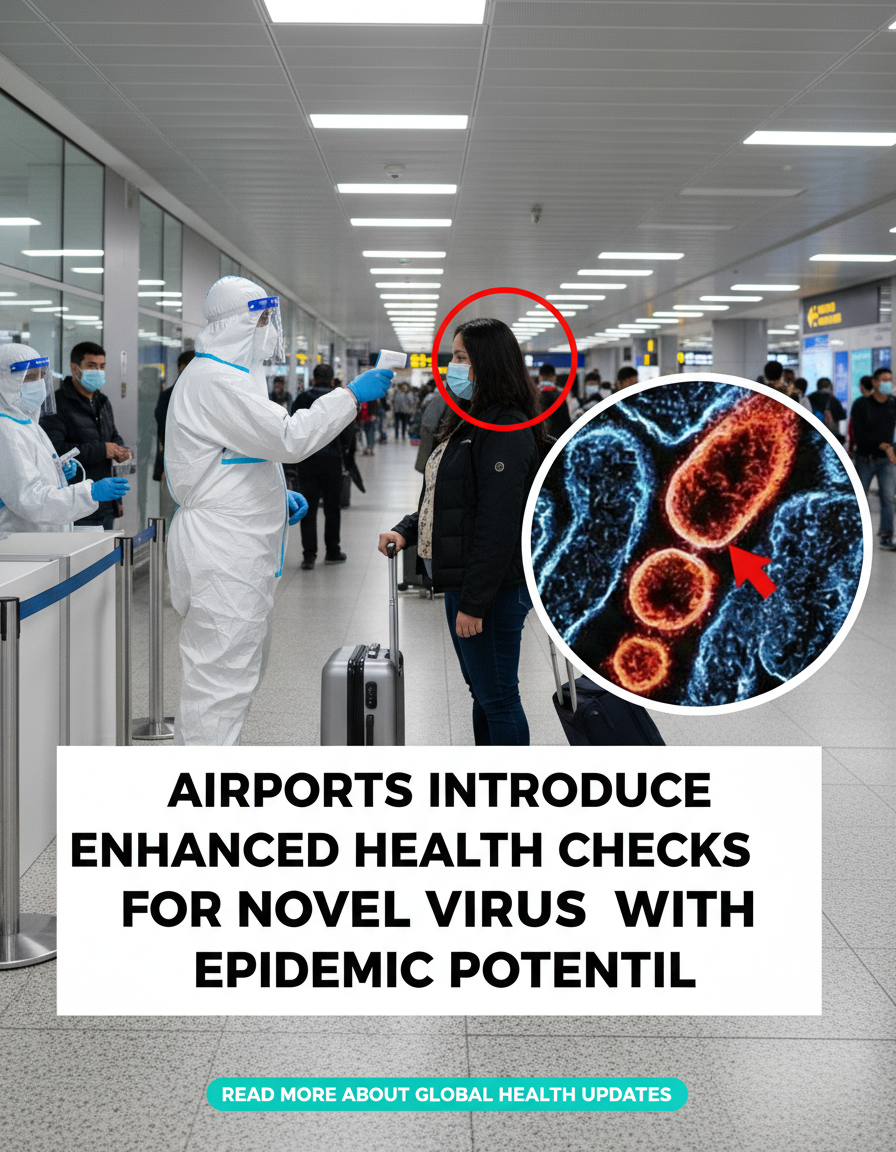
Nations like Thailand, Nepal, and Taiwan have proactively instituted augmented airport health screening procedures specifically for passengers arriving from areas identified as affected by Nipah virus outbreaks. These preventative measures typically involve:
- Thermal scanning for elevated body temperatures.
- Comprehensive health declaration questionnaires.
- Observation and monitoring for overt symptoms.
- Detailed reviews of recent travel itineraries.
It is essential to view these protocols not as an indication of worldwide panic, but rather as a judicious, proactive public health strategy. Leading public health specialists consistently highlight that swift identification and subsequent isolation are among the most potent tools for controlling an outbreak. Scientific studies consistently affirm that a rapid and coordinated response significantly mitigates the risk of broader transmission. Furthermore, a crucial element for the efficacy of airport screening lies in the active participation of informed travelers who are educated about potential symptoms and committed to acting responsibly.
The Critical Role of the Incubation Period in Containment
As hinted at earlier, a vital, often-underestimated factor in containing Nipah outbreaks is its incubation period. Symptoms of Nipah virus infection typically manifest between 4 and 21 days following exposure. This extended window is crucial because it allows for:
- Proactive Monitoring: Health authorities can implement screening measures and contact tracing during this period, even before symptoms become apparent.
- Early Intervention: Informed travelers, aware of potential exposure and symptoms, can seek medical attention promptly, enabling early diagnosis and isolation.
- Limiting Spread: By identifying and isolating potentially infected individuals during this phase, the risk of further community transmission is significantly reduced.
Ultimately, a well-managed incubation period, supported by robust health checks and responsible traveler behavior, forms the bedrock of effective Nipah virus containment strategies, preventing its wider dissemination.