 By admin
 A sudden, tender swelling on your eyelid can quickly disrupt your day. This uncomfortable lump might sting with every blink, feel heavy, and even make you hesitant in social settings. The persistent irritation can be quite frustrating, especially when it impacts your vision or daily activities.
The good news is that with consistent and gentle care, your eyelid can begin its natural healing process. In this guide, we’ll share effective strategies, including one crucial daily habit often overlooked, which can make a significant difference in your recovery.
Understanding Eyelid Bumps: Styes vs. Chalazions
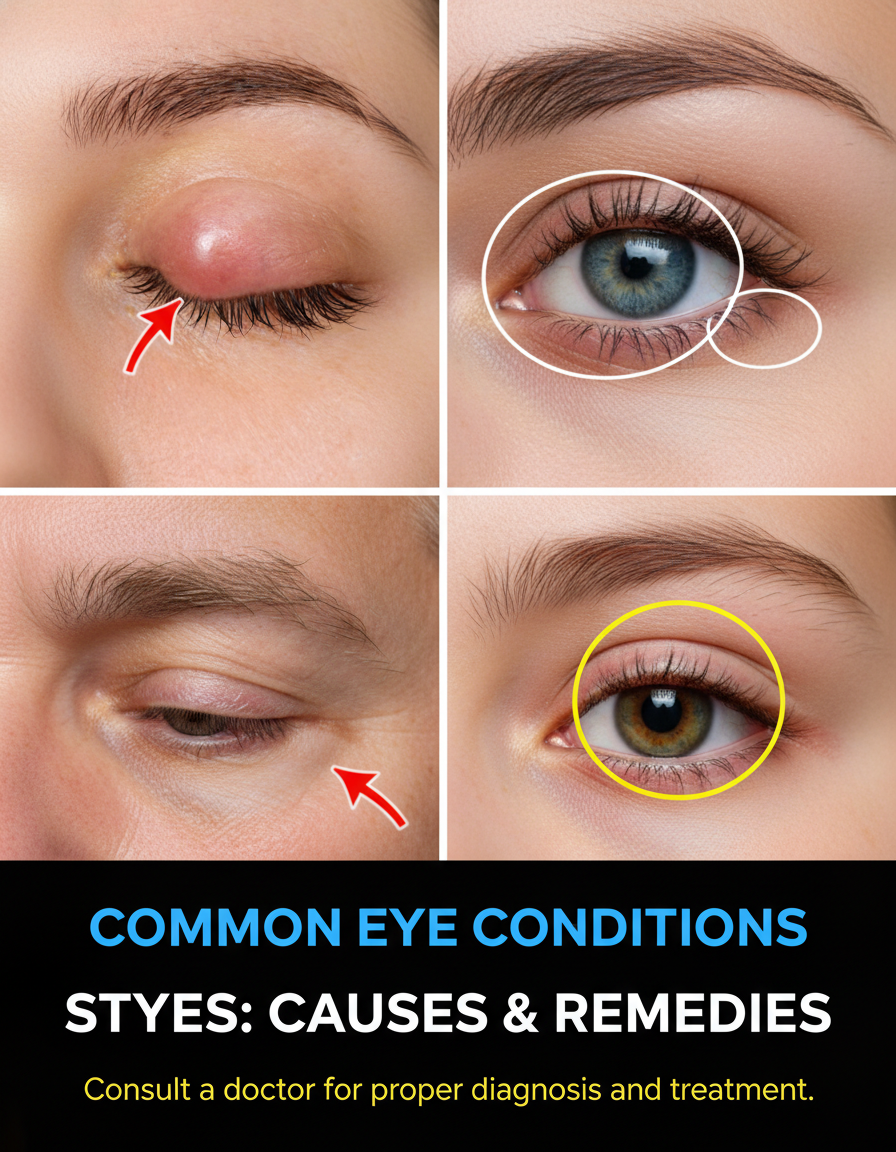
Before exploring home care techniques, it’s helpful to understand the nature of these common eyelid conditions. A stye (also known as a hordeolum) is typically a small, painful, red bump that forms along the edge of the eyelid. It often results from a blocked oil gland or a minor bacterial infection within an eyelash follicle.
Conversely, a chalazion usually develops deeper within the eyelid tissue. While often less painful than a stye, it can be larger and more persistent, forming when an oil gland (Meibomian gland) becomes fully blocked and inflamed.
According to general ophthalmology guidelines and patient education resources, such as those from the American Academy of Ophthalmology, both styes and chalazions are typically benign and self-limiting. They generally respond well to supportive home care. However, the initial steps you take in caring for your eyelid can significantly influence how quickly discomfort subsides and healing progresses. Let’s delve into the most effective and safe home care strategies.
Why Gentle Care Is Paramount Over Aggressive Approaches
It’s a natural inclination to want to squeeze, poke, or attempt quick fixes for an irritating eyelid bump. However, such actions can severely irritate the delicate eyelid tissue, potentially worsening inflammation, spreading infection, or even causing further damage. Instead, the focus should be on promoting natural healing through warmth, meticulous cleanliness, adequate eye rest, and minimizing any further irritation. Simple, consistent habits are often far more effective than aggressive, complicated solutions.
1. The Soothing Power of a Warm Compress
Applying a warm compress is often the first and most highly recommended step in managing both styes and chalazions. The gentle heat helps to soften the hardened oil within the blocked gland, encouraging natural drainage and alleviating pressure and discomfort.
How to Apply a Warm Compress Effectively:
- Hand Hygiene: Always start by washing your hands thoroughly with soap and water to prevent introducing new bacteria.
- Prepare the Compress: Soak a clean washcloth or cotton pad in warm (not hot) water. Ensure the temperature is comfortable for your skin – it should be pleasantly warm, not scalding.
- Remove Excess Water: Wring out the washcloth so it is damp but not dripping.
- Gentle Placement: Gently place the warm compress over your closed eyelid.
- Duration: Leave it on for 10 to 15 minutes.
- Repeat & Re-warm: Re-warm the compress as it cools. Repeat this process 3 to 4 times daily.
Consistency is crucial. A single application might offer temporary relief, but regular, repeated warmth is key to encouraging the gland to drain and promoting healing. Always ensure the compress is comfortably warm to avoid irritating the sensitive skin around your eye.
2. Maintaining Eyelid Hygiene with Mild Cleansing
When oil glands are blocked, keeping the surrounding area clean is vital for recovery and preventing further issues. This does not, however, mean aggressive scrubbing.
Your Gentle Eyelid Cleaning Routine:
- Lukewarm Water: Use water that is lukewarm, not hot or cold.
- Mild Cleanser: Opt for a mild, fragrance-free soap or diluted baby shampoo. Mix a small amount with water.
- Clean Applicator: Dip a clean cotton pad or swab into the diluted solution.
- Gentle Wipe: Carefully and gently wipe along the margin of your affected eyelid, where the eyelashes meet the skin.
- Rinse Carefully: Rinse your eyelid thoroughly with clean water to remove any soap residue.
- Pat Dry: Gently pat your eyelid dry with a clean, soft towel.
This routine helps to remove debris, excess oil, and any bacterial buildup that could hinder healing or contribute to recurrence. Research in eyelid hygiene suggests that consistent and gentle cleaning can reduce the frequency of styes and chalazions in individuals prone to these conditions. Remember, always be gentle; rough rubbing can exacerbate swelling and irritation.
3. Exploring the Traditional Warm Tea Bag Method
While it might seem like an old-fashioned remedy, warm tea bags are frequently used as a soothing compress. Black tea, in particular, contains natural tannins which are believed to offer mild anti-inflammatory properties that may help reduce swelling. Although scientific evidence supporting this specific application is limited, many individuals report finding comfort and relief from this method.
How to Safely Use a Tea Bag:
- Steep: Steep a black tea bag in hot water, just as you would for drinking.
- Cool Down: Allow the tea bag to cool until it is comfortably warm, not hot.
- Remove Excess: Gently squeeze out any excess liquid.
- Apply: Place the warm tea bag over your closed eyelid for 5 to 10 minutes.
- Hygiene: Use a fresh, clean tea bag for each application and avoid reusing it to prevent bacterial contamination.
Important Note: Avoid herbal tea blends, as some ingredients may irritate sensitive eye skin. This method should be considered a complementary comfort measure, not a replacement for medical care, especially if symptoms persist or worsen.
4. Temporarily Discontinue Eye Makeup and Contact Lenses
Continuing to wear eye makeup or contact lenses during an active stye or chalazion can prolong irritation, introduce more bacteria, and potentially worsen the condition. It’s crucial to give your eyes a break.
- Skip Makeup: Avoid mascara, eyeliner, and eyeshadow during the healing process. Makeup can trap bacteria and oils, clogging glands further.
- Pause Contact Lenses: If possible, switch to glasses temporarily. Contact lenses can increase friction on the eyelid and potentially introduce additional irritants or bacteria.
- Replace Old Products: It’s highly advisable to discard and replace any eye makeup (especially mascara and eyeliner) you were using immediately before the stye or chalazion appeared, as it may be contaminated with bacteria.
5. Antibiotic Ointment: When Professional Guidance Is Needed
In certain situations, particularly if there are clear signs of a bacterial infection (such as spreading redness, pus, or fever), a healthcare professional may recommend or prescribe an antibiotic ointment. It is crucial to:
- Seek Professional Advice: Only use medication that has been prescribed or specifically recommended by a qualified medical provider.
- Follow Instructions: Adhere strictly to the dosage and application instructions provided by your doctor or pharmacist.
- Avoid Self-Medication: Never use leftover prescriptions or over-the-counter antibiotic creams not intended for ophthalmic use, as this can be harmful.
Topical antibiotic ointments are typically applied along the eyelid margin and are generally used for a short duration. It’s important to remember that antibiotics are not always necessary; many styes resolve effectively with consistent warm compresses and proper hygiene alone.
Establishing a Simple Daily Routine for Eyelid Health
Taking proactive steps for your eye health can significantly aid recovery and potentially prevent future occurrences. Here’s a summary of a simple daily routine you can start today to manage and care for styes and chalazions:
- Consistent Warm Compresses: Apply 3-4 times daily for 10-15 minutes each session.
- Gentle Eyelid Cleansing: Perform 1-2 times daily using a mild, diluted cleanser.
- Eye Rest: Avoid eye makeup and contact lenses until the condition resolves.
- Hand Hygiene: Always wash your hands before touching your eyes or applying any treatments.
- Stay Hydrated: Drinking plenty of water supports overall bodily functions, including skin and gland health.
Remember, patience and consistency are your best allies. If your symptoms worsen, persist beyond a week, begin to affect your vision, or if you develop a fever, it is imperative to consult a doctor or an eye care professional for proper diagnosis and treatment. Your vision and eye health are precious, so don’t hesitate to seek expert medical advice when needed.