 By admin
 Amlodipine Side Effects: 12 Common Reactions and Practical Management Strategies
Amlodipine is a widely prescribed medication, crucial for managing high blood pressure and alleviating chest pain (angina). While many patients are familiar with its primary benefits, and perhaps common adverse reactions like lightheadedness or tiredness, the subtle ways these effects can impact daily routines often go unmentioned. Simple tasks, from a comfortable stroll to achieving restful sleep, can become unexpectedly challenging. Clinical research and patient testimonials reveal that despite its overall tolerability, certain amlodipine side effects manifest more frequently than typically highlighted during brief medical consultations. The key to mitigating these issues lies in early awareness. By recognizing potential patterns, you can engage in informed discussions with your healthcare provider about possible adjustments. This comprehensive guide will explore 12 significant side effects, drawing insights from reputable sources such as Mayo Clinic, Drugs.com, and NHS guidelines. Read on to discover actionable strategies that could substantially enhance your daily comfort and well-being.
Understanding Amlodipine: Its Mechanism and the Roots of Side Effects
Amlodipine functions as a calcium channel blocker, a medication designed to relax and widen blood vessels. This action facilitates improved blood circulation and reduces the workload on the heart, effectively lowering blood pressure. While this mechanism is highly beneficial for numerous individuals, it can inadvertently trigger various physiological responses, such as shifts in fluid distribution or altered vascular reactions, which manifest as adverse effects. Studies suggest that these reactions are frequently correlated with dosage, often being more pronounced in specific demographics, including elderly patients or those administered higher concentrations. However, the full scope of these effects extends beyond simple dosage considerations. Let’s delve deeper into what you might encounter.
Frequently Reported Amlodipine Side Effects
These adverse reactions are commonly experienced by a considerable number of patients and are well-documented in clinical research.
- Peripheral Edema (Swelling in Ankles, Feet, or Legs): This is among the most prevalent complaints, typically resulting from fluid accumulation in tissues due to the relaxation of blood vessels. Patients may notice shoes feeling restrictive or a sensation of heaviness in their lower limbs, particularly as the day progresses.
- Fatigue or Drowsiness: Many individuals report a persistent lack of vitality or an overwhelming sense of tiredness that persists even after adequate rest.
- Dizziness or Lightheadedness: This sensation, especially noticeable when transitioning rapidly from a sitting or lying position to standing, can elevate the risk of falls if not properly addressed.
- Facial Flushing or Warmth: Patients might experience a sudden onset of redness and warmth in the face or neck area.
- Headaches: Often manifesting early in the therapeutic regimen, these headaches typically diminish in intensity and frequency over time. However, it’s crucial to be aware that other, less common effects can also occur.
Unexpected Amlodipine Side Effects: Beyond the Usual Suspects
While less commonly reported, certain other effects can significantly affect a patient’s quality of life. Let’s explore these in more detail:
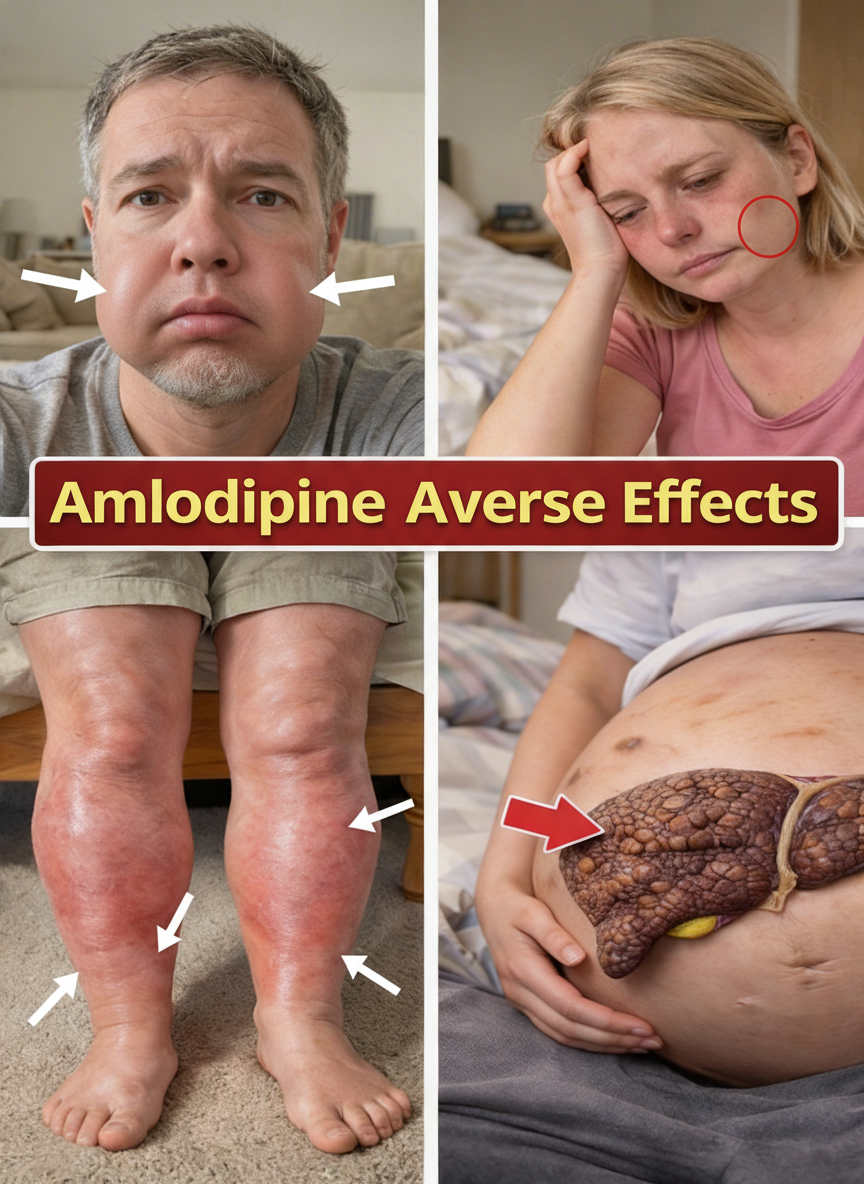
- Palpitations or Irregular Heartbeat: This involves a sensation of your heart racing, pounding, or skipping beats sporadically.
- Nausea or Gastric Upset: Patients may experience mild digestive disturbances, potentially accompanied by abdominal discomfort.
- Muscle Cramps or Rigidity: Characterized by intermittent aches or stiffness, typically in the limbs.
- Gingival Hyperplasia (Gum Enlargement): A less frequent but possible side effect involving the abnormal growth or swelling of gum tissue, which can impact dental health.
- Widespread Flushing: Beyond the face, this warm, reddening sensation can sometimes extend to areas like the arms or chest.
- Profound Sleepiness or Excessive Tiredness: This goes beyond typical fatigue, often disrupting daily activities and responsibilities.
It’s important to note that while many of these effects are mild, their persistence can warrant a conversation with your doctor about potential dosage adjustments.
Rare but Critical Amlodipine Side Effects Requiring Immediate Attention
While exceptionally rare (occurring in fewer than 1 in 1,000 users or even less frequently), certain adverse events necessitate urgent medical evaluation from a healthcare professional:
- Exacerbation of Angina or Chest Pain: For some individuals with pre-existing cardiac conditions, their chest pain symptoms may temporarily intensify.
- Symptoms of an Allergic Reaction: These can include skin rash, persistent itching, or swelling of the face, lips, or tongue. If severe, prompt emergency medical assistance is crucial.
- Indicators of Liver Dysfunction: Extremely uncommon but potentially serious, these might involve jaundice (yellowing of the skin or eyes) or unexplained, severe fatigue.
- Profound Swelling or Respiratory Distress: This category includes severe swelling, such as angioedema, and difficulties with breathing, which require immediate intervention.
Clinical data underscores the rarity of these severe reactions; however, maintaining vigilance is paramount for early detection and intervention.
Effective Strategies for Managing Amlodipine Side Effects
You don’t have to passively endure these effects. Here are practical, actionable measures that many patients have found beneficial:
- For Swelling in Legs/Ankles (Edema): To alleviate fluid retention, elevate your legs above heart level for 15-30 minutes multiple times daily. Consider wearing compression stockings if advised by your physician. Engage in light physical activity, such as gentle walking, to enhance circulation. Additionally, reducing your dietary sodium intake can help minimize fluid build-up.
- For Dizziness or Fatigue: To prevent lightheadedness, make a conscious effort to rise slowly when transitioning from a sitting or lying posture. Ensure adequate hydration and abstain from alcohol, as it can exacerbate these symptoms. Consistent medication timing is key; some individuals find taking their dose in the evening preferable if drowsiness is a concern.
- General Recommendations: Keep a concise journal detailing your symptoms, including their occurrence and severity, to share with your healthcare provider. If you experience gum changes, prioritize excellent oral hygiene and schedule regular dental check-ups. Most importantly, maintain an open dialogue with your doctor about any concerns; they may suggest adjustments like a reduced dosage or the introduction of an alternative medication.