 By admin
 Unlock Healthy Aging: Essential Foods and Daily Habits for a Longer, Healthier Life
In the quest for a longer, healthier life, it’s easy to feel overwhelmed. Every week brings a new “superfood” promising miraculous benefits, making the pursuit of healthy eating seem complex, costly, and often confusing. The pressure to discover that single, perfect ingredient can transform a simple goal into an unrealistic burden. Yet, the truth is much simpler and far more profound. By the end of this article, you’ll grasp the understated power of consistent habits over any individual food item.
Why Longevity Thrives on Patterns, Not Isolated Superfoods
When individuals search for “longevity foods,” they frequently hope to uncover a magical ingredient. Blueberries, olive oil, turmeric, green tea—each has, at various times, been hailed as a nutritional powerhouse. However, the reality is more nuanced. Research from populations renowned for their long lifespans, often referred to as “Blue Zones,” consistently reveals a common thread: these communities adhere to balanced dietary patterns centered around whole, minimally processed foods, predominantly plant-based ingredients, beneficial fats, and mindful portion sizes. The secret isn’t a single miracle food; it’s the cumulative effect of thoughtful, repeatable choices made day after day.
Numerous studies published in leading nutrition journals consistently demonstrate that dietary approaches rich in fresh vegetables, fruits, legumes, nuts, and whole grains are strongly linked to superior overall health outcomes and a more vibrant aging process. This consistent pattern is the true common denominator—and it’s genuinely good news. Why? Because achieving consistency is far more attainable and sustainable than striving for elusive perfection.
Core Foods for Longevity: Backed by Scientific Insight
Let’s delve into practical food categories that, while not miraculous cures, are nutrient-dense staples consistently associated with long-term health and vitality.
-
1. Vibrant Fruits and Vegetables
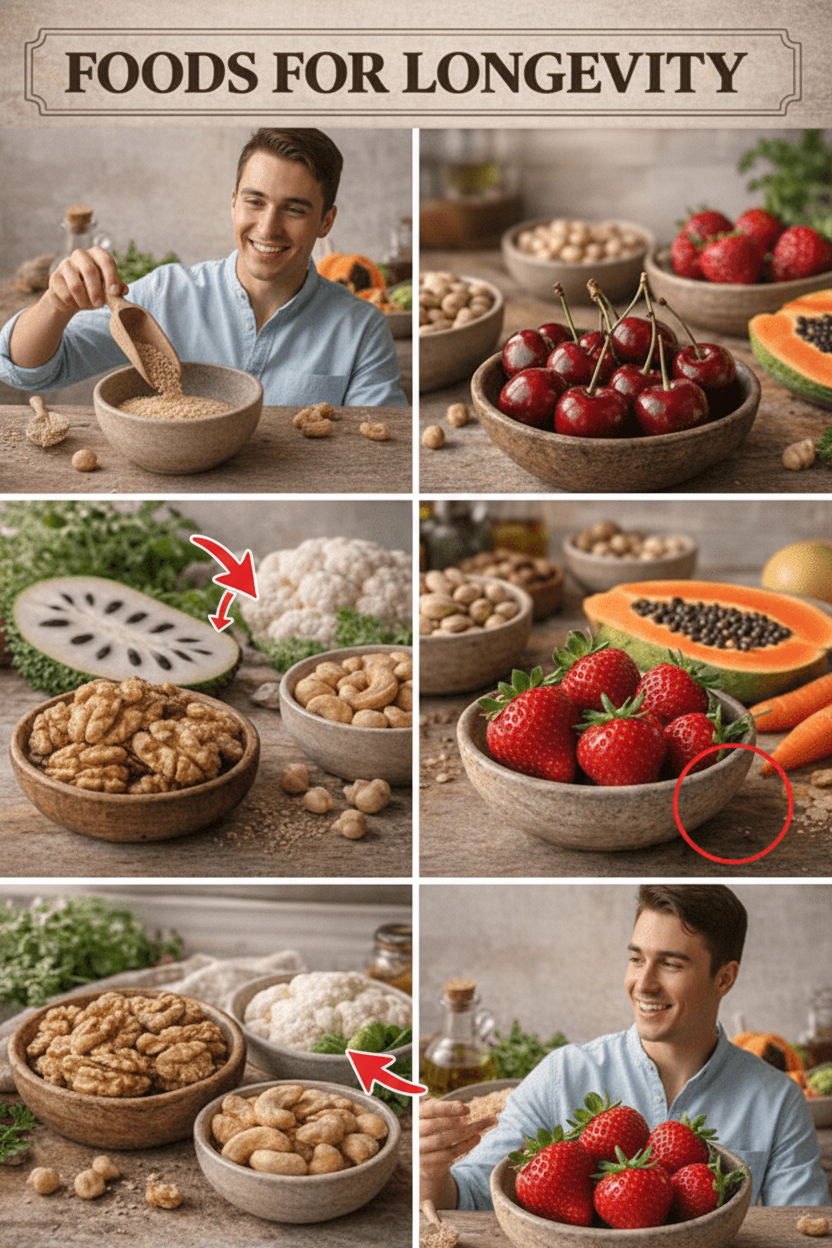
Fruits and vegetables are nutritional powerhouses, delivering essential fiber, a spectrum of vitamins, vital minerals, and potent plant compounds known as antioxidants. These antioxidants play a crucial role in safeguarding your cells from the daily wear and tear of oxidative stress. Key examples include:
- Berries such as strawberries, blueberries, and raspberries
- Leafy greens like spinach, kale, and Swiss chard
- Cruciferous vegetables including broccoli, cauliflower, and Brussels sprouts
- Carrots, sweet potatoes, and other brightly colored root vegetables
Scientific studies consistently indicate that a higher intake of diverse fruits and vegetables is correlated with enhanced overall health and a reduced risk of chronic conditions commonly associated with aging. Moreover, variety is paramount; different colors signify a broader array of protective compounds, maximizing your nutritional benefits.
-
2. Nutrient-Dense Nuts and Seeds
Though small in stature, nuts and seeds pack a formidable nutritional punch. They are excellent sources of heart-healthy fats, quality plant protein, dietary fiber, magnesium, and vitamin E. Observational research frequently links regular consumption of nuts to improved longevity and robust cardiovascular health. Popular choices include:
- Walnuts, known for their omega-3 fatty acids
- Almonds, rich in vitamin E
- Cashews, offering a creamy texture and minerals
- Chia seeds, a fiber and omega-3 powerhouse
- Flaxseeds, beneficial for digestive health
Incorporating just a small handful daily can seamlessly integrate these powerful foods into most eating routines.
-
3. Wholesome Whole Grains
Unlike their refined counterparts, whole grains retain their bran and germ, which are packed with fiber, B vitamins, and essential minerals. This makes them significantly more nutrient-dense. Examples include:
- Brown rice, a versatile staple
- Quinoa, a complete protein
- Oats, perfect for a sustained energy breakfast
- Whole wheat bread and pasta, in their true whole-grain form
The fiber content in whole grains is vital for supporting healthy digestion and maintaining stable blood sugar levels, which translates to sustained energy throughout the day. Consistent energy levels, in turn, often contribute to better long-term dietary adherence and overall well-being.
-
4. Power-Packed Legumes
Beans, lentils, and chickpeas are cornerstones in the diets of many long-living populations. They are exceptionally rich in plant-based protein, dietary fiber, and crucial minerals. Beyond their nutritional value, legumes are also highly affordable and incredibly versatile in culinary applications. Examples include:
- Lentils, quick-cooking and nutrient-dense
- Chickpeas (garbanzo beans), great in salads and hummus
- Black beans, a staple in many cuisines
- Kidney beans, hearty and full of fiber
Numerous population studies consistently demonstrate a strong association between higher legume intake and improved longevity outcomes, underscoring their importance in a health-promoting diet.
-
5. Beneficial Healthy Fats
It’s crucial to understand that not all fats are created equal. Unsaturated fats, particularly those derived from plant sources, are widely recognized for their benefits to heart health. Extra virgin olive oil, a cornerstone of the Mediterranean diet, is frequently lauded for its protective qualities. Other excellent sources include:
- Avocados, rich in monounsaturated fats
- Nuts and Seeds (as mentioned above)
- Fatty fish such as salmon, mackerel, and sardines, providing omega-3 fatty acids
These essential fats not only support the absorption of fat-soluble vitamins but also contribute to overall cellular function and hormonal balance, playing a foundational role in healthy aging.
What Longevity Eating Is NOT About
This is where many individuals often encounter obstacles. A truly effective longevity eating approach is NOT characterized by:
- Arbitrarily eliminating entire food groups without a valid health reason.
- Adopting extreme or overly restrictive dietary regimens.
- An obsessive focus on a single nutrient or compound.
- Constantly chasing expensive, exotic, or hard-to-find “super” ingredients.
In fact, overly restrictive diets can often undermine the very consistency required for long-term health benefits. And, as we’ve established, consistency is the ultimate key.
The Indispensable Role of Consistency in Healthy Aging
Herein lies the profound insight: your long-term health trajectory is shaped not by what you consume occasionally, but by what you choose to eat most of the time. Envision your dietary pattern as a long-term investment account. Just as small, regular deposits accumulate substantial wealth over decades, consistent, healthy food choices build a robust foundation for a longer, more vibrant life. A single large “deposit” or a brief period of intense dieting cannot replicate the cumulative power of steady, mindful contributions.
Extensive research on established dietary patterns, such as the widely celebrated Mediterranean diet, clearly illustrates that individuals who consistently adhere to balanced eating habits over many years tend to experience superior aging outcomes compared to those who frequently cycle through various restrictive or fad diets. The continuous commitment to nourishing your body day in and day out is the most powerful strategy for healthy aging.
Embrace the simplicity of whole foods, the joy of variety, and the profound impact of daily consistency. Your future self will thank you.