 By admin
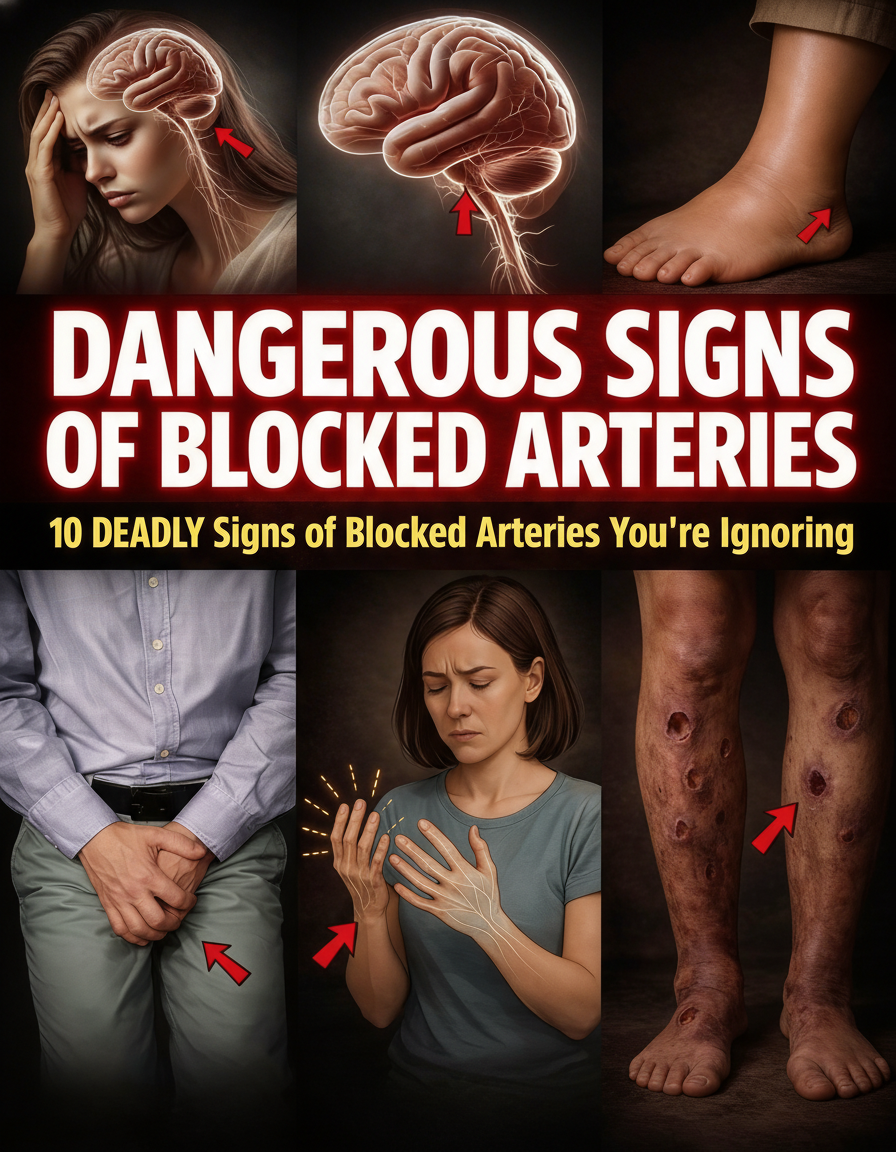
 Unmasking the Silent Threat: 10 Critical Warning Signs of Blocked Arteries You Shouldn’t Ignore
Many individuals, especially those in their 40s, 50s, and beyond, often dismiss subtle bodily shifts – such as unusual tiredness after light tasks or infrequent discomfort – attributing them to the natural progression of aging or everyday stress. Yet, these seemingly minor sensations can quietly accumulate over time, frequently signaling reduced blood flow stemming from plaque accumulation within the arteries, a condition medically termed atherosclerosis. Cardiovascular diseases remain a leading global health concern, emphasizing that recognizing these patterns early is paramount for timely consultation with healthcare professionals. What if one overlooked change could point to a more systemic issue? Continue reading to explore these vital signals and understand why paying close attention truly matters for your health.
The Silent Progression: Understanding Arterial Narrowing
Plaque, a composite of cholesterol, fatty substances, and calcium, gradually forms and thickens inside artery walls over many years. As this buildup progresses, it restricts the efficient flow of blood, particularly during physical activity when the body’s demand for oxygen escalates. Insights from reputable institutions like the Mayo Clinic indicate that this process frequently begins in peripheral areas before more noticeably impacting the heart. Consider, for instance, how a once-effortless walk now leaves you feeling breathless – a change many might simply attribute to being out of shape. However, this gradual alteration warrants serious attention, as studies suggest that peripheral circulatory issues can often precede more severe heart-related events.
Sign #10: Erectile Dysfunction in Men – A Crucial Early Indicator
For men, persistent challenges in achieving or maintaining an erection can often emerge years before other, more overt cardiovascular symptoms manifest. This phenomenon is frequently linked to the narrower penile arteries, which can exhibit signs of restricted blood flow due to plaque buildup sooner than larger coronary arteries. Medical authorities, including the Mayo Clinic, highlight this connection as an early sign of endothelial dysfunction, a condition impacting the inner lining of blood vessels throughout the body. While embarrassment often deters open discussion, addressing this issue with a healthcare provider is vital, as it can prompt a comprehensive evaluation of overall cardiovascular health. But that’s not the only peripheral hint that deserves your attention…
Sign #9: Persistent Coldness, Skin Discoloration, or Slow-Healing Sores in Legs or Feet
Feet that consistently feel unusually cold, skin that appears pale, bluish, or abnormally shiny, or minor cuts taking weeks to heal are all strong indicators of advanced reduced circulation in the lower extremities. The Cleveland Clinic specifically points to these as significant signs of severe peripheral artery disease (PAD). When tissues receive inadequate oxygen and nutrients, their ability to recover and heal is severely compromised. If you’ve observed these changes, meticulously tracking them can provide valuable information for your medical consultations. Up next: a classic discomfort associated with physical activity.
Sign #8: Pain or Cramping in Legs During Walking (Intermittent Claudication)
Aching or cramping sensations in the calves, thighs, or hips that consistently begin with walking and subside with rest are a hallmark symptom of PAD. The American Heart Association describes this as muscles demanding more oxygen than the narrowed arteries can supply. Individuals often mistakenly attribute this discomfort to old injuries or muscle strain, but a consistent pattern of such symptoms warrants immediate medical evaluation. Here’s where heightened awareness becomes even more crucial…
Quick Self-Check List: Peripheral Signs to Monitor
- Do your legs predictably ache or cramp after walking a specific distance?
- Does resting reliably alleviate this discomfort?
- Have you noticed any changes in the skin appearance or temperature of your lower limbs?
- Are there any areas on your feet or toes that are slow to heal?
Diligently tracking these observations can furnish your doctor with essential details for an accurate diagnosis.
Sign #7: Unexplained Sweating, Extreme Exhaustion, or Sudden Fatigue
Experiencing cold, clammy skin or an overwhelming sense of exhaustion without any apparent cause may signal that your heart is working excessively hard to pump blood against restricted flow. The Mayo Clinic emphasizes fatigue as an early and significant indicator, particularly prevalent in women. Reduced cardiac output can trigger the body’s intrinsic stress response. Many tend to brush off these feelings as everyday stress, but recurring episodes of unexplained exhaustion or sweating undeniably deserve prompt medical attention. Discomfort that spreads often follows…
Sign #6: Discomfort Radiating to Arms, Jaw, Neck, Back, or Stomach
Pain or pressure that extends beyond the chest area to other parts of the upper body utilizes shared nerve pathways. Research indicates that this referred sensation can occur when the heart is under strain. For instance, one individual initially mistook a persistent jaw ache for a dental problem until further medical investigation unveiled its connection to cardiac issues. Have you ever attributed similar feelings to muscle strain or indigestion? Dizziness might also join the symptoms…
Sign #5: Episodes of Dizziness, Lightheadedness, or Nausea
Sudden feelings of faintness or queasiness, especially without any obvious triggers, can arise from temporary reductions in blood supply to the brain or other vital organs. UT Southwestern notes these as potential indications of diminished cardiac output. Women, in particular, may experience these symptoms more prominently. Shortness of breath often accompanies these signs…
Sign #4: Breathlessness During Light Activity or Even at Rest
Feeling winded while performing simple tasks like climbing stairs, getting dressed, or even when at rest suggests that the heart is struggling to meet the body’s oxygen demands. This can also be a result of fluid accumulation in the lungs due to inefficient pumping of blood. For many, this symptom appears gradually, often worsening over time. W