 By admin
 Undergoing a cholecystectomy, the surgical removal of the gallbladder, is a remarkably common procedure worldwide. Despite its frequency, many individuals find themselves pondering the implications of living without this small organ, which typically stores and concentrates bile. The body embarks on a significant adaptive journey following gallbladder removal, leading to a range of physiological adjustments that can initially feel unfamiliar or even concerning. While the exact experience varies considerably from one person to another, gaining insight into these potential changes can significantly alleviate apprehension and help manage expectations. The vast majority of people adapt successfully, resuming a full and healthy life. This guide aims to illuminate the typical bodily changes after gallbladder removal, ensuring a smoother transition for those navigating this new phase.
Continuous Bile Flow to the Small Intestine
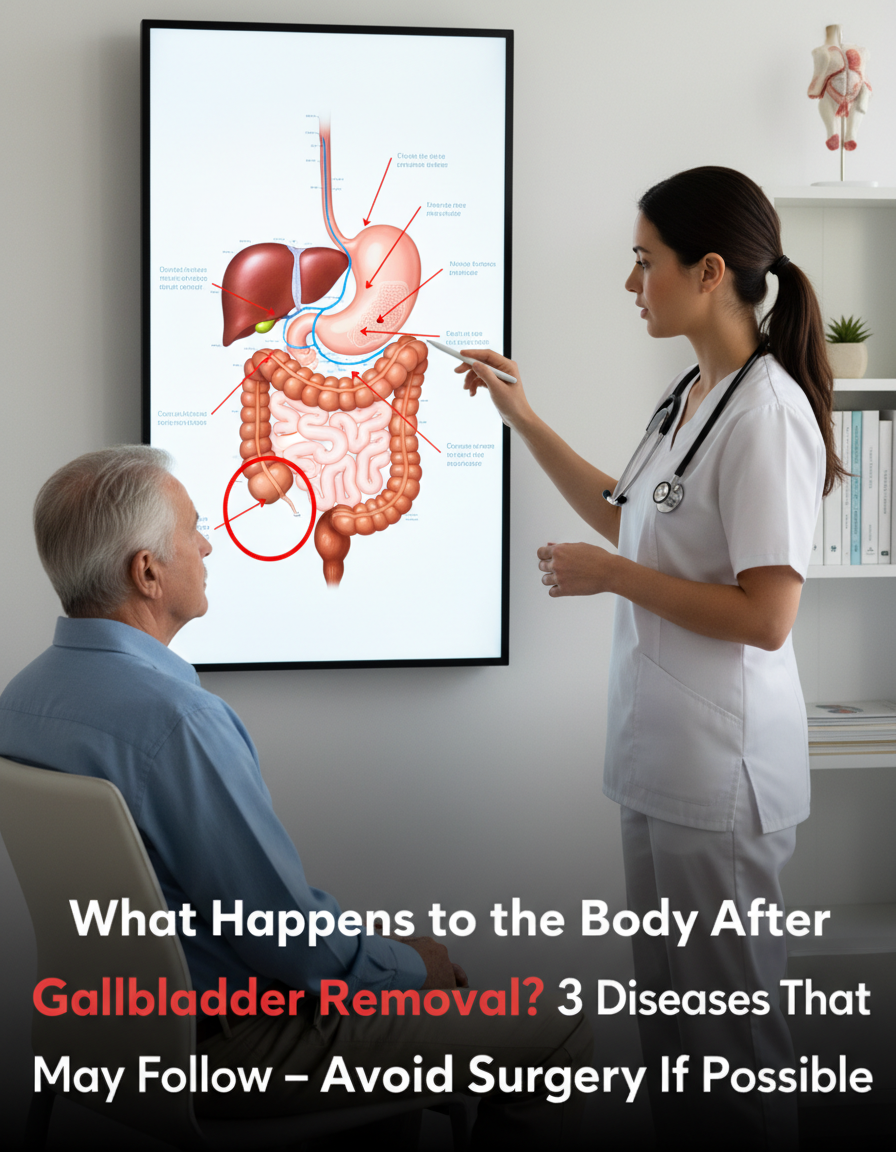
Once the gallbladder, the organ responsible for storing and concentrating bile, is removed, the liver continues its vital role of producing bile. However, instead of being held and released in concentrated bursts during meals, bile now flows continuously and directly into the small intestine. This fundamental alteration in bile delivery represents one of the most significant physiological adjustments your body makes post-cholecystectomy. While many individuals find this continuous flow integrates seamlessly into their digestive process over time, some may initially experience changes, such as looser stools. As experts from institutions like the Mayo Clinic highlight, the absence of the gallbladder means the body can no longer deliver a large, concentrated dose of bile precisely when food, particularly fats, enters the digestive tract. This foundational shift is key to understanding other subsequent digestive adaptations.
Managing Temporary Diarrhea and Loose Stools
A frequently reported side effect following gallbladder removal is the occurrence of temporary diarrhea or more frequent, urgent bowel movements, particularly after consuming meals rich in fats. The continuous, less concentrated flow of bile into the intestine can overwhelm the system, as excess bile may irritate the bowel and act as a natural laxative. This unpredictability can understandably be a source of frustration and may even impact social engagements initially. Fortunately, this condition is often temporary, with symptoms typically subsiding within a few weeks to several months as the body learns to adapt to its new digestive rhythm. Many individuals report substantial improvement once they consciously adjust their dietary habits and lifestyle post-cholecystectomy.
Addressing Increased Bloating and Gas
In the initial months following gallbladder surgery, it’s not uncommon to experience symptoms such as increased bloating, excessive gas, and general abdominal discomfort. The altered method of bile delivery can influence the efficiency with which certain foods are broken down and digested. Consequently, meals that were previously well-tolerated might now lead to feelings of fullness and unease. For the majority, this phase is temporary. Implementing straightforward dietary adjustments often proves effective in mitigating these common post-operative digestive issues after gallbladder removal.
Adapting to Changes in Fat Digestion
While the body retains its capacity to digest fats even after gallbladder removal, the absence of concentrated bile release means that processing larger quantities of dietary fats can become more challenging. This altered fat digestion can sometimes manifest as greasy or floating stools. Initially, many individuals find it beneficial to avoid particularly heavy or high-fat meals to prevent discomfort. Encouragingly, tolerance to fats typically improves over time. A gradual reintroduction of various fats into the diet is often recommended to help the digestive system effectively readjust and optimize fat absorption post-cholecystectomy.
The Primary Benefit: Freedom from Gallstone Pain
Undoubtedly, the most significant and welcome change experienced after gallbladder removal is the complete cessation of the debilitating gallstone attacks, along with the associated bloating and nausea that often necessitated the surgery. With the gallbladder gone, the source of gallstone formation is eliminated, meaning patients are permanently free from this recurring pain. Many describe this outcome as a profound sense of relief, liberating them from the constant worry and discomfort that previously plagued their lives. This lasting freedom from pain and acute attacks stands as the foremost advantage and a major positive transformation following a cholecystectomy.
Navigating Short-Term Surgical Recovery
The immediate weeks following a cholecystectomy, particularly the widely adopted laparoscopic method, involve a period of physical recovery as the body heals from the small incisions. It is entirely normal to experience mild post-operative pain, general fatigue, and sometimes shoulder discomfort, which is often a residual effect of the gas used to inflate the abdomen during surgery. A gradual return to normal daily activities requires both time and patience. Most individuals find they can resume work within one to two weeks, depending on the nature of their job. Adequate rest and adherence to post-operative instructions are crucial for supporting a smooth and effective healing process after gallbladder removal.
Essential Dietary Adjustments Post-Surgery
Following a cholecystectomy, many individuals discover that their tolerance for certain foods has changed. Meals that are high in fat, excessively greasy, or overly spicy can frequently trigger uncomfortable symptoms. This often necessitates a gradual shift in dietary habits. The process of identifying ‘safe’ foods can feel like a period of trial and error as one learns their body’s new sensitivities. Incorporating smaller, more frequent meals throughout the day is a common and effective strategy to manage digestion. With time and consistent effort, these dietary adjustments typically become second nature, contributing significantly to comfort and well-being after gallbladder removal.
Long-Term Adaptation and Positive Outcomes
For the vast majority of individuals, the body demonstrates remarkable adaptability, achieving full adjustment within several months to a year following gallbladder removal. During this period, the liver continues to produce an adequate supply of bile, ensuring effective digestion. Initial anxieties regarding the need for lifelong dietary restrictions often prove to be unfounded. In fact, many people report their quality of life returning to, or even surpassing, their pre-surgery state. This successful and complete adaptation is indeed the typical and most encouraging long-term outcome after a cholecystectomy.
Understanding Postcholecystectomy Syndrome (PCS)
While most people adapt well, a small percentage of individuals may experience persistent symptoms such as chronic diarrhea, abdominal pain, or ongoing indigestion. This cluster of symptoms is medically recognized as Postcholecystectomy Syndrome (PCS). If these issues linger, it can certainly be discouraging, and it’s important to note that other underlying causes may need to be thoroughly evaluated by a healthcare professional. Seeking expert medical guidance is crucial for managing PCS effectively. Even for those who experience PCS, many still report an overall improvement in their quality of life compared to their pre-surgery condition, emphasizing the primary benefit of gallbladder removal.
Practical Tips for a Smoother Post-Gallbladder Removal Transition
To support your body’s adaptation and ease the transition after gallbladder removal, consider incorporating these practical and gentle strategies:
- Opt for Smaller, More Frequent Meals: Eating smaller portions throughout the day can reduce the digestive load and help your system manage the continuous bile flow more effectively.
- Initially Limit Dietary Fats: In the early stages, minimize your intake of high-fat foods. As your body adjusts, gradually reintroduce healthy fats in moderation, observing your tolerance levels.
- Incorporate High-Fiber Foods: A diet rich in fiber can be beneficial. Fiber helps to bind excess bile in the intestines and can contribute to firmer, more regular bowel movements.