 By admin
 Intimate experiences are meant to be a source of connection and relaxation. However, for many, the aftermath can bring unwelcome discomfort, such as a burning sensation during urination or a persistent urge to use the restroom, often manifesting hours or even days after sexual activity. These post-intimacy issues can disrupt daily life, transforming what should be a joyful experience into a source of worry and anxiety. Fortunately, a remarkably simple habit – urinating after intimacy – offers a powerful defense. This practice is widely endorsed by health experts, and understanding its benefits reveals why it’s so valuable for urinary tract health. Continue reading to explore how this easy step can significantly enhance your comfort and well-being.
How Intimacy Can Introduce Bacteria to the Urinary Tract
During sexual activity, the combination of friction and close physical contact can inadvertently transfer bacteria from the surrounding skin, genital region, or anal area towards the urethra. This proximity is a key factor, as the urinary and reproductive systems are anatomically very close. For women, the urethra is notably shorter (approximately 4 cm or 1.5 inches), creating a shorter pathway for bacteria to travel. While men have a longer urethra (around 20 cm or 8 inches), the risk of bacterial migration still exists. If these bacteria are allowed to remain and multiply within the urethra, they can lead to irritation and potential infection. This is precisely where the act of urinating after sex becomes crucial, as it helps to effectively flush out these unwelcome microorganisms before they can establish themselves and cause problems. This natural cleansing action significantly lowers the likelihood of developing post-intimacy urinary discomfort.
Understanding Post-Intimacy Urinary Discomfort and “Honeymoon Cystitis”
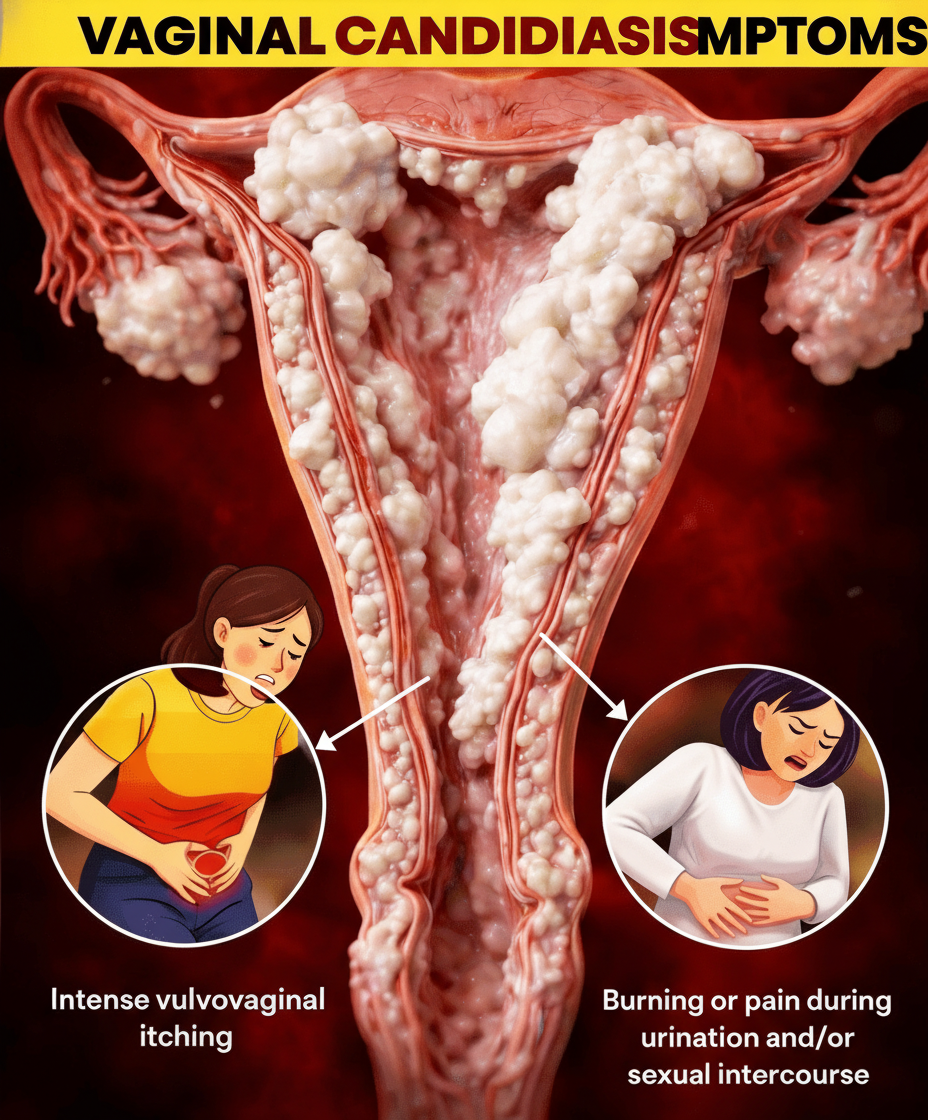
The uncomfortable sensations that can follow sexual activity are often referred to as “honeymoon cystitis,” a common term for a urinary tract infection (UTI) linked to increased sexual activity. This irritation is typically caused by bacteria, such as E. coli, entering the urinary tract. Symptoms can manifest quickly, including a burning sensation during urination, a persistent and urgent need to void, lower abdominal pain, or a general feeling of unease. These issues can severely impact daily life, disrupting sleep, work productivity, and even future intimacy. Leading health organizations emphasize that urinating promptly after sex serves as an effective mechanism to flush out these bacteria early. While it can be disheartening when enjoyable moments lead to pain, this simple practice provides a direct and powerful method for preventing UTIs after sex.
Harnessing the Natural Cleansing Power of Urination
The act of urinating after intimacy functions as a gentle, natural rinse for the urinary tract. The flow of urine effectively washes away any bacteria that may have entered the urethra, preventing them from adhering to the lining and causing infection. Beyond this crucial flushing action, this habit can also help alleviate bladder pressure, contribute to overall intimate balance, and soothe any irritation caused by friction during sex. Medical professionals consistently underscore post-sex urination as an easy yet highly effective preventative measure. Many individuals who incorporate this into their routine report experiencing enhanced comfort and a quicker return to their normal state of well-being.
Complementing Post-Intimacy Urination with Gentle Hygiene
Optimal post-intimacy urinary health is greatly enhanced when combined with appropriate hygiene practices. It is advisable to gently cleanse the genital area with plain water and a mild, unscented soap both before and after sexual activity. It’s crucial to steer clear of scented products, harsh chemicals, or douching, as these can disrupt the natural pH balance and beneficial bacterial flora. For uncircumcised men, particular attention should be paid to cleaning beneath the foreskin. Integrating these simple yet effective hygiene steps with urinating after sex establishes a significantly healthier environment, proactively warding off the frustration of recurrent urinary discomfort.
The Risks of Neglecting Post-Intimacy Urination
While extended moments of closeness are cherished, consistently neglecting the habit of urinating after intimacy can significantly elevate the risk of urinary tract irritation and infection. The common consequences of skipping this simple step include painful or burning urination, a frequent and compelling need to visit the bathroom, generalized abdominal discomfort, and in rarer instances, the upward spread of infection to the kidneys. The experience of managing these uncomfortable symptoms far outweighs the minor inconvenience of prevention. Post-sex urination requires only a few moments but can potentially save you from days of discomfort and distress.
Universal Benefits: Why All Genders Should Prioritize Urinating After Intimacy
The emphasis on post-intimacy urination is often particularly highlighted for women due to their anatomical structure. A woman’s significantly shorter urethra provides a less obstructed pathway for bacteria to reach the bladder, making them more vulnerable to UTIs. However, the benefits extend to everyone. For men, urinating after sex helps to clear any residual fluids, such as lubricants or seminal fluid, which can also contribute to irritation or provide a medium for bacterial growth, thereby enhancing overall comfort. Ultimately, this practice represents a sensible and effective form of self-care for all sexually active individuals. While anatomical differences exist, the protective effects of this habit are universally valuable for maintaining urinary tract health.
Additional Comforts and Wellness Benefits
Beyond infection prevention, individuals who regularly urinate after intimacy frequently report a range of additional comforts. These include a noticeable reduction in pelvic pressure, a general feeling of lightness, the effective clearing of any post-sex residue, and an overall sense of freshness and cleanliness. When combined with consistent daily hydration, this habit significantly contributes to enhanced overall well-being. It truly is a minor adjustment with a substantial payoff in terms of daily comfort and peace of mind.
Practical Tips for Establishing This Essential Habit
Integrating post-intimacy urination into your routine doesn’t have to be a chore. Aim to void your bladder within 10 to 30 minutes following sexual activity; there’s no need to rush immediately. Here are some helpful strategies to make it easier:
- Hydrate Proactively: Sipping water before intimacy can help stimulate the urge to urinate afterward.
- Practice Relaxation: Deep breathing exercises can help you relax and facilitate the natural process.
- Warm Shower: A warm shower can also encourage relaxation and the natural urge to pee.
- Gentle Reminders: Initially, setting a subtle reminder can be beneficial until the habit becomes ingrained.
With consistent practice, urinating after sex will soon become an automatic and effortless part of your routine, contributing to long-term urinary health.
When to Seek Professional Medical Advice
While urinating after intimacy is a highly effective preventative measure, it’s crucial to recognize its limitations. If you experience severe pain, develop a fever, notice blood in your urine, or if urinary symptoms persist despite your preventative efforts, it’s imperative to seek professional medical attention. These symptoms could indicate a more serious condition requiring proper diagnosis and treatment. Never attempt to self-treat with antibiotics, as this can lead to antibiotic resistance and other complications. A healthcare provider can offer accurate evaluation and appropriate guidance. Remember, while post-sex urination significantly aids in prevention, it is not a cure-all for existing or severe urinary infections.
Comprehensive Actionable Steps for Optimal Urinary Health
To further enhance your urinary tract protection and overall well-being, integrate these actionable steps into your daily routine:
- Urinate Promptly After Intimacy: Aim to empty your bladder within 30 minutes following sexual activity.
- Maintain Daily Hydration: Consistent water intake helps support the body’s natural flushing mechanisms, keeping the urinary system clear.
- Prioritize Gentle Hygiene: Cleanse the genital area with mild, unscented soap and water both before and after sex.
- Wipe Correctly: Always wipe from front to back after using the toilet to prevent the transfer of bacteria from the anus to the urethra.
- Choose Breathable Underwear: Opt for cotton or other breathable fabrics to help keep the genital area dry and minimize bacterial growth.
By adopting these complementary habits, you create a robust defense system for sustained urinary comfort and health.
Conclusion
In summary, urinating after intimacy is a straightforward, free, and highly effective habit that plays a crucial role in safeguarding your urinary tract against bacteria introduced during sexual activity. By leveraging your body’s natural defenses, this simple act helps prevent uncomfortable and disruptive urinary tract infections. Integrating this practice, alongside good hygiene and hydration, is a proactive step towards maintaining long-term urinary health and ensuring that your intimate moments remain a source of joy, not concern. Make this small change for a significant impact on your comfort and well-being.