 By admin
 Waking up with a wet pillow is a common, often embarrassing, experience that many people simply dismiss. While occasional nocturnal drooling is completely normal, persistent or excessive saliva leakage during sleep can be a subtle yet important indicator of underlying health issues that warrant attention. Your body often communicates through these seemingly minor symptoms, and understanding them can lead to better health outcomes.
This comprehensive guide will delve into eight potential health conditions linked to excessive drooling while sleeping. We’ll explore the reasons behind this phenomenon and provide insights into what your body might be trying to tell you, including one often overlooked factor that could make a significant difference.
Understanding Nocturnal Drooling: Why It Happens
Saliva is crucial for oral health, digestion, and neutralizing acids in the mouth. Throughout the day, we unconsciously swallow saliva multiple times a minute. However, during sleep, particularly in deeper stages, our body’s muscle tone relaxes. This relaxation extends to facial muscles and swallowing reflexes, making it easier for saliva to accumulate and escape from the mouth.
Factors like sleeping posture, nasal obstruction, and overall muscle control all play a role. But when nighttime drooling becomes a frequent occurrence, grows noticeably worse, or seems excessive, it’s a signal that a deeper investigation into its causes might be necessary.
8 Potential Health Conditions Linked to Excessive Saliva While Sleeping
1. Nasal Congestion and Sinus Problems
When your nasal passages are blocked, your body naturally resorts to mouth breathing to ensure adequate oxygen intake. This shift in breathing patterns significantly increases the likelihood of saliva pooling in the mouth and spilling out. Common culprits for nasal obstruction include:
- Seasonal allergies (allergic rhinitis)
- Acute or chronic sinus infections
- Chronic non-allergic rhinitis
- A deviated nasal septum
Research in sleep medicine highlights the essential role of clear nasal airflow in maintaining proper oral muscle control during sleep. Furthermore, persistent mouth breathing can negatively impact overall sleep quality, potentially exacerbating the issue of nocturnal drooling.
2. Sleep Apnea
Sleep apnea is a serious sleep disorder characterized by repeated interruptions in breathing during the night. When airflow is obstructed, individuals instinctively open their mouths to breathe, leading to increased drooling. Key indicators often associated with sleep apnea include:
- Loud, chronic snoring
- Gasping or choking sounds during sleep
- Waking up with headaches in the morning
- Persistent daytime fatigue and sleepiness
Multiple studies published in sleep health journals confirm that individuals diagnosed with obstructive sleep apnea frequently report excessive drooling as a secondary symptom, primarily due to the relaxation of airway muscles. Recognizing these signs and seeking medical evaluation is crucial.
3. Gastroesophageal Reflux Disease (GERD)
Acid reflux, or GERD, can trigger an increase in saliva production, a physiological response sometimes referred to as ‘water brash.’ This is your body’s attempt to dilute and neutralize stomach acid that has risen into the esophagus. Other common symptoms of GERD include:
- A burning sensation in the chest (heartburn)
- A sour or bitter taste in the mouth
- A chronic cough, especially at night
When reflux symptoms worsen in a horizontal position during sleep, the body’s compensatory saliva production can intensify, leading to noticeable drooling.
4. Neurological Conditions
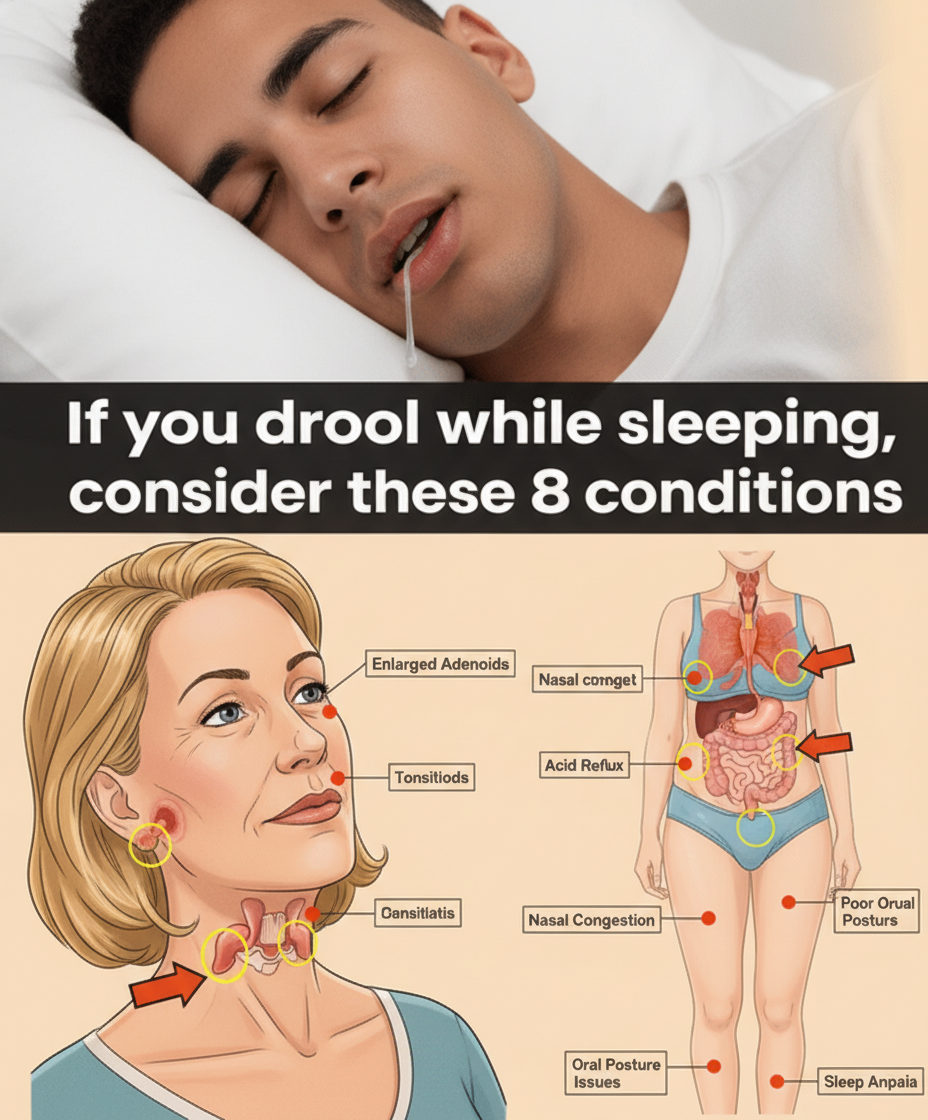
Certain neurological disorders can impair muscle control and disrupt the natural swallowing reflex, making it difficult to manage saliva effectively. These conditions may include:
- Parkinson’s disease
- Complications following a stroke
- Multiple sclerosis (MS)
Neurological changes can slow down the automatic swallowing process, causing saliva to accumulate and escape. It’s important to remember that while drooling can be a symptom, it rarely indicates a neurological disorder on its own and is usually accompanied by other more definitive signs.
5. Medication Side Effects
Some medications are known to either increase saliva production (sialorrhea) or cause muscle relaxation, both of which can contribute to nocturnal drooling. These may include:
- Certain types of antidepressants
- Antipsychotic medications
- Sedatives or tranquilizers
If you notice an increase in drooling after starting a new prescription, discussing this side effect with your healthcare provider is advisable. Sometimes, minor adjustments to dosage or medication can significantly alleviate the issue.
6. Dental or Oral Infections
Infections or inflammation within the mouth, such as gum disease (gingivitis), tooth abscesses, or other oral lesions, can stimulate an overproduction of saliva as part of the body’s protective immune response. Be watchful for symptoms like:
- Swelling and tenderness of the gums
- Bleeding while brushing or flossing
- Persistent bad breath (halitosis)
- Tooth pain or sensitivity
According to dental research, oral inflammation frequently triggers increased saliva flow to help cleanse the mouth and protect tissues. Maintaining rigorous oral hygiene is a powerful preventative measure against such issues.
7. Enlarged Tonsils or Adenoids
This condition is particularly prevalent in children but can also affect adults. Enlarged tissues in the throat, specifically the tonsils and adenoids, can:
- Physically obstruct nasal airflow
- Encourage mouth breathing during sleep
- Disrupt normal swallowing patterns
Children who frequently drool at night often exhibit other signs like snoring or heavy breathing during sleep. A pediatric evaluation can help determine if structural issues are contributing to the problem.
8. Your Sleeping Position
Here’s a remarkably simple yet frequently overlooked factor: your sleeping position. When you sleep on your side or, particularly, on your stomach, gravity naturally works to pull saliva out of your mouth. If these are your preferred sleeping postures, drooling becomes significantly more likely.
The surprising truth is that for many individuals, simply adjusting their sleep posture – for instance, trying to sleep on their back – can dramatically reduce or even eliminate nighttime drooling. This small change in habit can often be the most effective, and easiest, solution.
If persistent drooling is a concern, consider consulting a healthcare professional to rule out any underlying conditions and explore appropriate management strategies.