 By admin
 9 Critical Early Warning Signs of Stroke You Should Never Ignore
Stroke, a devastating neurological event, stands as a primary global contributor to both disability and mortality. While often perceived as sudden and unpredictable, emerging research highlights that the body frequently provides crucial, subtle warnings days or even weeks before a major cerebrovascular accident occurs. These early indicators are commonly linked to transient ischemic attacks (TIAs), often referred to as “mini-strokes,” which represent brief, temporary interruptions in the brain’s blood supply.
Dismissing these pre-stroke symptoms can have dire consequences. Studies from reputable organizations, such as the American Academy of Neurology, consistently show that many individuals experience such warning episodes shortly before a full-blown stroke. The empowering news is that recognizing these signs early offers a vital window to seek immediate medical attention, potentially averting a more severe and life-altering outcome.
In this comprehensive article, we will delve into nine key early warning signs that may manifest before a stroke. We’ll simplify their meaning and provide actionable insights on what steps to take without delay. Stay tuned until the end for essential lifestyle considerations that can significantly bolster your brain health and reduce your stroke risk.
Understanding the Difference: TIA vs. Full Stroke
Before exploring the specific symptoms, it’s crucial to grasp the distinction between a Transient Ischemic Attack (TIA) and a full stroke. A TIA, often called a “mini-stroke,” occurs when there’s a temporary blockage in blood flow to the brain. Its symptoms mirror those of a full stroke but typically resolve within minutes to a few hours, leaving no permanent neurological damage. However, despite their transient nature, TIAs are not benign; they are a profound red flag.
According to authoritative sources like the American Stroke Association, approximately one in three people who experience a TIA may suffer a full stroke within a year if the underlying causes are not addressed. Many of these subsequent strokes occur within days or weeks of the TIA. These brief episodes frequently serve as the “early signs” people refer to when discussing pre-stroke warnings. The crucial takeaway: even if symptoms quickly subside, never disregard them. Immediate medical evaluation by a healthcare professional is paramount.
The 9 Early Warning Signs to Watch For
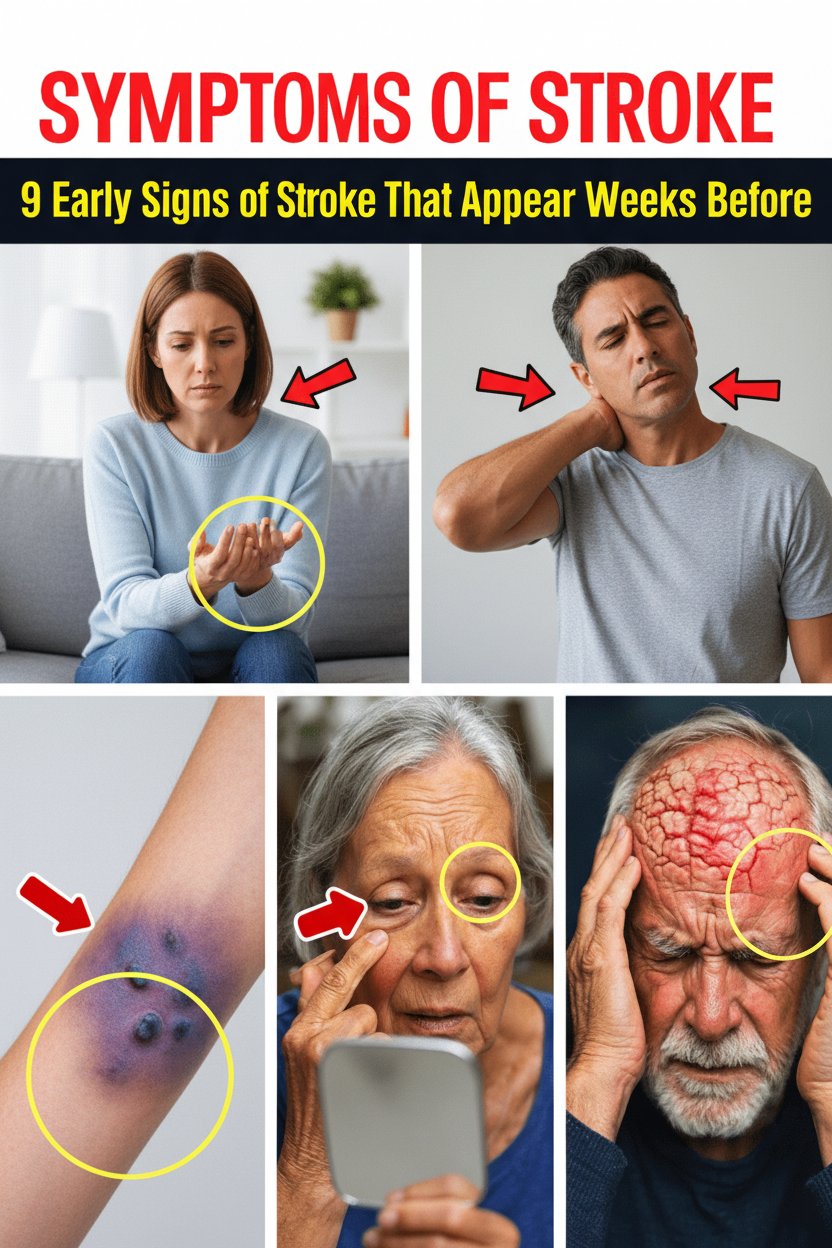
Medical experts and research consistently link the following nine symptoms to potential pre-stroke warnings, often manifesting through TIAs or periods of reduced cerebral blood flow. These signs can emerge abruptly and may fluctuate, appearing and disappearing.
- Sudden Numbness or Weakness, Especially on One Side
You might experience an unexpected heavy sensation or profound weakness in an arm, leg, or one side of your face. This often presents as a weakened grip or a slight drag in one leg while walking. This occurs when blood flow to the brain region controlling motor function is temporarily compromised. - Trouble Speaking or Understanding Speech
Words may become slurred, jumbled, or you might struggle to articulate your thoughts or find the correct words. Conversely, others’ speech might sound unclear or incomprehensible to you. This classic **neurological symptom** points to temporary disruption in the brain’s language processing centers and is a core component of the FAST test (Facial drooping, Arm weakness, Speech difficulty, Time to call emergency services). - Sudden Vision Changes in One or Both Eyes
Blurred vision, double vision, or a temporary loss of sight—often described as a curtain falling over your visual field—can signal issues within the brain’s visual processing areas. Even if your vision quickly returns to normal, this symptom warrants immediate attention. - Dizziness, Loss of Balance, or Coordination Problems
Feeling suddenly unsteady, experiencing a sensation that the room is spinning (vertigo), or becoming uncharacteristically clumsy (dropping objects more frequently) can indicate that the brain’s balance centers are not receiving an adequate and steady blood supply. - Severe or Unusual Headache
A sudden, intensely painful headache—frequently characterized as the “worst headache ever”—without an apparent cause can sometimes precede a stroke, particularly in certain types of cerebrovascular events. Research has noted “sentinel headaches” occurring up to a week before a major stroke in some instances. - Confusion or Trouble Thinking Clearly
You might feel mentally foggy, struggle with concentration, or find simple cognitive tasks unusually difficult. This subtle yet significant change can be easily overlooked but reflects temporary oxygen deprivation to the brain. - Sudden Fatigue or Extreme Tiredness
An unexplained wave of profound exhaustion or extreme tiredness, even after adequate rest, sometimes accompanies other **early stroke symptoms**. This phenomenon may be linked to the body’s stress response to reduced circulation or the brain working harder to compensate. - Brief Episodes of Facial Drooping
One side of your mouth or eye might temporarily feel weak or appear to sag when you smile or speak. This is a crucial indicator in the FAST test and, while often resolving quickly, must never be ignored. - Intermittent Tingling or Strange Sensations
Experiencing pins-and-needles sensations, particularly localized to one side of the body, or other odd, unexplainable sensations in your limbs or face, can appear and disappear. These fleeting sensations can hint at minor interruptions in blood flow to specific brain regions.
It’s important to remember that these **stroke warning signs** often overlap, and their temporary nature is precisely what makes them challenging to identify and often dismissed. The absolute key is to act FAST when any of these symptoms appear, even if they seem to resolve quickly. Every second counts when it comes to **brain health** and preventing a potentially life-altering stroke. If you or someone you know experiences any of these signs, seek emergency medical help immediately. Prompt action can make all the difference in preventing a more serious outcome and ensuring better recovery.