 By admin
 Beyond the Break: 10 Hidden Causes of Brittle Nails and Actionable Steps for Lasting Strength
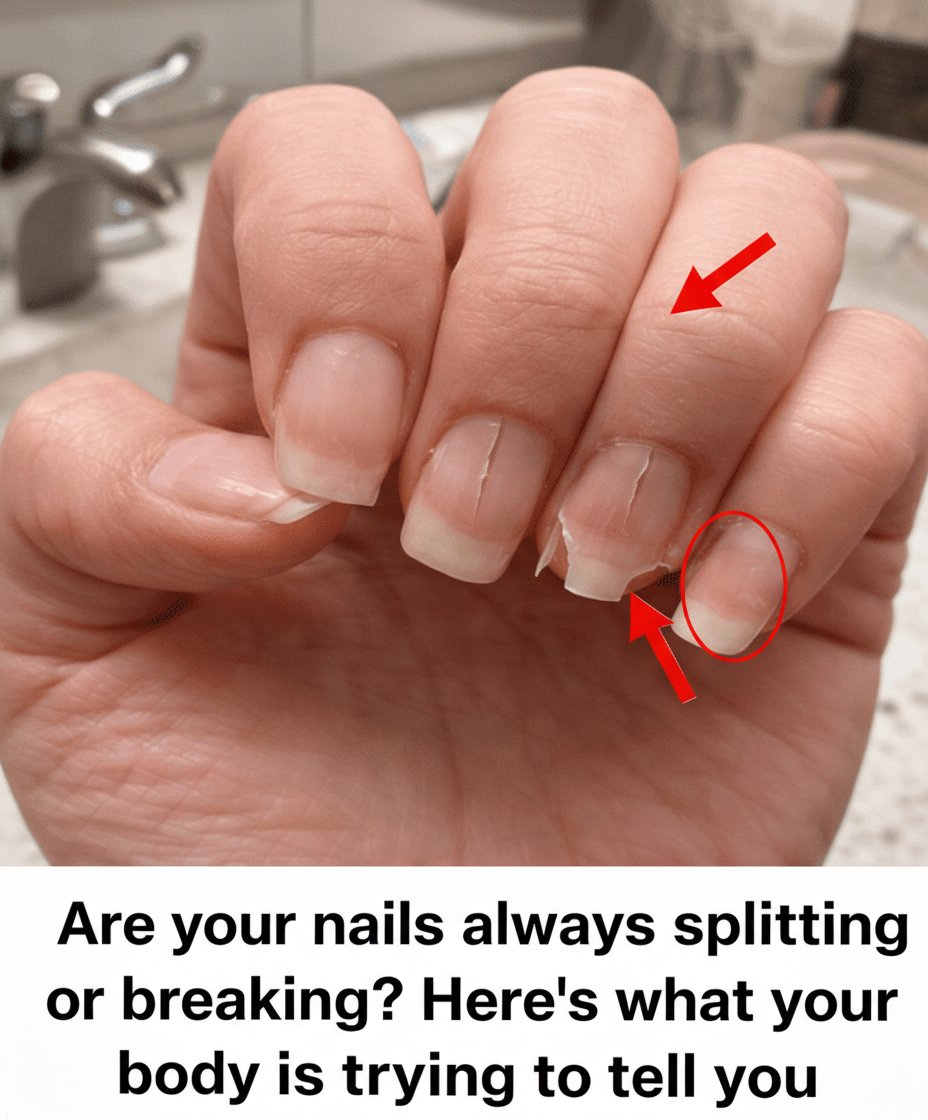
Dealing with brittle nails can be incredibly frustrating. Affecting up to 20% of the population, with a higher prevalence among women over 50, conditions like onychoschizia (lamellar splitting) are common. Many find their nails frequently cracking, peeling, or breaking during routine activities, leading to discomfort and a feeling of fragility. This widespread issue often stems from a combination of daily habits, environmental stressors, and internal bodily changes that subtly impact nail health over time. While temporary solutions like nail hardeners offer fleeting relief, a deeper understanding of potential underlying causes is key to achieving more sustainable improvements through simple, consistent lifestyle adjustments.
What if some seemingly minor everyday choices are silently contributing to your nail woes? And what if small, focused changes could make a significant, noticeable difference? Continue reading to uncover 10 potential factors, supported by research insights, along with practical strategies you can implement today.
The Everyday Struggle: Why Brittle Nails Feel So Frustrating
As we age, particularly after 35 or 40, nails naturally become more susceptible to splitting, peeling, and general weakness. Simple tasks—from opening a package to typing or gardening—can become stark reminders of their fragility. Peeling layers don’t just look unsightly; they can expose sensitive areas, causing stinging sensations or snagging on clothing. Studies and clinical reviews consistently highlight that brittle nail syndrome impacts a substantial number of adults, particularly women, often linked to repeated moisture exposure, the natural aging process, or other prevalent factors. The encouraging news? Many instances of brittle nails can be significantly improved with targeted habits, rather than requiring complex medical interventions. However, surface-level remedies often fall short because they fail to address the root contributors. Let’s delve deeper into what might truly be happening beneath the surface.
Decoding Your Nails: 10 Potential Causes of Brittleness and How to Respond
1. Nutritional Deficiencies, Especially Biotin
Biotin, also known as Vitamin B7, plays a crucial role in the production of keratin, the primary protein component of your nails. Research, including several small-scale studies, has indicated that consistent biotin supplementation can enhance nail thickness by approximately 25% in some individuals experiencing brittle nails over a period of several months. An inadequate intake of biotin-rich foods, such as eggs, nuts, seeds, or leafy greens, can quietly contribute to weakened nails.
- Supportive Steps: Regularly incorporate biotin-rich foods like eggs, almonds, sunflower seeds, and spinach into your diet. If dietary intake alone seems insufficient, consider discussing a biotin supplement (typically around 2.5 mg daily) with your healthcare provider. Visible improvements often manifest after 4–8 weeks of consistent use. Reflect on your current consumption of these foods; a lower intake might be the first area to address.
2. Low Iron Levels and Impaired Oxygen Delivery
Iron deficiency, a common nutritional gap, is sometimes associated with altered nail appearance, including spoon-shaped nails (koilonychia) or increased brittleness. This is because iron is vital for transporting oxygen to the rapidly growing cells within the nail matrix. Additional indicators such as persistent fatigue or pale nail beds might offer further clues about your iron status.
- Supportive Steps: Boost your intake of iron-rich foods such as lean red meat, lentils, beans, spinach, or fortified cereals. To maximize absorption, especially from plant-based iron sources, pair them with vitamin C-rich foods like citrus fruits. Should symptoms persist or worsen, a simple blood test arranged by your doctor can provide a definitive diagnosis and guide appropriate treatment.
3. Inadequate Protein for Keratin Synthesis
Given that keratin forms the vast majority of your nail structure, a consistently low intake of dietary protein can directly impact nail strength, leading to softer, more fragile, and easily breakable nails.
- Supportive Steps: Aim to include a good source of protein in most of your meals. Excellent options include lean poultry, fish, eggs, legumes (beans, lentils), dairy products, or nuts. Try to consume at least a few protein sources daily; many individuals report noticing firmer, stronger nails after 6–12 weeks of steady, adequate protein intake.
4. Chronic Dehydration or Moisture Imbalance
Healthy nails require proper hydration to maintain their natural flexibility and resilience. Insufficient water intake, or frequent cycles of wetting and drying the nails, can strip them of essential moisture, rendering them rigid, dry, and highly susceptible to cracking and splitting.
- Supportive Steps: Commit to drinking at least eight glasses of water daily; using a reusable water bottle can help you track your intake. After washing your hands, apply a gentle, fragrance-free hand cream to lock in moisture. Consider sipping herbal teas in the evening as an enjoyable way to boost your overall hydration without added caffeine.
5. Frequent Exposure to Harsh Chemicals
Everyday household cleaners, strong detergents, and acetone-based nail polish removers are notorious for stripping the natural oils and protective barriers from your nails. This repeated chemical exposure accelerates dryness and significantly worsens nail brittleness over time.
- Supportive Steps: Always wear protective gloves when performing household chores, washing dishes, or engaging in activities that involve chemical contact. Switch to acetone-free nail polish removers and try to limit the frequency of polish changes. Opt for milder, moisturizing soaps to help preserve your nails’ natural moisture content.
6. Dry or Extreme Weather Conditions
Environmental factors play a significant role in nail health. Cold, low-humidity air, particularly prevalent during winter months, actively draws moisture away from your nails. Similarly, consistently dry climates can rapidly accelerate the process of nail dehydration and brittleness.
- Supportive Steps: Make a habit of applying a nourishing cuticle oil or a rich moisturizer to your nails and cuticles daily, especially before venturing outdoors. Wear gloves in cold weather to create a physical barrier against moisture loss. During dry seasons or in arid environments, consider using a humidifier indoors to add moisture back into the air, benefiting both your skin and nails.
7. Thyroid Function Variations
Your thyroid gland, a small but mighty regulator of metabolism, can significantly impact nail health. Both an underactive thyroid (hypothyroidism) and, less commonly, an overactive thyroid (hyperthyroidism) can disrupt the body’s metabolic processes and nutrient distribution, leading to dry, brittle, or even abnormally shaped nails. Hypothyroidism, in particular, often manifests with symptoms like slow nail growth, increased brittleness, and sometimes onycholysis (nail separation from the nail bed).
- Supportive Steps: If you suspect a thyroid issue, or if you experience other symptoms like fatigue, weight changes, or hair loss alongside brittle nails, it’s crucial to consult your doctor. A simple blood test can assess your thyroid hormone levels. Addressing the underlying thyroid condition with appropriate medical treatment is often the most effective way to restore overall health, including the strength and appearance of your nails.