 By admin
 Say Goodbye to Cracked Heels: 5 DIY Natural Remedies for Smooth, Healthy Feet
Experiencing dry, cracked heels can be more than just a minor annoyance; it can lead to discomfort, snagging on bedding, and even a reluctance to wear open-back footwear. Often characterized by thick, flaky, or uneven skin, this common issue tends to worsen in colder weather or after prolonged periods of standing. If you’ve found that conventional heavy creams offer limited relief, you’re certainly not alone. The excellent news is that your kitchen likely holds several simple, natural ingredients that can effectively contribute to achieving smoother, healthier-looking heels and restoring overall foot comfort. Stick around, because one of these natural solutions might just take you by surprise!
Understanding the Root Cause of Dry, Cracked Heels
Before diving into remedies, it’s beneficial to grasp why our heels become dry and cracked in the first place. The skin on your heels is inherently denser than other parts of your body, and it possesses fewer sebaceous (oil) glands. This anatomical difference means it struggles to self-moisturize efficiently. When this natural dryness is compounded by constant pressure from standing, walking, or wearing open-backed shoes, the skin can harden, lose elasticity, and eventually crack.
Several factors commonly exacerbate this issue:
- Extended periods of standing or walking
- Exposure to cold or low-humidity environments
- Wearing open-heeled footwear that exposes skin to elements
- Inconsistent moisturizing routines
- The natural aging process of the skin
- Underlying skin conditions that promote dryness
Dermatological studies consistently highlight the critical role of sustained skin hydration and a robust outer skin barrier in mitigating roughness and scaling associated with cracked heels. Essentially, your feet crave continuous moisture and tender loving care. What sets natural remedies apart is their holistic approach; unlike many commercial products that merely offer superficial hydration, DIY solutions frequently deliver a synergistic blend of moisture, gentle exfoliation, and vital skin barrier support. Let’s explore these effective options.
1. Deep Hydration with Coconut Oil: An Overnight Treatment
Coconut oil is a celebrated natural emollient, extensively researched for its remarkable skin-nourishing qualities. Rich in beneficial fatty acids, it actively works to strengthen the skin’s protective outer layer, thereby minimizing moisture evaporation and promoting lasting hydration. This makes it an ideal choice for addressing dry, cracked heels.
Why Coconut Oil is Effective:
- Reinforces the skin’s natural barrier function
- Visibly diminishes flakiness and scaling
- Significantly softens rough, hardened skin
- Offers a simple and convenient daily application
A notable clinical investigation into plant-based oils confirmed that consistent application of coconut oil led to significant improvements in skin hydration and a reduction in dryness. For optimal results, follow these steps:
Application Guide:
- Begin by washing your feet thoroughly with lukewarm water.
- Gently pat your feet dry, ensuring no excess moisture remains.
- Apply a generous amount of virgin coconut oil directly to your heels.
- Cover your feet with breathable cotton socks and leave them on overnight.
For noticeable softening and repair, repeat this treatment 3 to 4 times per week. Remember, consistency is paramount, and you can anticipate gradual improvements within one to two weeks of regular use, paving the way for healthier, more supple skin.
2. Revitalizing Honey and Warm Water Foot Soak
Honey, a revered natural ingredient, acts as a powerful humectant, drawing and retaining moisture deep within the skin. Beyond its hydrating capabilities, honey also possesses remarkable soothing properties, making it excellent for calming irritated or rough patches on your heels.
How This Soak Works Wonders:
When dissolved in warm water, the honey penetrates and softens hardened skin, effectively preparing it for gentle exfoliation and enhanced moisturizer absorption. This process helps to alleviate discomfort and improve the overall texture of cracked heels.
Simple Steps for Your Foot Soak:
- Fill a basin with warm water and mix in one cup of pure honey.
- Immerse your feet in the honey-infused water for 15 to 20 minutes.
- After soaking, gently massage your heels with your hands or a soft washcloth to aid in the removal of softened dead skin.
- Rinse your feet thoroughly and, crucially, apply a rich moisturizer immediately to lock in the newfound hydration.
For optimal results, incorporate this foot soak into your routine once or twice weekly. It’s vital to remember that post-soak hydration is non-negotiable; sealing in moisture prevents dryness from quickly returning and ensures lasting softness for your feet.
3. Gentle Exfoliation with Oatmeal and Olive Oil
A significant accumulation of dead skin cells can often exacerbate the appearance of cracks, making them seem deeper and more severe than they truly are. Gently removing this buildup is frequently the key step towards healing. This natural blend combines the skin-calming and softening properties of oatmeal with the deeply nourishing and moisturizing benefits of olive oil.
Craft Your Simple Exfoliating Paste:
- 2 tablespoons of finely ground oatmeal
- 1 tablespoon of high-quality olive oil
How to Apply:
- Combine the oatmeal and olive oil to form a smooth paste.
- Massage this paste onto your damp heels for approximately 5 minutes, using circular motions.
- Rinse your feet thoroughly with lukewarm water.
- Immediately follow with a generous application of your preferred moisturizer to seal in hydration.
A critical piece of advice from dermatology experts: always avoid aggressive scrubbing. Harsh exfoliation can actually worsen cracked heels by damaging the delicate underlying healthy skin. Gentle, consistent care is always the most effective strategy for achieving smooth, healthy feet.
4. Soothing Aloe Vera for Overnight Repair
Aloe vera is celebrated globally for its exceptional soothing and profound hydrating qualities. This remarkable plant contains polysaccharides, powerful compounds that actively enhance moisture retention within the skin, thereby promoting a noticeably smoother and healthier appearance. It’s a fantastic natural option for addressing dry, cracked heels.
Your Bedtime Application Routine:
- Begin by soaking your feet in warm water for about 10 minutes to soften the skin.
- Gently pat your feet dry.
- Apply a generous layer of fresh aloe vera gel directly to your heels.
- Cover your feet with comfortable socks and leave the gel on overnight to allow for maximum absorption.
For an intensive treatment, you can repeat this routine nightly for one week, then transition to a maintenance schedule as needed. Many individuals observe visible softening and improvement in their cracked heels after just a few days of consistent application. And now, prepare for a truly surprising remedy!
5. The Unexpected Onion Compress for Rough Heels
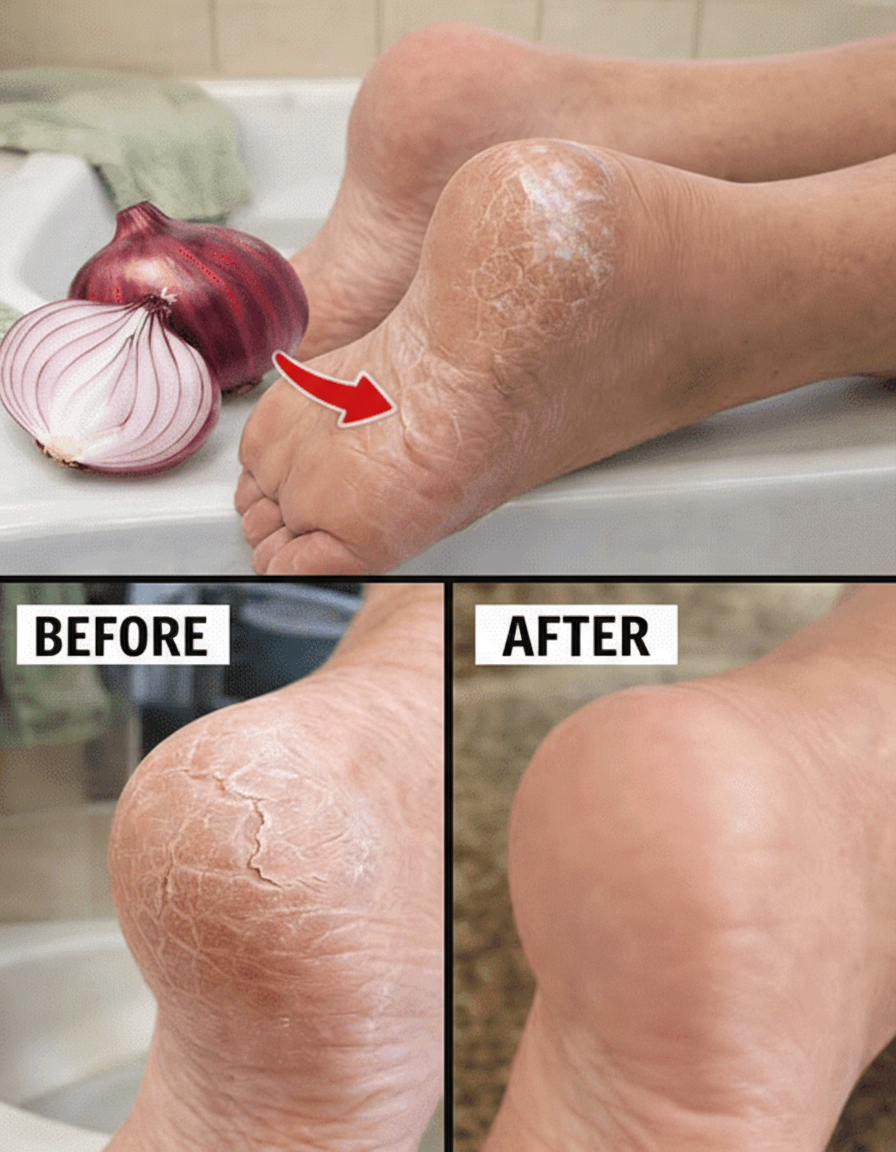
Yes, you read that correctly – onion! While it might seem unconventional, onions are rich in natural sulfur compounds and contain mild exfoliating acids. Although formal scientific research specifically on topical onion application for cracked heels is limited, it’s worth noting that sulfur-based ingredients are widely recognized and utilized in professional skincare formulations for their ability to support skin renewal and gentle exfoliation.
How Some Enthusiasts Use It:
- Blend half a red onion into a fine paste.
- Carefully apply this paste directly to the thickened, rough areas of your heels.
Due to its potent nature, it’s advisable to perform a patch test first and use this remedy cautiously, observing how your skin reacts. This surprising method offers an intriguing natural alternative for those seeking unique ways to address stubborn cracked heels.