 By admin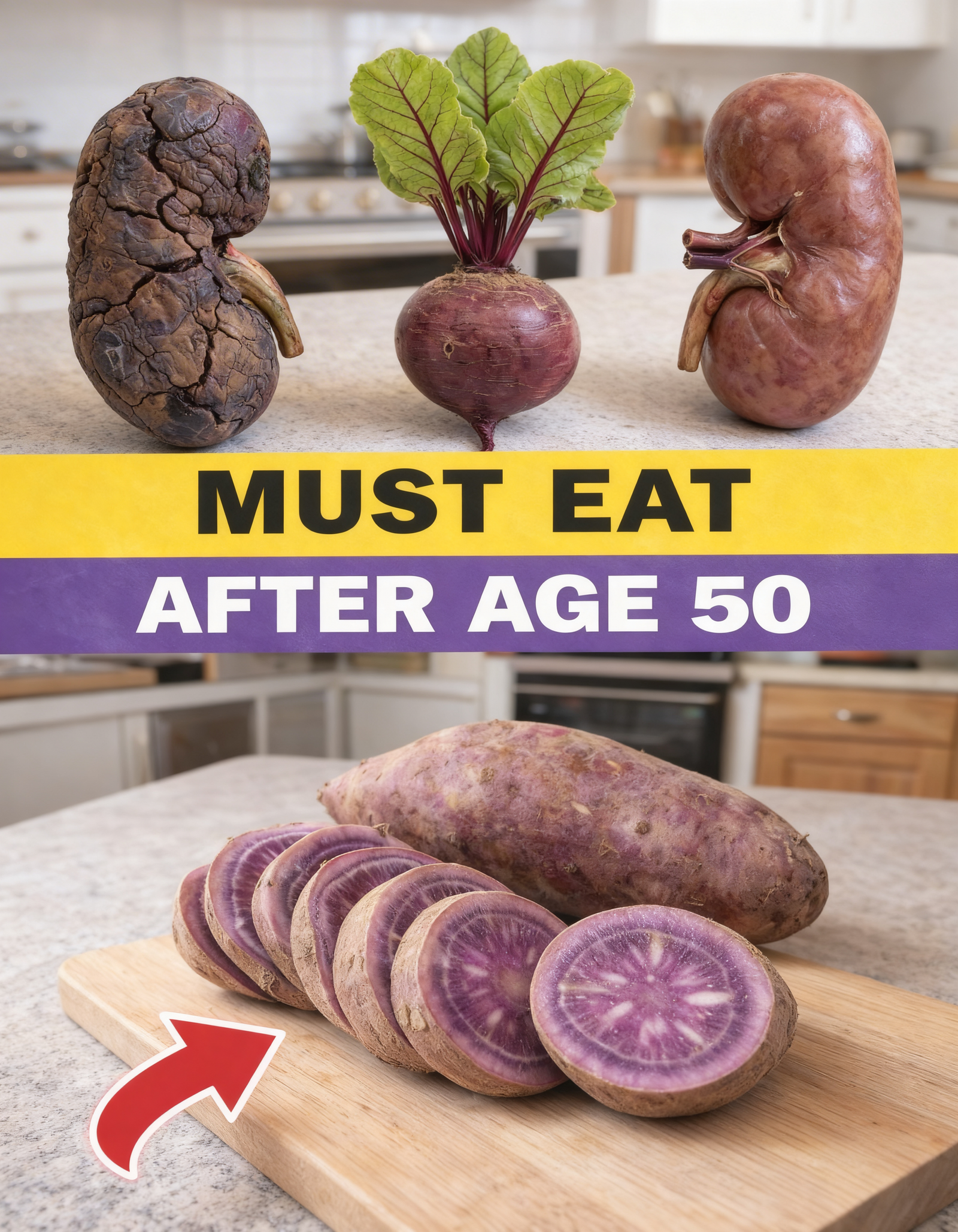
After 50, many people notice their energy levels dipping earlier in the day, bones feeling more fragile during everyday movements, and memory moments—like forgetting where the keys are—becoming more frequent. These changes can feel frustrating and worrying, making simple tasks tiring and reducing confidence in staying active and sharp. The good news is that incorporating certain nutrient-dense, natural foods into your daily routine can help support steady vitality, bone strength, and mental clarity as part of a balanced lifestyle.
But here’s the exciting part: research shows that consistent choices in whole foods rich in key nutrients—like antioxidants, healthy fats, calcium, vitamin D, and omega-3s—can make a noticeable difference over time.
In this article, we’ll explore 12 powerful natural foods backed by science to help you feel more energized, support stronger bones, and keep your mind sharp after 50. Stick around until the end for practical meal ideas and a surprising daily habit that ties them all together.

Why These Foods Matter After 50
As we age, our bodies become less efficient at absorbing certain nutrients, and natural declines in muscle mass, bone density, and brain cell communication can accelerate without support. Studies, including those on Mediterranean-style eating patterns, link diets high in fruits, vegetables, fatty fish, nuts, and dairy to better outcomes for energy, bone health, and cognitive function.
These 12 foods target those areas directly—providing sustained energy from complex carbs and proteins, bone-building minerals like calcium and magnesium, and brain-protective compounds like omega-3s and antioxidants.
1. Salmon: The Omega-3 Powerhouse
Salmon stands out for its high levels of EPA and DHA omega-3 fatty acids. Research from long-term studies associates regular fatty fish intake with lower risks of cognitive changes and better heart health, which indirectly supports overall energy.
Aim for 2-3 servings per week. Grilled or baked salmon keeps it simple and delicious.

2. Greek Yogurt: Bone and Muscle Support
Greek yogurt delivers high-quality protein (often 15-20g per serving) plus calcium and probiotics. Observational studies connect higher intakes of dairy protein with preserved muscle and bone health in adults over 50.
Choose plain, low-fat versions and top with fruit for natural sweetness.
3. Eggs: Brain-Boosting Choline
Eggs are rich in choline, a nutrient vital for brain function and memory. Recent reviews confirm that 1-2 eggs daily are safe for most people and support cognitive health.
Hard-boiled or scrambled—eggs are versatile and filling.
4. Leafy Greens (like Spinach or Kale): Nutrient-Dense All-Stars
Dark leafy greens provide vitamin K, folate, lutein, and nitrates. Multiple studies, including one in Neurology, link higher intake to slower cognitive decline and stronger physical function.
Add them to salads, smoothies, or sauté as a side.

5. Berries (Blueberries, Strawberries): Antioxidant Protection
Berries pack flavonoids and antioxidants that combat oxidative stress. Harvard research found that regular berry consumption (2+ servings weekly) may delay memory decline by years.
Fresh, frozen, or in yogurt—they’re naturally sweet and easy.
6. Nuts (Especially Walnuts): Healthy Fats and More
Walnuts offer omega-3s, vitamin E, and protein. Evidence ties nut consumption to better brain health and sustained energy.
A small handful daily makes a perfect snack.
7. Sweet Potatoes: Steady Energy Release
Sweet potatoes supply complex carbs, fiber, and beta-carotene (vitamin A precursor). Their low glycemic impact helps maintain balanced blood sugar for all-day energy.
Bake, mash, or roast them.
8. Black Beans: Plant Protein and Fiber
Black beans provide plant-based protein, iron, magnesium, and soluble fiber. Legume-rich diets are linked to better heart markers and steady vitality in older adults.
Add to soups, salads, or tacos.

9. Extra Virgin Olive Oil: Heart and Inflammation Support
This healthy fat is loaded with monounsaturated fats and polyphenols. The PREDIMED study showed benefits for cardiovascular health in Mediterranean diets.
Use it for cooking or dressings.
10. Turmeric (with Black Pepper): Anti-Inflammatory Ally
Curcumin in turmeric offers gentle inflammation support. Studies suggest it helps with joint comfort when paired with black pepper for better absorption.
Add to curries, teas, or golden milk.
11. Garlic and Onions: Everyday Inflammation Fighters
Both contain compounds like allicin and quercetin. Reviews associate regular intake with lower inflammatory markers.
Use generously in cooking for flavor and benefits.
12. Beets: Circulation and Stamina Boost
Beets are rich in nitrates that support blood flow. Research in older adults shows improved stamina from regular consumption.
Roast, juice, or add to salads.
Quick Comparison: How These Foods Target Your Goals
- For More Energy: Sweet potatoes, black beans, beets, Greek yogurt (steady fuel + protein).
- For Stronger Bones: Greek yogurt, leafy greens, salmon (calcium, vitamin K, D sources).
- For Sharper Memory: Salmon, eggs, berries, walnuts, leafy greens (omega-3s, choline, antioxidants).
Actionable Tips: How to Start Today
- Pick 3-4 foods from the list and add one new one each week.
- Build simple meals: Breakfast—Greek yogurt with berries; Lunch—salad with leafy greens, olive oil, and salmon; Dinner—sweet potatoes with black beans and garlic.
- Snack smart: A handful of walnuts or hard-boiled eggs mid-afternoon prevents energy crashes.
- Stay hydrated—pair with water-rich options like cucumbers if needed.
- Track how you feel after 1-2 weeks; many notice better digestion and pep first, with longer-term bone and brain support.
But that’s not all—here’s a game-changer: Combine these into a daily “power plate” with colorful veggies, protein, and healthy fats. Consistency beats perfection.
Conclusion
Incorporating these 12 natural foods can help support the energy, bone strength, and mental sharpness you want after 50. Small, enjoyable changes add up—backed by science showing whole-food patterns promote healthy aging.
Start small, listen to your body, and enjoy the process.
FAQ
Can I eat these foods if I have dietary restrictions, like diabetes?
Yes, most are low-glycemic and fiber-rich (e.g., beans, berries, sweet potatoes). Monitor portions and consult your doctor for personalized advice.
How long until I notice benefits?
Energy and digestion improvements often appear in 1-2 weeks; bone and cognitive support builds over months with consistency.
Are supplements better than food sources?
Whole foods provide synergistic nutrients and are generally preferred. Supplements may help if deficiencies exist—talk to a healthcare provider first.
Disclaimer: This article is for informational purposes only and not medical advice. Always consult your healthcare professional before making dietary changes, especially if you have health conditions or take medications. Individual results vary, and no food can guarantee specific health outcomes.