 By admin
 Experiencing unexplained fatigue, emotional fluctuations, or shifts in your menstrual cycle before the age of 40 can be a source of significant confusion and apprehension. Many women initially dismiss these changes as mere stress, the natural progression of aging, or the demands of a busy life. However, when these symptoms persist, impacting sleep quality, emotional well-being, and self-assurance, the underlying cause warrants attention. Often, the ambiguity surrounding these symptoms can be more distressing than the physical manifestations themselves. This comprehensive guide aims to demystify early menopause, equipping you with knowledge of its key indicators and practical lifestyle adjustments to foster greater stability and a sense of control.
What Is Early Menopause?
Early menopause is medically defined as the cessation of menstrual periods before the age of 45. While the typical age for menopause is around 51, some women may experience this transition much earlier, even before 40. True menopause is confirmed when a woman has gone 12 consecutive months without a menstrual period. Research from reputable organizations like the North American Menopause Society and findings in peer-reviewed journals indicate that various factors can contribute to early menopause, including genetic predispositions, autoimmune disorders, specific medical interventions (such as chemotherapy or ovarian surgery), or occasionally, no identifiable cause whatsoever. It’s crucial to understand that each woman’s journey through this phase is uniquely personal.
Significantly, the initial symptoms frequently emerge gradually during a preceding transitional stage known as perimenopause. Early recognition of these subtle signs is paramount, enabling timely consultation with healthcare professionals and the implementation of supportive lifestyle modifications.
10 Common Signs of Early Menopause
While not every woman will encounter all of these indicators, familiarity with these common signs can be instrumental in recognizing potential patterns and understanding your body’s signals.
1. Irregular Periods
Often, the initial and most prominent indicator of impending menopause is a shift in menstrual patterns. Your monthly cycles might become notably shorter or longer, or you may observe changes in flow, becoming either heavier or lighter than your norm. Skipping periods for a month only to experience a heavier flow subsequently is also common. This unpredictability in your menstrual cycle is primarily driven by fluctuating hormone levels.
2. Hot Flashes and Night Sweats
Sudden, intense sensations of heat, particularly across the face and upper body, are hallmark symptoms. These “hot flashes” can vary in duration, lasting anywhere from a few seconds to several minutes. When these occur during sleep, they are known as night sweats, frequently leading to sleep disturbances, which in turn can result in daytime fatigue and increased irritability. Scientific research consistently highlights that declining estrogen levels are a primary factor influencing these thermoregulatory shifts.
3. Mood Changes
Many women report an increase in anxiety, heightened irritability, or a general sense of low mood. Minor daily frustrations can suddenly seem disproportionately overwhelming. The intricate relationship between hormones and brain neurotransmitters, which govern mood regulation, means that hormonal fluctuations can significantly challenge emotional stability. This can be one of the more challenging aspects of early menopause.
4. Sleep Problems
Insomnia, characterized by difficulty initiating sleep or maintaining it throughout the night, is a frequent complaint. This issue is often exacerbated by night sweats, which can repeatedly interrupt sleep. Consequently, insufficient or fragmented sleep can intensify other menopausal symptoms, such as mood swings and impaired cognitive function, creating a challenging cycle.
5. Vaginal Dryness
A reduction in estrogen levels directly impacts the natural lubrication of the vaginal tissues, leading to dryness. This can manifest as discomfort during sexual activity or general irritation in daily life. Despite its prevalence, vaginal dryness is a symptom frequently overlooked or left undiscussed. Open communication with a healthcare provider is highly recommended to receive reassurance, explore treatment options, and find effective solutions.
6. Reduced Libido
A decrease in sexual interest or desire, often referred to as reduced libido, is a common experience during early menopause. This can stem from a combination of factors, including significant hormonal fluctuations, persistent fatigue, emotional stress, and the physical discomfort associated with vaginal dryness. It is crucial for women to understand that this is a widespread physiological response and not indicative of a personal shortcoming or failing.
7. Difficulty Concentrating (Brain Fog)
Many women liken this symptom to a persistent “brain fog,” characterized by challenges in maintaining focus, struggling with recall of minor details, or a general sensation of mental sluggishness. Research indicates that the hormonal shifts occurring during perimenopause and early menopause can indeed impact memory function and overall cognitive processing, particularly during these transitional years.
8. Weight Changes
A noticeable increase in weight, particularly around the abdominal area, is a frequent concern, even when dietary habits and exercise routines remain largely consistent. This phenomenon is partly attributed to a natural slowing of metabolism with age, compounded by hormonal fluctuations that influence the body’s fat distribution and storage mechanisms.
9. Thinning Hair and Dry Skin
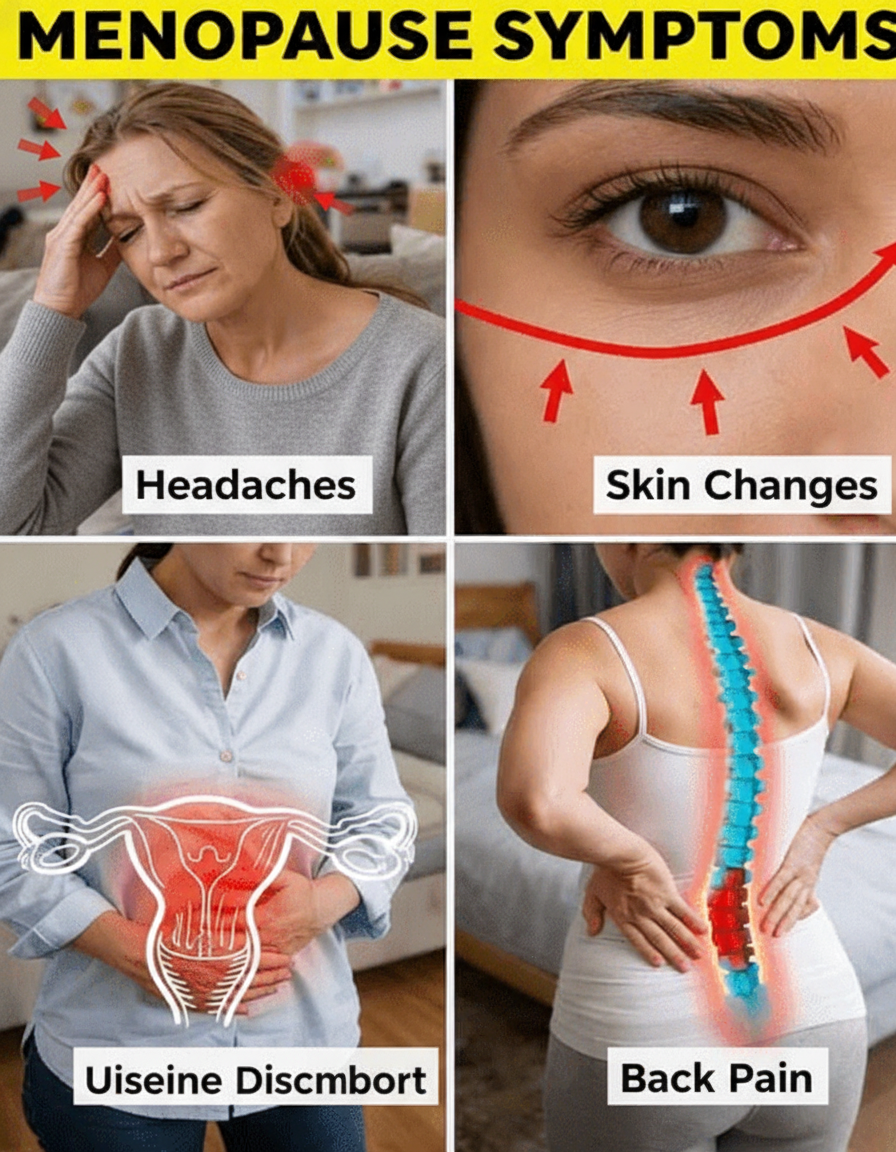
Estrogen plays a vital role in maintaining skin elasticity, hydration, and healthy hair growth. Consequently, diminished estrogen levels can result in noticeably drier skin and a gradual thinning of hair. While these changes may initially appear subtle, their cumulative effect can significantly impact a woman’s self-confidence and body image over time.
10. Joint and Muscle Discomfort
Many women report increased aches, stiffness, and general discomfort in their joints and muscles, often most pronounced in the mornings. Although the natural aging process certainly contributes, hormonal shifts during early menopause are also believed to influence inflammatory responses and enhance joint sensitivity, exacerbating these symptoms.
Early Menopause Versus Typical Menopause
Grasping the distinctions between early menopause and typical menopause can provide invaluable clarity and inform proactive health management. Fundamentally, the earlier a woman enters menopause, the longer her body will experience the effects of reduced estrogen levels. This extended period of lower estrogen can have significant implications for long-term health, particularly concerning bone density and cardiovascular well-being.
| Feature | Early Menopause | Typical Menopause |
|---|---|---|
| Average Onset Age | Occurs before the age of 45 | Typically around age 51 |
| Emotional & Psychological Impact | Frequently more surprising, potentially leading to greater stress and emotional distress due to its unexpected nature. | Generally more anticipated, allowing for better psychological preparation. |
| Long-Term Health Implications | Involves a significantly longer duration of reduced estrogen exposure, increasing risks for conditions like osteoporosis and heart disease. | Entails a shorter post-menopausal period of low estrogen, with standard age-related health considerations. |
| Medical Monitoring & Management | Often necessitates more diligent medical oversight and personalized management strategies due to extended health risks. | Typically managed with standard preventive care and general health screenings. |