 By admin
 Experiencing stiff legs, persistent knee aches, or a sense of sluggishness when transitioning from sitting to standing can gradually diminish the pleasure of daily activities. For many older adults, simple tasks like a leisurely walk to the mailbox or navigating a flight of stairs may feel increasingly challenging. This decline in physical ease can be disheartening, and prolonged inactivity often impacts crucial aspects of health, including **balance**, healthy **circulation**, and overall self-assurance. Fortunately, a single, gentle, floor-based leg exercise offers a powerful solution to simultaneously bolster multiple facets of your well-being. Stick around for a subtle technique refinement at the end of this guide that will make this movement even more impactful.
Why Lower Body Strength and Healthy Circulation Become Crucial with Age
As we advance in years, our bodies undergo natural physiological shifts, including a gradual reduction in **muscle mass**, decreased **joint flexibility**, and changes in blood flow dynamics. Scientific studies indicate that adults can experience a small but significant loss of muscle tissue with each passing decade post-midlife, particularly in the absence of consistent physical activity. This reduction in muscle engagement directly contributes to diminished physical **stability** and often results in sluggish **circulation** throughout the lower extremities.
The implications extend further. When the vital muscles in your hips and thighs weaken, routine actions like effortlessly rising from a chair or maintaining steady footing on uneven surfaces can become noticeably more difficult. Furthermore, extended periods of sitting can exacerbate issues, leading to stiffness and a persistent feeling of tightness in the lower back and around the knees. The promising news, however, is that even straightforward, **low-impact movements** can effectively stimulate muscle groups, promote robust blood flow, and foster greater **joint comfort** when incorporated regularly into your routine.
Introducing the Accessible Leg Raise Exercise for Older Adults
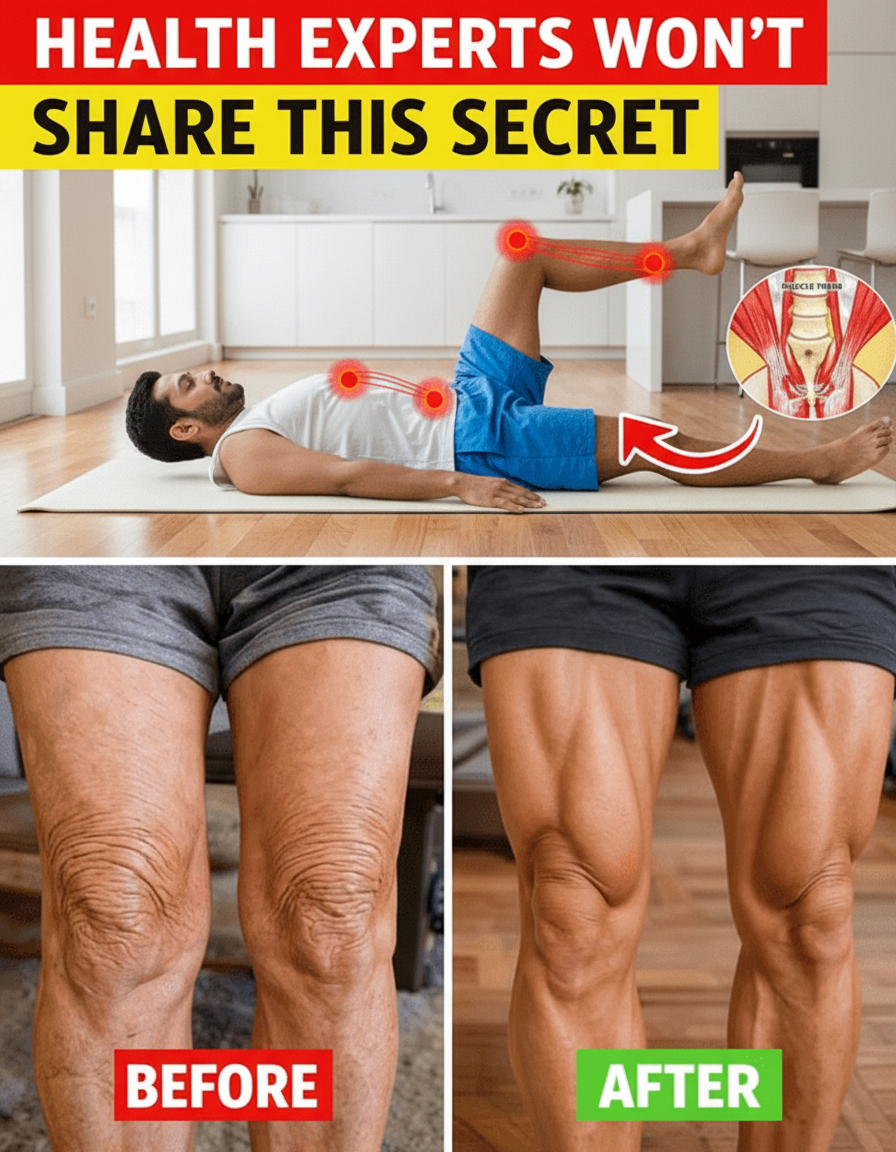
This beneficial movement, commonly known as a **lying leg raise** or a **supported leg lift**, stands out for its simplicity and accessibility. It requires absolutely no specialized equipment, making it perfect for practice in the comfort of your own home, either on a firm bed or a dedicated exercise mat. The fundamental concept is straightforward: you recline comfortably on your back, with one knee bent and its foot flat on the surface, while the other leg remains fully extended. From this position, you gently and slowly elevate the straight leg a short distance from the floor, pause momentarily, and then deliberately lower it back down with controlled precision. While its execution might seem deceptively simple, this very ease is often the secret to establishing a sustainable and consistent fitness habit.
Multifaceted Benefits of This Gentle Leg Raise for Overall Wellbeing
While no single exercise can address every health challenge, incorporating this specific **leg raise** into a holistic, healthy lifestyle can significantly contribute to several vital bodily functions. Its benefits include:
- Targeted Muscle Engagement: Actively stimulates and strengthens muscles in the thighs and hips, crucial for lower body power.
- Enhanced Circulation: Facilitates improved blood flow throughout the lower limbs, supporting overall vascular health.
- Improved Joint Mobility: Gently supports and enhances flexibility and range of motion in the hips and knees, reducing stiffness.
- Better Balance and Stability: By reinforcing key stabilizing muscles, it helps maintain and improve your sense of **balance**, reducing fall risk.
- Core Muscle Activation: When executed with correct form, it subtly engages your **core muscles**, contributing to spinal support and overall stability.
What makes this exercise particularly effective is its controlled and deliberate nature. This methodical execution ensures activation of both the prominent quadriceps (front thigh muscles) and the smaller, yet equally crucial, stabilizing muscles surrounding the hips. These muscle groups are instrumental in maintaining good **posture** and ensuring confident **walking stability**. Research on **resistance training** among older adults consistently demonstrates that even moderate, consistent **strength exercises** can lead to measurable improvements in overall **mobility** and functional capabilities over time. The overarching principle here is not intense exertion, but rather unwavering consistency.
Step-by-Step Guide: Mastering the Leg Raise Safely
Let’s break down this effective exercise into clear, actionable steps to ensure proper form and maximum benefit.
Step 1: Optimal Starting Position
Begin by lying comfortably on your back on a surface that is both supportive and firm, such as an exercise mat or a sturdy bed. Bend your left knee, ensuring your foot is placed flat on the floor. Simultaneously, keep your right leg fully extended and straight. Position your arms gently by your sides, with your palms facing downwards, providing subtle support and stability.
Step 2: Gentle Core Activation
Prior to initiating the leg lift, engage your abdominal muscles with a light, controlled contraction, similar to how you would brace before a gentle cough. Crucially, remember to breathe naturally; avoid holding your breath. This preparatory step is vital for safeguarding your lower back throughout the movement.
Step 3: Controlled Upward Lift
Slowly and deliberately elevate your straight leg approximately 8 to 12 inches (20-30 cm) from the floor. It’s important to keep the knee straight, but avoid locking it rigidly. Your toes should ideally point towards the ceiling. Hold this elevated position for a brief two to three seconds, all while maintaining steady, normal breathing.
Step 4: Gradual Lowering Phase
With the same control and deliberation, gently lower your leg back to the starting position. This controlled lowering phase is just as critical as the upward lift, as it continues to engage and strengthen the targeted muscles. Aim for 8 to 10 repetitions on one leg before switching to the other. If you are new to this exercise, begin with one set per leg. As your strength and confidence grow, you can progressively increase to two or three sets.
Expert Tip: Enhance Muscle Engagement
Here’s a subtle yet powerful adjustment that can significantly boost the exercise’s effectiveness: at the peak of the lift, instead of merely thinking about lifting your leg upwards, visualize actively lengthening your leg away from your body. This nuanced mental cue helps to more fully activate the entire thigh musculature without placing undue strain on the hip joint.
Common Mistakes to Avoid for Maximum Effectiveness
Even the most straightforward exercises can lose their effectiveness or potentially cause strain if not performed correctly. Be mindful of these frequent errors to ensure you reap the full benefits of the **leg raise**:
- Excessive Lower Back Arching: Avoid creating a large gap between your lower back and the floor. This indicates your core isn’t properly engaged and can strain your spine.
- Holding Your Breath: Maintain a steady, rhythmic breathing pattern throughout the exercise. Holding your breath can increase blood pressure and reduce oxygen flow to muscles.
- Lifting the Leg Too High: Raising the leg beyond the recommended height often leads to a loss of control and can place unnecessary stress on the hip flexors and lower back.
- Rushing the Movement: Resist the urge to move too quickly. The power of this exercise lies in slow, controlled motion, which ensures optimal muscle engagement and avoids momentum-based lifting.
By paying attention to these details, you can ensure a safe, effective, and beneficial leg raise practice.