 By admin
 Baking Soda for Skin: Unlocking Natural Exfoliation for Improved Texture and Radiance
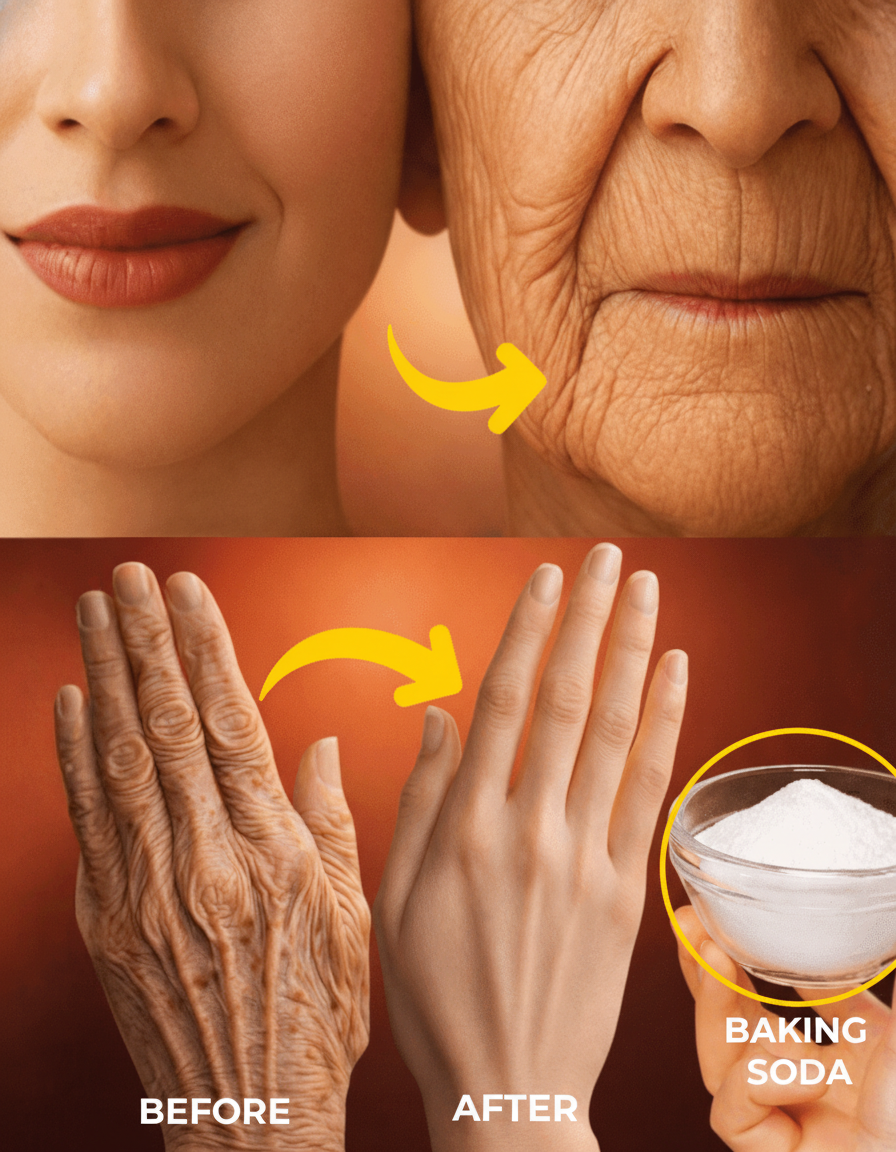
As we navigate life’s journey, especially for women over 60, witnessing subtle shifts in skin texture and the emergence of visible signs of aging becomes a daily reality. The cumulative effects of sun exposure, daily environmental stressors, and the natural decline in collagen production often manifest as dullness, rough patches, and fine lines, which can sometimes impact one’s self-assurance. While the beauty market offers an array of high-priced creams and advanced treatments promising rapid results, a growing number of individuals are exploring gentle, budget-friendly solutions found right in their pantry.
Baking soda, scientifically known as sodium bicarbonate, is a household staple that has recently garnered attention in natural beauty circles. It’s often discussed for its potential as a mild exfoliating agent when used judiciously. Could this everyday ingredient truly become a valuable addition to your soothing at-home skincare regimen? Join us as we delve into the science behind baking soda’s interaction with skin, explore its synergy with other natural components in DIY masks, and provide essential application tips and critical safety warnings.
Understanding Baking Soda’s Skincare Potential
Baking soda (sodium bicarbonate) possesses a unique combination of properties: it is mildly abrasive and distinctly alkaline. Research indicates that it can function as a gentle physical exfoliant, effectively aiding in the removal of dead skin cells from the skin’s uppermost layer, thereby promoting a temporarily smoother feel. Historically, its pH-balancing qualities in water have also been noted for soothing minor skin irritations, such as in therapeutic baths for conditions like eczema or psoriasis.
However, many dermatologists issue a significant caution: baking soda’s high pH (typically around 9) stands in stark contrast to the skin’s natural acidic mantle (which hovers between 4.5–5.5). Frequent or improper application of baking soda on the skin can potentially disrupt this delicate skin barrier, leading to undesirable effects such as excessive dryness, heightened irritation, or increased sensitivity. Experts consistently emphasize that robust scientific evidence supporting its anti-aging claims is limited, and any observed benefits are generally superficial and transient. The paramount principle for its use is moderation, coupled with thoughtful integration alongside moisturizing ingredients to mitigate any potential drying effects.
Why Exfoliation is Crucial for Aging Skin
With advancing age, the natural process of cellular turnover gradually decelerates. This slowdown results in a persistent accumulation of dead skin cells on the surface, which can contribute to a dull, lackluster complexion and an uneven skin tone. Incorporating gentle exfoliation into your routine can significantly contribute to a brighter, softer, and more vibrant appearance by encouraging the emergence of fresh, new skin cells.
When combined with deeply hydrating elements, exfoliation can also help the skin feel more plump, supple, and thoroughly refreshed. Many revered traditional beauty practices, including those inspired by ancient Asian rituals, have long embraced natural exfoliants to cultivate a healthy glow. While baking soda isn’t directly linked to historical practices like those of geishas (who often utilized ingredients such as rice bran, camellia oil, or green tea), the underlying philosophy of leveraging simple, natural ingredients for skin enhancement resonates deeply across diverse cultures and throughout history.
5 Simple Baking Soda Mask Ideas for a Radiant Glow
Here are gentle, at-home mask suggestions that combine baking soda with hydrating or antioxidant-rich ingredients. Always perform a patch test on a small, inconspicuous area of your inner arm for 24 hours to ensure no adverse reactions before applying to your face.
Baking Soda + Cocoa Powder Mask
Combine 1 teaspoon of baking soda with 1 teaspoon of unsweetened cocoa powder and just enough water to form a smooth, spreadable paste. Cocoa is renowned for its rich flavonoid content, offering powerful antioxidant support that can potentially aid the skin’s natural regenerative processes. Apply this mixture to your face for 5–10 minutes, then rinse thoroughly. This mask may leave your skin feeling noticeably softer and contribute to a more even-toned complexion.
Baking Soda + Glycerin Mask
Mix 1 teaspoon of baking soda with 1 teaspoon of vegetable glycerin, a well-known humectant that excels at attracting and retaining moisture in the skin. Gently massage the blend onto your skin for 1–2 minutes. While baking soda provides a light exfoliating action, the glycerin works to hydrate deeply, promoting a smoother and more supple skin texture.
Baking Soda + Honey + Lemon Mask
Carefully blend 1 teaspoon of baking soda, ½ teaspoon of raw honey (valued for its soothing properties and natural antioxidants), and a few drops of fresh lemon juice (a source of brightening vitamin C). The interaction between the baking soda and lemon juice will create a mild fizz, which may produce a gentle tingling sensation. Rinse off the mask after 10 minutes to reveal a refreshed and invigorated look.
Baking Soda + Avocado Oil Mask
Stir 1 teaspoon of baking soda into 1 teaspoon of nourishing avocado oil. The rich fatty acids present in avocado oil deeply moisturize and nourish the skin, while the baking soda delicately buffs away roughness and dead skin cells. Use this mask sparingly to prevent any potential over-drying.
Baking Soda + Coffee Grounds Mask
Combine 1 teaspoon of baking soda with used coffee grounds. The fine texture of the coffee grounds provides gentle physical exfoliation, and the caffeine content can stimulate microcirculation, helping to invigorate dull skin. This combination can promote a more radiant and energized appearance.
Quick Comparison: Baking Soda Masks vs. Common Skincare Concerns
| Concern | Traditional Approach (Often Costly) | Baking Soda Mask Potential Benefit (Gentle Use) |
|---|---|---|
| Rough or dull texture | Harsh physical scrubs or chemical peels | Mild surface exfoliation for a temporarily smoother feel |
| Uneven tone or minor spots | High-potency brightening serums or laser treatments | Temporary brightening effect when combined with other beneficial ingredients |
| Dry, crepey areas | Intensive, heavy-duty moisturizers | Enhanced hydration when thoughtfully paired with natural oils or honey |
| General lack of glow | Professional LED light therapy or spa facials | A refreshing and accessible at-home ritual to revitalize the complexion |
30-Day Gentle Skincare Routine Suggestion
Follow this flexible plan, always adjusting based on your skin’s unique response and sensitivity:
- Week 1: Focus on Exfoliation + Hydration (Try the cocoa or glycerin masks 2–3 times during the week, allowing 2-3 days between applications. Always follow with a good moisturizer.)
- Week 2: Introduce Gentle Brightening (Incorporate the honey-lemon or coffee masks 2 times this week. Continue with consistent hydration and sun protection.)
- Week 3: Nourish & Refine (Utilize the avocado oil mask 1-2 times, focusing on gentle nourishment. If desired, repeat a favorite exfoliating mask once, ensuring your skin feels comfortable and not irritated.)
- Week 4: Maintain & Observe (Continue with your preferred mask, no more than once or twice, paying close attention to your skin’s texture and overall health. This is a good time to assess long-term compatibility.)
Important Safety Considerations and When to Be Cautious
While baking soda offers an intriguing natural option, it’s crucial to approach its use in skincare with a full understanding of its limitations and potential risks:
- pH Imbalance: As discussed, baking soda’s alkalinity can disrupt the skin’s natural acidic mantle, potentially compromising its protective barrier and leading to dryness, redness, or increased sensitivity.
- Not for Daily Use: Due to its abrasive and alkaline nature, baking soda masks are not suitable for daily application. Limit use to 1-2 times per week at most, and always observe how your skin reacts.
- Patch Test is Essential: Never skip the patch test. Apply a small amount of the prepared mask to an inconspicuous area (like behind the ear or on the inner arm) and wait 24 hours for any signs of irritation before applying to your face.
- Avoid Broken or Irritated Skin: Do not use baking soda on skin that is broken, inflamed, or suffering from conditions like severe acne, rosacea, or open wounds.
- Sun Sensitivity: Ingredients like lemon juice can increase sun sensitivity. Always use a broad-spectrum SPF daily, especially after using such masks.
- Consult a Professional: If you have persistent skin concerns, sensitive skin, or are undergoing other dermatological treatments, it is always best to consult with a dermatologist before introducing new DIY remedies like baking soda masks into your routine.
Baking soda can serve as a gentle, temporary exfoliant for those seeking natural, at-home solutions, particularly for mature skin. However, it is by no means a miracle cure for anti-aging and requires careful, informed application. By understanding its properties, adhering to safety guidelines, and listening to your skin, you can explore whether this humble pantry staple earns a place in your mindful skincare journey.