 By admin
 13 Everyday Signs of Poor Blood Circulation You Can’t Afford to Miss
Do you frequently find your hands chilly, even in a comfortable room? Perhaps you experience unexplained tingling sensations or a persistent heaviness in your legs by day’s end. While these minor annoyances might initially seem insignificant and easy to dismiss, they can subtly but significantly impact your energy levels, cognitive focus, and general well-being over time. Fortunately, our bodies are adept at signaling potential issues long before they escalate. Recognizing these early, often subtle, indicators of impaired blood flow can be a crucial step toward proactive self-care, particularly as we delve into the comprehensive list ahead.
Why Healthy Blood Flow Is More Critical Than You Imagine
Your circulatory system performs a vital role, acting as the body’s intricate highway network for delivering oxygen, essential nutrients, and crucial hormones to every cell and tissue. When this critical system falters, and blood flow becomes compromised, various bodily tissues can become deprived of the resources they need to operate at their best. Extensive research, frequently highlighted in prominent cardiovascular journals, underscores how robust blood circulation is fundamental for optimal brain function, peak muscle performance, and efficient thermoregulation. Even a slight dip in circulatory efficiency can profoundly affect how you feel and function day-to-day. Intriguingly, many individuals encounter these nascent warning signs without fully grasping their underlying significance. Let’s delve into these indicators one by one.
1. Persistent Cold Hands and Feet
A common and telling sign of suboptimal blood circulation is experiencing frequently cold fingers and toes, often feeling distinctly colder than your torso or other body parts. When your circulatory system isn’t functioning efficiently, warm blood struggles to reach these furthest extremities. This symptom tends to become particularly pronounced in cooler surroundings. While occasional coldness can be normal, a persistent, unexplained cold sensation in your hands and feet warrants closer examination as it often points to diminished peripheral blood flow.
2. Frequent Tingling or “Pins and Needles”
The familiar “pins and needles” or buzzing sensation in your hands or feet can certainly occur after maintaining a static position for an extended period. However, if this tingling sensation emerges frequently without any apparent reason, it could signal that your peripheral nerves are not consistently receiving the oxygen and nutrients they require. Such alterations in sensation are often among the most subtle, yet earliest, indicators of compromised circulation.
3. Numbness or Loss of Sensation in Limbs
Distinct from tingling, numbness manifests as a diminished or complete lack of sensation to touch, pressure, or temperature in your limbs. Clinical observations suggest that inadequate blood flow can temporarily impair nerve responsiveness, leading to this feeling of deadness. Should you experience recurrent episodes of numbness, particularly in your arms or legs, it is highly advisable to seek consultation with a qualified healthcare professional to investigate the underlying cause.
4. Swelling (Edema) in Feet and Ankles
The accumulation of fluid in the lower extremities, commonly known as edema, often occurs when your circulatory system struggles to effectively return blood from your legs back towards the heart, working against gravity. This can manifest as:
- Noticeable puffiness or bloating around the ankles and feet.
- Shoes feeling unusually tight or uncomfortable.
- Visible indentations left on the skin by socks or tight clothing.
While various conditions can cause swelling, impaired blood circulation, particularly venous insufficiency, is a significant potential contributor.
5. Unexplained or Persistent Fatigue
This particular symptom is frequently underestimated: a feeling of profound tiredness that doesn’t seem to correlate with your activity levels or sleep patterns. When your muscles and vital organs are consistently deprived of oxygen-rich blood due to poor circulation, their ability to produce energy diminishes significantly. Consequently, you might experience unusual and persistent fatigue, even after getting sufficient rest. While chronic fatigue can stem from numerous factors, inefficient blood flow is certainly a key consideration.
6. Delayed Healing of Minor Wounds
Under normal circumstances, small cuts, scrapes, and bruises tend to heal relatively quickly, thanks to efficient blood flow. Blood plays a crucial role in this process by delivering essential nutrients, oxygen, and immune cells directly to the site of injury, facilitating tissue repair and fighting off infection. If you observe that minor skin injuries or superficial wounds are taking an uncharacteristically long time to heal or improve, it could be an indication that your circulatory system is not adequately supporting the body’s natural repair mechanisms.
7. Noticeable Changes in Skin Color
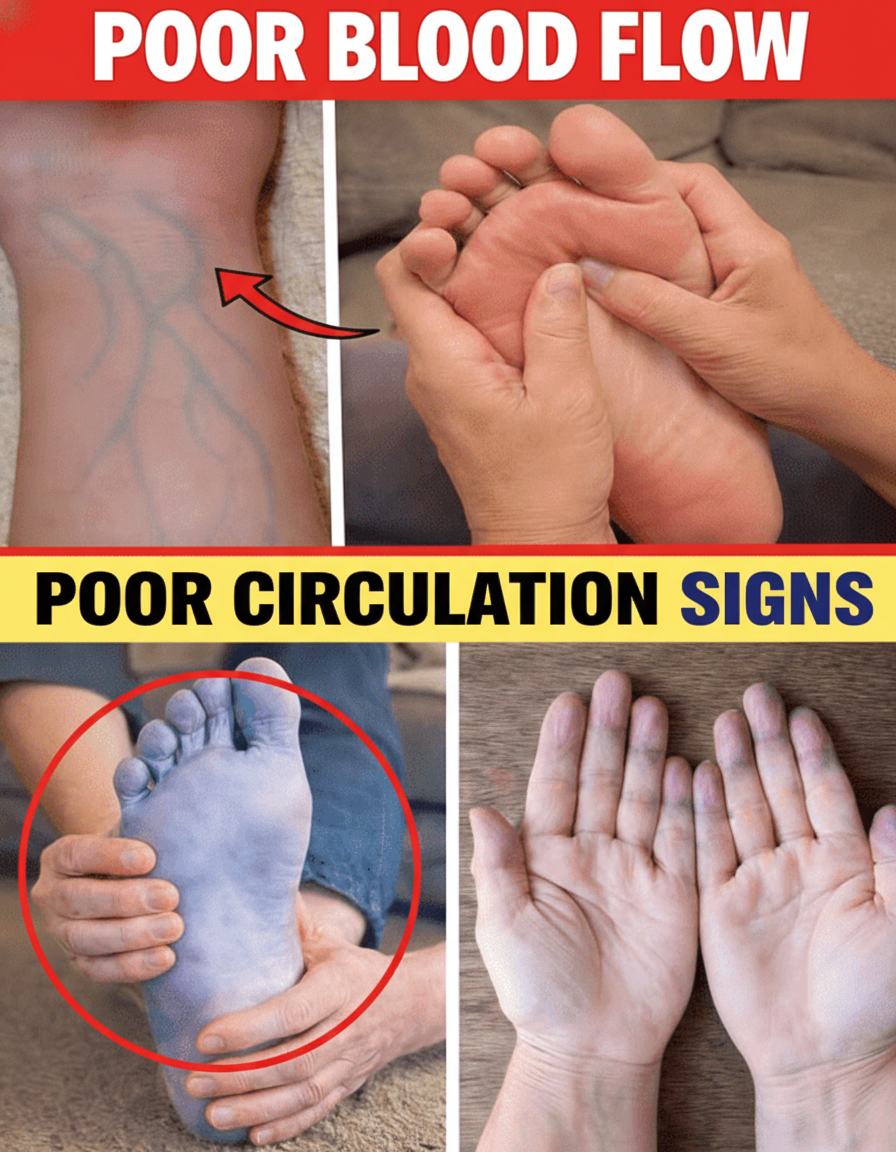
Fluctuations or reductions in blood flow can often lead to visible alterations in your skin’s appearance, particularly in the affected areas. You might notice your skin appearing unusually pale, taking on a slightly bluish (cyanotic) tint, or displaying an uneven, mottled tone. Specific observations often include:
- Abnormal paleness in the fingers or hands.
- A bluish or purplish discoloration, especially on the toes.
- Patchy or splotchy skin tone.
These color changes tend to become more pronounced and easier to spot when exposed to colder temperatures, as constricted blood vessels further restrict superficial blood flow.
8. Muscle Cramping or Pain During Activity (Claudication)
Experiencing sharp, aching, or cramping pain in your calves, thighs, or buttocks specifically during physical exertion like walking or exercising can be a significant indicator of impaired blood flow. This condition, known as claudication, occurs because muscles are not receiving enough oxygenated blood to meet their demands during activity. Research in the field of vascular health consistently links limited circulation to discomfort during physical activity. Furthermore, muscle tightness or weakness that consistently eases with rest, only to return with renewed movement, is another subtle but important warning sign of inadequate arterial blood supply.
9. Unexplained Hair Thinning or Loss on Legs
This particular sign might come as a surprise to many. The health and growth of your hair follicles are directly dependent on a consistent supply of nutrients and oxygen delivered via blood. When there’s a diminished blood supply to these follicles, particularly in the lower legs, it can lead to noticeable changes in hair growth patterns over time, including thinning or complete loss of hair. While numerous factors can influence hair health and changes, compromised circulation stands as a significant potential contributor, especially in the extremities.
10. Brittle Nails or Noticeably Slow Nail Growth
Similar to hair, your fingernails and toenails depend heavily on a steady supply of nutrients, which are transported through tiny blood vessels to the nail beds. If circulation is suboptimal, this vital nutrient delivery can be compromised, leading to changes in nail health. You might observe:
- Nails that become unusually brittle and prone to breaking or splitting.
- A distinct reduction in the rate of nail growth.
- A dull, unhealthy, or discolored appearance of the nails.
Although these signs can be subtle, they can be meaningful indicators of underlying circulatory challenges.
11. Persistent Digestive Issues
The efficiency of your digestive system is also intricately linked to adequate blood circulation. Your digestive organs, like all other parts of your body, require a robust supply of oxygen and nutrients to function correctly. When blood flow to the gut is not optimal, some individuals may experience a range of uncomfortable digestive symptoms, including chronic bloating, abdominal pain, or irregular bowel movements. Emerging research increasingly highlights the crucial role that healthy vascular function plays in overall gastrointestinal performance and metabolic processes.
12. Brain Fog, Memory Issues, or Difficulty Concentrating
Your brain is an incredibly demanding organ, requiring a constant and ample supply of oxygen and glucose, both delivered via blood. Consequently, even a slight reduction in cerebral blood flow can significantly impair cognitive function. If you find yourself frequently experiencing “brain fog,” struggling with memory recall, or having persistent difficulty concentrating on tasks, it could be a sign that your brain isn’t receiving the consistent oxygen supply it needs. This cognitive impairment can impact daily productivity and overall mental clarity.
13. Non-Healing Sores or Skin Ulcers
A more severe and concerning sign of profoundly impaired blood circulation, particularly in the lower extremities, is the development of sores or ulcers that are extremely slow to heal or simply refuse to close. When blood flow is severely restricted, the skin and underlying tissues become starved of oxygen and nutrients, making them highly vulnerable to injury and significantly hindering their ability to repair themselves. These non-healing wounds, often appearing on the feet, ankles, or legs, are a critical warning sign and require immediate medical attention, as they can indicate advanced peripheral artery disease or other serious circulatory problems.