 By admin
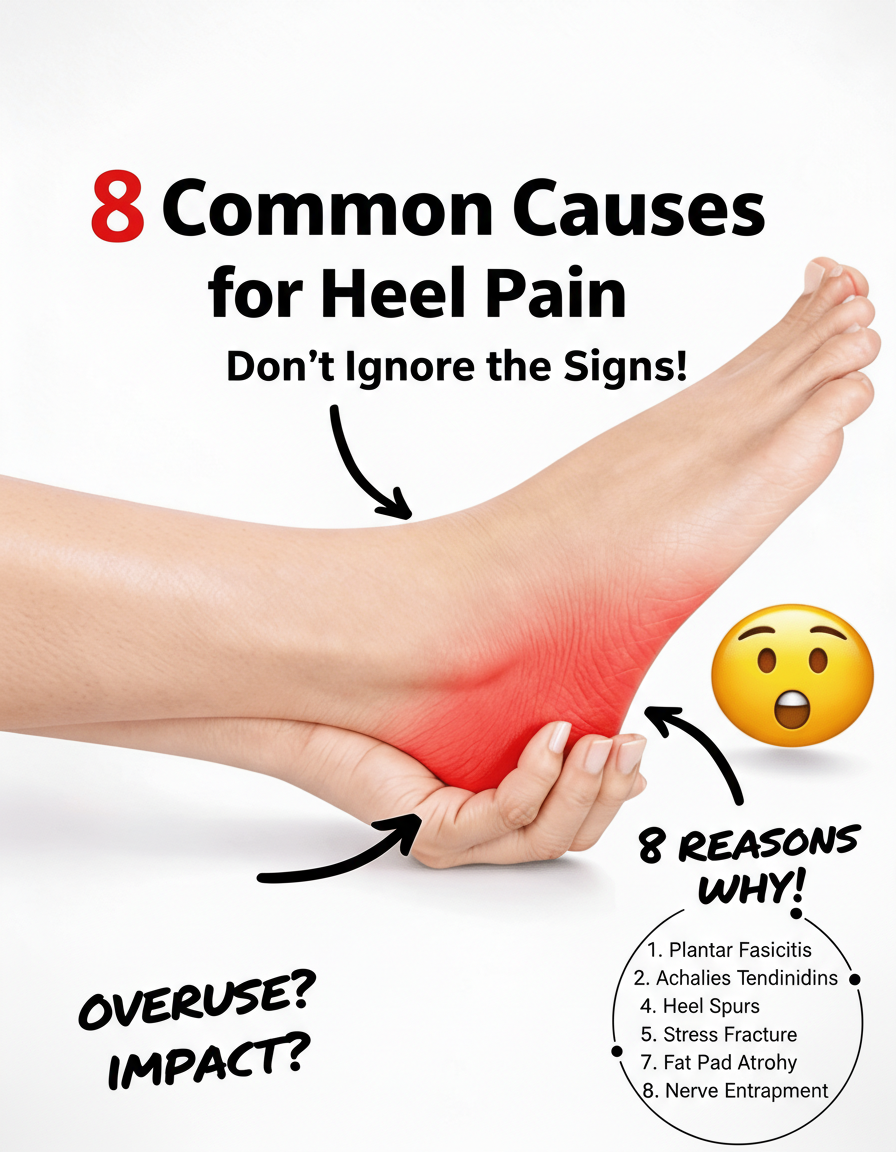
 Decoding Heel Pain: 8 Common Causes, Their Symptoms, and Strategies for Lasting Relief
Heel pain is a pervasive issue that can transform routine activities into a painful struggle, significantly impacting your daily life, professional commitments, and cherished hobbies. This persistent discomfort, whether manifesting as a sharp, sudden jolt with your first morning steps or a nagging ache that intensifies throughout the day, frequently originates from common daily practices, excessive strain, or deeper health concerns that place undue pressure on the calcaneus—the largest bone in your foot. The empowering news is that identifying these prevalent triggers equips you with the knowledge to implement effective strategies for alleviating soreness and regaining comfortable mobility. However, a crucial factor often goes unnoticed: a particular habit might be inadvertently prolonging your heel discomfort. We’ll uncover this overlooked culprit later in the article.
What Is Heel Pain and Why Does It Occur?
Your heel is a critical component of your foot’s biomechanics, enduring immense forces with each stride, supporting your entire body weight, and acting as a lever for propulsion. When the intricate network of tissues, tendons, or bones within this region experiences irritation, inflammation, or excessive loading, heel pain can manifest—either progressively or with sudden onset. Reputable health organizations indicate that millions worldwide suffer from this condition, which is frequently associated with an accumulation of lifestyle factors rather than a singular traumatic incident. Early identification of these underlying patterns is key to preventing the discomfort from evolving into a chronic problem.
1. Plantar Fasciitis – The Foremost Cause of Heel Pain
Plantar fasciitis stands out as the most prevalent diagnosis for heel pain among adults. This condition involves inflammation or irritation of the plantar fascia, a robust ligamentous band extending across the sole of your foot, connecting your heel bone to your toes, and providing crucial support for your foot’s arch.
- Symptoms: Individuals typically experience a sharp, piercing pain located at the bottom of the heel, particularly pronounced with the very first steps out of bed in the morning or after extended periods of rest. While the pain might lessen slightly with continued movement, it frequently resurfaces following prolonged standing or activity.
- Reasons: Contributing factors include repetitive stress from activities like running, prolonged standing on unforgiving surfaces, restricted flexibility in the calf muscles, biomechanical issues such as flat feet or excessively high arches, and wearing footwear lacking proper support. Additionally, increased body weight can exert amplified stress on the plantar fascia. Simple lifestyle modifications often provide relief, emphasizing the importance of consistent adherence.
2. Achilles Tendinitis – Discomfort at the Posterior Heel
This ailment involves the Achilles tendon, the body’s largest and strongest tendon, which forms a vital connection between your calf muscles and the calcaneus (heel bone).
- Symptoms: Common signs include tenderness, a noticeable stiffness, and a persistent ache situated at the rear of the heel or extending into the lower calf. These symptoms typically intensify with physical exertion, such as ascending stairs or engaging in running. In more severe instances of irritation, localized swelling might become apparent.
- Reasons: Factors contributing to Achilles tendinitis often involve abrupt escalations in physical activity, chronically tight calf muscles, or the cumulative stress from repetitive impact sports like running or jumping. Inappropriate footwear or insufficient warm-up routines before exercise can also play a significant role. Studies underscore that a progressive approach to training is crucial for preventing this common overuse injury.
3. Heel Bursitis – Inflammation of Cushioning Sacs
Bursae are minuscule, fluid-filled sacs strategically positioned throughout the body to minimize friction between bones, tendons, and muscles. When a bursa located near the heel becomes inflamed, the condition is known as heel bursitis.
- Symptoms: Sufferers typically experience pain and localized swelling, either at the posterior aspect or underneath the heel. This area often feels acutely tender when direct pressure is applied, such as during walking or when wearing restrictive shoes.
- Reasons: Causes frequently include sustained repetitive pressure, wearing poorly fitting shoes (particularly those with rigid or unyielding heel counters), or prolonged periods of standing. It’s worth noting that heel bursitis can sometimes coexist or be mistaken for other conditions, including issues related to the Achilles tendon.
4. Stress Fractures – Microscopic Breaks from Repetitive Strain
Stress fractures represent minute cracks in a bone, in this context, the calcaneus (heel bone). Unlike acute breaks from a single traumatic event, these fractures are the result of cumulative, repetitive impact and excessive stress.
- Symptoms: The pain usually develops gradually, presenting as a deep, aching or throbbing sensation that markedly worsens with activities involving weight-bearing and typically lessens with rest. Localized swelling and tenderness to the touch may also become apparent.
- Reasons: Common culprits include sudden, dramatic increases in the intensity or duration of physical activity, consistently running on unyielding hard surfaces, or underlying medical conditions that compromise bone density. Athletes, particularly those in high-impact sports, and individuals rapidly escalating their exercise regimens are at an elevated risk.
5. Sprains, Strains, and Bruises – Acute Traumatic Injuries
Acute incidents such as sudden twists, unexpected falls, or direct impacts can lead to the overstretching or tearing of ligaments (known as sprains) or muscles and tendons (referred to as strains) in the foot and ankle region, often resulting in pain radiating to the heel. Similarly, direct trauma can cause a heel bruise.
- Symptoms: These injuries typically present with an immediate onset of sharp pain, accompanied by swelling, visible bruising, and considerable difficulty in putting weight on the affected foot. A localized bruise from stepping on a hard or sharp object can cause pinpoint soreness under the heel.
- Reasons: Frequent causes include accidents during sports activities, missteps on uneven terrain, or other unforeseen incidents. While these acute injuries generally improve with time, proper protection and care are essential to prevent exacerbation and promote optimal healing.
6. Sever’s Disease – A Pediatric Heel Condition
Commonly observed in children and adolescents, generally between 8 and 14 years of age, Sever’