 By admin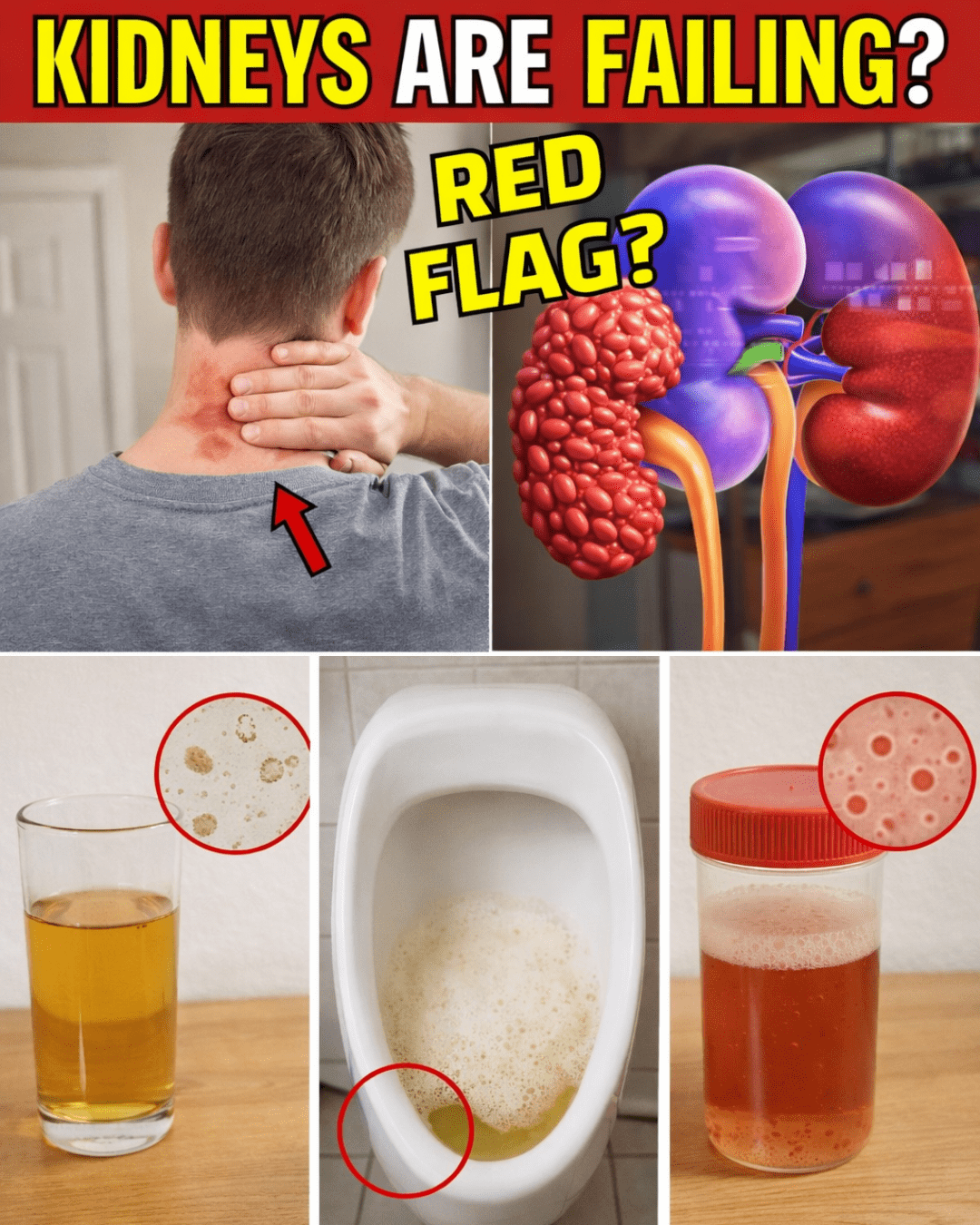
Your kidneys are silent guardians, filtering about 150 quarts of blood daily to keep your body chemically balanced and toxin-free. However, when these vital organs begin to struggle, they don’t always cause pain or obvious physical distress in the early stages. Instead, the most urgent warnings often appear in the toilet bowl—subtle changes in color, texture, or frequency that many people over 45 mistakenly attribute to aging or simple dehydration. Ignoring these “urine whispers” can lead to irreversible damage, but paying attention right now could be the very thing that saves your long-term health.
But here is the part that most people miss: kidney failure doesn’t happen overnight, and there is one specific combination of symptoms that acts as a “point of no return” if left unchecked.

Why Your Urine is a Window Into Your Kidney Health
Healthy kidneys act like a high-tech filtration system, meticulously deciding what stays in your blood and what gets flushed out as waste. When the microscopic filters, known as glomeruli, become inflamed or scarred, they start “leaking” things they should keep (like protein and blood) or “holding onto” things they should release (like toxins and excess fluid).
Because urine is the direct byproduct of kidney function, any change in its composition is a direct message from your internal filtration plant. The truth is, your body might be trying to tell you something critical long before you feel “sick.”
1. Foamy or Bubbly Urine That Persists
Have you noticed your urine looking like the “head” on a glass of beer? If you see bubbles that require multiple flushes to disappear, this is a major red flag.
This foam is often a sign of Proteinuria. When kidney filters are damaged, a protein called albumin—the same protein found in egg whites—leaks out of the blood and into the urine. This creates a soapy, sudsy appearance. Research from the National Kidney Foundation identifies this as one of the earliest clinical signs of chronic kidney disease (CKD).

2. Blood in the Urine (Hematuria)
Seeing a pink, red, or cola-colored tint in the water can be terrifying, and for good reason. Healthy kidneys typically keep blood cells in the body. However, when the filters are compromised, these cells “leak” into the urine.
It is important to note:
- Gross Hematuria: When you can see the blood with the naked eye.
- Microscopic Hematuria: When blood is only visible under a microscope during a lab test.
While blood in the urine can sometimes be caused by a simple infection or kidney stones, experts at the Mayo Clinic emphasize that it must always be evaluated to rule out progressive kidney failure.
3. Increased Urination Frequency (Nocturia)
If you find yourself waking up three or four times a night to use the bathroom, it might not just be your prostate or a small bladder. When the kidneys’ tubules are damaged, they lose the ability to concentrate urine.
This results in your body producing more urine, even if you aren’t drinking more fluids. This “nocturia” is a classic early warning sign that the kidneys are struggling to maintain the body’s fluid balance.
4. Decreased Urine Output (Oliguria)
On the opposite end of the spectrum, a sudden drop in the amount of urine you produce is equally alarming. This often happens in Acute Kidney Injury (AKI) or advanced stages of failure.
If your kidneys aren’t producing much urine, it means toxins and fluids are building up in your blood. This can lead to dangerous swelling in the ankles and lungs. This is a medical situation that requires immediate professional consultation.
Quick Comparison of Warning Signs
| Symptom | Appearance/Feeling | Primary Cause | Urgency Level |
| Persistent Foam | Like bubbly egg whites | Protein Leakage | High |
| Blood Tint | Pink, Red, or Brown | Filter Damage | Very High |
| Nocturia | Frequent night trips | Poor Concentration | Moderate |
| Oliguria | Very little output | Filtration Failure | Emergency |
| Strong Odor | Ammonia or “fishy” | Waste Buildup | Moderate |
Export to Sheets
5. Unusual or Strong Ammonia Odor
While certain foods (like asparagus) can change the smell of pee, a persistent, foul, or ammonia-like odor is different. This happens when the kidneys fail to filter out urea effectively.
As urea breaks down in the body, it releases ammonia. If your kidneys aren’t clearing these waste products, your urine—and sometimes even your breath—can take on a chemical, metallic, or pungent scent.
6. Dark, Amber, or “Tea-Colored” Urine
We’ve all heard that dark urine means you need to drink more water. But what if you’re hydrating and the color stays dark?
In the context of kidney trouble, dark urine can signal a high concentration of waste products or the presence of bilirubin, which can indicate that the kidneys and liver are under significant stress. According to the Cleveland Clinic, if your urine looks like dark tea, it’s time for a blood test.

7. Cloudy or Murky Urine
Healthy urine should be clear. If yours looks “milky” or turbid, it could be a sign of:
- High levels of protein.
- The presence of white blood cells (indicating infection).
- Kidney stones or crystals forming in the urinary tract.
8. Visible Sediment or “Floaties”
But that’s not all. Sometimes, you might see actual particles or sediment floating in the urine. This can be “pus” (white blood cells) from a kidney infection or small mineral crystals. When the kidneys can’t maintain the correct mineral balance, these particles begin to precipitate out, signaling a system in distress.
9. The “Synergy” of Symptoms: A Combined Pattern
The most dangerous sign is not just one of these changes, but a combination. If you have foamy urine and you’re waking up at night, and you’ve noticed your ankles are slightly swollen, your body is effectively shouting for help.
Clinical studies show that patients who catch these symptoms in the “combination phase” have a significantly higher chance of slowing the progression of kidney disease through diet and medication.
Immediate Steps to Take if You Notice Changes
If you are looking at your urine and realizing something isn’t right, don’t panic—but do act. Here is your proactive checklist:
- Perform a “24-Hour Observation”: Note the color, the amount of foam, and how many times you go.
- Check Your Hydration: Drink a steady amount of water. If the symptoms don’t improve after 24 hours of proper hydration, it isn’t just thirst.
- Request a Urinalysis: This is a simple, inexpensive test where a doctor checks for protein, blood, and bacteria.
- Ask for a GFR Blood Test: The Glomerular Filtration Rate (GFR) is the “gold standard” to see how well your kidneys are actually filtering.
Frequently Asked Questions (FAQ)
Q: Can dehydration cause foamy urine? A: Yes, occasionally. When you are dehydrated, urine is more concentrated, which can create slight bubbles. However, if the foam is thick, white, and persistent despite drinking water, it is likely protein leakage.
Q: Is night urination always a kidney problem? A: Not always. It can be caused by diabetes, an enlarged prostate, or even certain medications. However, because it is a primary symptom of kidney decline, it should always be investigated by a doctor.
Q: What is the fastest way to check kidney health? A: A simple “Urine ACR” (Albumin-to-Creatinine Ratio) test and a blood test for Creatinine are the fastest and most accurate ways to screen for kidney issues.
Summary: Listen to Your Body
Your kidneys work tirelessly behind the scenes, but they rely on you to notice when the “filtration system” is clogging up. From the frothiness of the bubbles to the tint of the color, your urine provides a daily report card of your internal health.
By catching these 9 symptoms early, you aren’t just reacting to a problem—you are taking a stand for your longevity. Would you like me to help you create a list of kidney-friendly foods to include in your next grocery trip?
Disclaimer: This article is for informational purposes only and does not constitute medical advice. Always seek the advice of your physician or other qualified health provider with any questions you may have regarding a medical condition. Never disregard professional medical advice or delay in seeking it because of something you have read here.