 By admin
 Bloated, Not Fat: Unveiling 9 Causes and 7 Proven Solutions for Digestive Relief
It’s a common misconception: many individuals, particularly as they age, often mistake the uncomfortable sensation of bloating for actual weight gain. However, these two conditions are distinctly different. Bloating, characterized by a feeling of fullness and swelling in the abdomen, is typically a temporary digestive issue. This article delves into the primary culprits behind abdominal distension and offers practical, evidence-based strategies to help you achieve lasting digestive comfort.
Understanding Abdominal Bloating
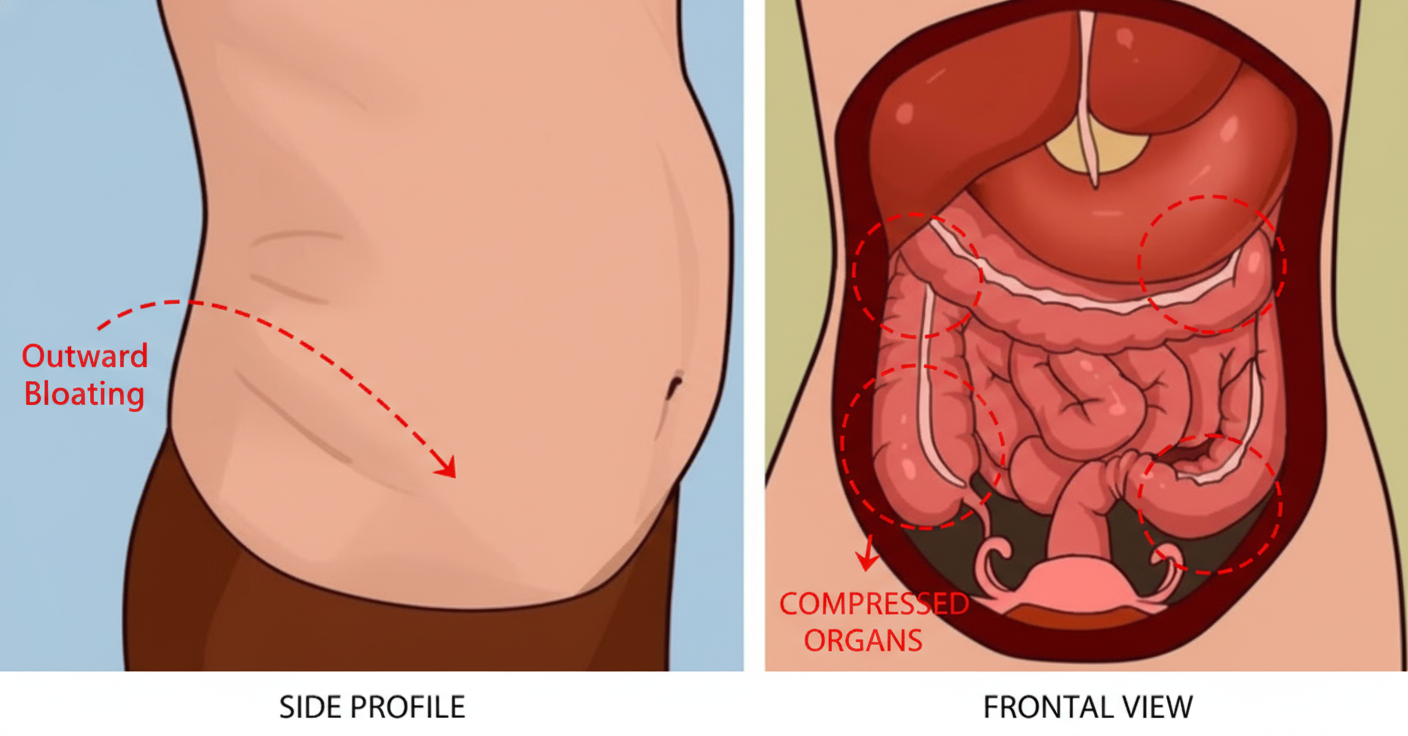
Abdominal bloating manifests as a sensation of tightness and visible swelling in the stomach area. It frequently arises from an accumulation of gas and excess fluid within the gastrointestinal tract, leading to significant discomfort. Unlike an increase in body fat that defines weight gain, bloating is usually transient and often influenced by dietary choices, lifestyle habits, or, in some instances, underlying health concerns. Recognizing this distinction is the first step toward effective management.
Top 9 Reasons You Might Be Feeling Bloated
Identifying the root causes of your bloating is crucial for finding effective relief. Here are some of the most common factors contributing to this bothersome digestive issue:
-
Overconsumption of Food: Indulging in excessively large meals can distend your stomach beyond its normal capacity, resulting in a bloated sensation. Practicing portion control is key to preventing this discomfort.
-
Eating Too Rapidly: When you consume your food too quickly, you tend to swallow more air, which then gets trapped in your digestive system, leading to gas and subsequent bloating. Slowing down and thoroughly chewing each bite can significantly mitigate this problem.
-
Carbonated Beverages: Drinks such as sodas, sparkling water, and other fizzy options contain carbon dioxide bubbles. These bubbles can expand in your stomach, causing an uncomfortable feeling of fullness and distension. Opting for still water or herbal teas is a better choice for digestive wellness.
-
High Sodium Intake: A diet rich in salt encourages your body to retain water in an effort to maintain electrolyte balance. This fluid retention can manifest as generalized puffiness and abdominal bloating.
-
Dairy Sensitivity: For individuals with lactose intolerance, consuming dairy products can trigger a range of digestive symptoms, including excessive gas production, cramping, and significant bloating, as their bodies struggle to break down milk sugars.
-
Legumes (Beans and Lentils): While highly nutritious and fiber-rich, certain legumes can be challenging for some digestive systems, leading to increased gas and bloating. Proper and thorough cooking can often reduce their gas-producing potential.
-
Artificial Sweeteners: Ingredients like sorbitol and xylitol, commonly found in sugar-free products, are often poorly absorbed by the digestive tract. This malabsorption can ferment in the gut, causing gas, cramping, and bloating.
-
Constipation: Irregular or infrequent bowel movements can slow down the entire digestive process, allowing waste and gas to accumulate in the intestines. This leads to a feeling of heaviness and noticeable bloating. Maintaining regular bowel habits is vital for relief.
-
Hormonal Fluctuations: Women often experience bloating linked to hormonal shifts during their menstrual cycle, pregnancy, or menopause. These hormonal changes can influence fluid retention and digestive motility. Adjusting diet and lifestyle during these periods can help manage symptoms effectively.
Effective Strategies to Alleviate Bloating
Once you understand the potential triggers, implementing targeted strategies can dramatically improve your digestive comfort. Here are proven methods to reduce and prevent bloating:
-
Mind Your Dietary Choices: Actively monitoring and reducing your intake of foods and beverages known to cause bloating, as discussed above, is a fundamental step. Keeping a food diary can help you identify your personal triggers and tailor your diet accordingly.
-
Prioritize Hydration: Consuming an adequate amount of water throughout the day is crucial. Water not only aids the digestive process but also helps flush out excess sodium from your system, thereby preventing water retention and reducing bloating.
-
Gradual Fiber Increase: While dietary fiber is essential for gut health, introducing large amounts too quickly can overwhelm your digestive system and cause bloating. Increase your fiber intake incrementally, allowing your body to adjust over time.
-
Engage in Regular Physical Activity: Consistent exercise plays a vital role in promoting a healthy digestive system. Physical movement can stimulate bowel regularity and help move gas through the intestines, effectively reducing bloating.
-
Consider Over-the-Counter Solutions: Various non-prescription products are available to help manage gas and bloating. Options such as anti-gas medications (e.g., simethicone) or probiotic supplements can support a healthier gut microbiome and ease discomfort.
-
Practice Stress-Reduction Techniques: The gut-brain axis means stress can significantly impact your digestion. Incorporating relaxation practices like yoga, meditation, deep breathing exercises, or gentle stretching into your daily routine can calm your nervous system and alleviate stress-induced bloating.
-
Embrace Mindful Eating Habits: Consciously focusing on your meal, eating slowly, and chewing your food thoroughly are powerful habits. This allows for better digestion and nutrient absorption, reducing the likelihood of gas formation and bloating.
In summary, while the discomfort of bloating can often be confused with weight gain, gaining a clear understanding of its causes and adopting straightforward lifestyle adjustments can profoundly enhance your digestive health and overall well-being. Empower yourself with these insights for a more comfortable, bloat-free life.