 By admin
 Many individuals frequently mistake a bloated abdomen for actual weight gain. This common misunderstanding is particularly prevalent among older adults who might experience these sensations with greater regularity. In this comprehensive guide, we’ll delve into the root causes of abdominal bloating and explore practical, evidence-based strategies to alleviate this often uncomfortable and frustrating feeling.
Understanding Abdominal Bloating
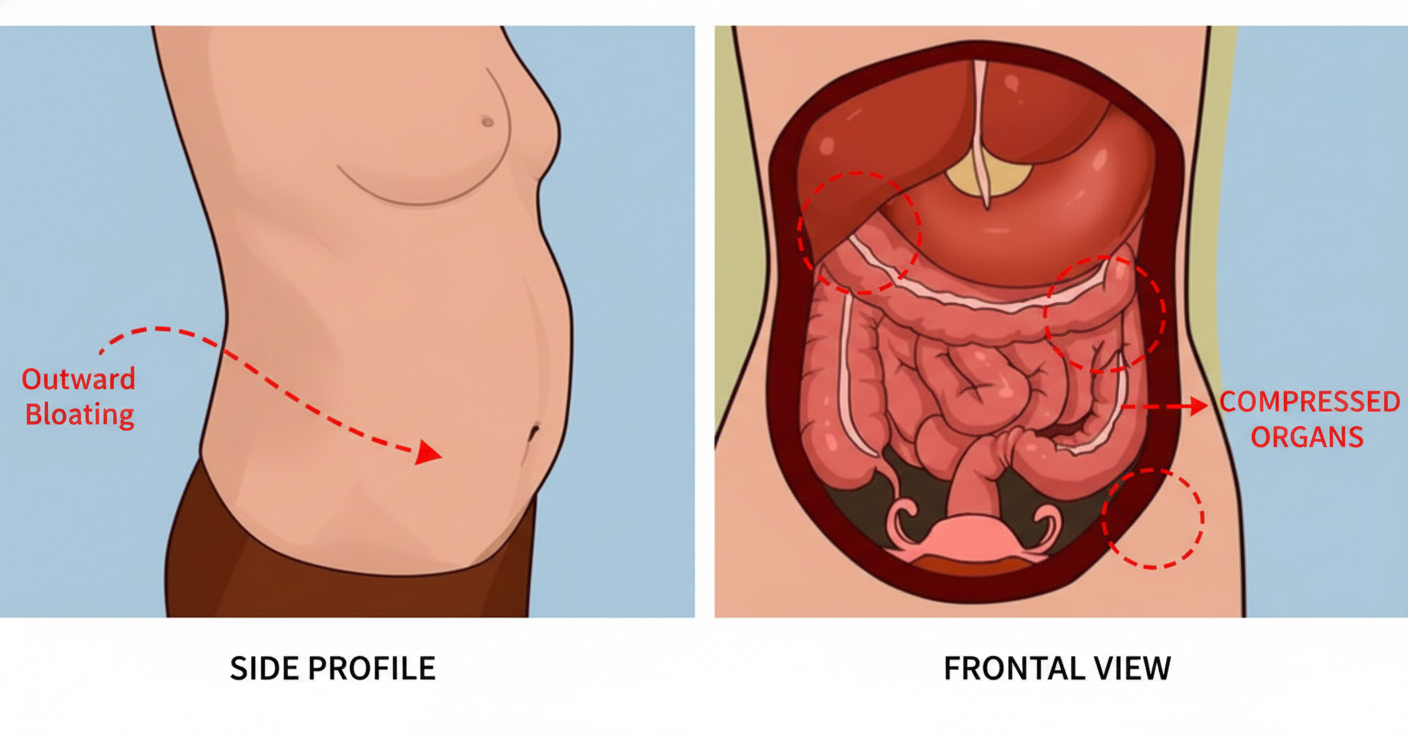
Bloating manifests as a sensation of fullness, tightness, or swelling in the stomach area. It typically results from an accumulation of gas or fluid retention within the digestive system, leading to noticeable discomfort and distention. Crucially, bloating differs significantly from weight gain, which involves an increase in body fat. Unlike persistent weight gain, bloating is usually transient and often linked to dietary choices, lifestyle habits, or, in some instances, underlying health conditions.
Common Triggers: 9 Reasons You Might Feel Bloated
Several factors can contribute to that uncomfortable bloated feeling. Identifying these common culprits is the first step toward effectively reducing or even eliminating the problem.
-
Overeating
Consuming excessively large meals can distend your stomach beyond its normal capacity, leading to a feeling of fullness and bloating. Practicing mindful portion control during mealtimes is key to preventing this.
-
Eating Too Quickly
Rapidly wolfing down food can cause you to swallow excess air, which then becomes trapped in your digestive tract, resulting in gas buildup. Taking your time to savor meals and chew thoroughly can significantly mitigate this issue.
-
Carbonated Beverages
Drinks such as sodas, sparkling water, and other fizzy concoctions contain dissolved carbon dioxide bubbles. When consumed, these bubbles can release gas within your stomach, contributing to bloating. Opting for still water or unsweetened herbal teas is a better alternative.
-
High Sodium Intake
A diet rich in sodium prompts your body to retain water in an effort to maintain a balanced electrolyte level. This fluid retention can manifest as a puffy, bloated sensation, particularly in the abdomen.
-
Dairy Sensitivity
For individuals with lactose intolerance, consuming dairy products can lead to a host of digestive woes, including excessive gas production, cramping, and significant bloating, as their bodies struggle to break down lactose.
-
Fiber-Rich Legumes (Beans & Lentils)
While highly nutritious, legumes like beans and lentils are packed with fiber and certain carbohydrates that can be difficult for some people to digest, leading to increased gas and bloating. Thorough cooking can help reduce their gas-producing potential.
-
Artificial Sweeteners
Sugar substitutes such as sorbitol, xylitol, and mannitol are often poorly absorbed by the digestive system. This can lead to fermentation in the gut, causing gas, bloating, and sometimes even a laxative effect.
-
Constipation
When bowel movements are infrequent or difficult, waste material can accumulate in the colon, slowing down the entire digestive process. This backlog can result in significant abdominal distention and discomfort. Regular bowel habits are crucial for relief.
-
Hormonal Fluctuations
Women often experience bloating due to hormonal shifts associated with menstruation and menopause. These fluctuations can impact fluid balance and digestive regularity. Monitoring diet and lifestyle during these periods can help manage symptoms effectively.
Effective Relief: 7 Proven Strategies to Combat Bloating
Proactively addressing the underlying causes of bloating can lead to substantial symptom relief. Here are several actionable strategies to help ease that uncomfortable feeling and promote better digestive health:
-
Mind Your Diet
Consciously reducing or eliminating foods known to trigger bloating, as outlined above, can be highly beneficial. Pay close attention to how your body responds to different foods and consider keeping a food diary to identify personal triggers.
-
Prioritize Hydration
Drinking an adequate amount of water throughout the day is vital for healthy digestion. Proper hydration helps move food through your gut and can reduce bloating by aiding in the flushing out of excess sodium from your system.
-
Gradually Increase Fiber
While fiber is essential for digestive health, introducing too much too quickly can initially exacerbate bloating. Incrementally increase your fiber intake over several weeks to allow your digestive system to adapt.
-
Embrace Regular Exercise
Physical activity plays a crucial role in promoting overall digestive well-being. Regular movement helps stimulate bowel motility, which can effectively reduce gas buildup and alleviate constipation-related bloating.
-
Consider Over-the-Counter Aids
A variety of readily available products can help manage gas and bloating. These include anti-gas capsules containing simethicone, digestive enzymes, and probiotics, which can help balance gut flora.
-
Practice Relaxation Techniques
Stress can profoundly impact your digestive system, often leading to or worsening bloating. Incorporating relaxation practices like yoga, meditation, deep breathing exercises, or gentle stretching into your routine can help calm your body and gut.
-
Adopt Mindful Eating Habits
Cultivate the habit of eating slowly and chewing your food thoroughly. This allows your digestive system to process food more efficiently, reducing the likelihood of swallowing air and making digestion easier, thereby minimizing bloating.
In conclusion, while the discomfort of bloating is often mistaken for weight gain, a clear understanding of its causes, coupled with the implementation of simple yet effective lifestyle adjustments, can significantly enhance your digestive well-being and lead to a much more comfortable, lighter feeling.