 By admin
 Beyond the Weed: 8 Compelling Reasons to Embrace Purslane in Your Garden
For countless gardeners, the sight of purslane immediately signals a battle against an invasive weed, a relentless intruder vying for precious garden space and vital nutrients. This persistent struggle can be disheartening, particularly when the plant seems to rebound with renewed vigor after every attempt at eradication. However, the true solution isn’t about intensified effort, but rather a fundamental change in how we perceive this resilient green. By the time you finish reading, you’ll understand why many seasoned gardeners have quietly made peace with purslane, choosing to embrace its presence.
What Is Purslane and Why Is It So Misunderstood?
Purslane ( Portulaca oleracea ), recognized by various names such as verdolaga, pigweed, or hogweed, is a robust, low-lying succulent. It possesses an remarkable ability to flourish even in depleted soils and challenging environments. Its rapid spread and ground-hugging growth habit often lead to its dismissal as nothing more than a troublesome nuisance. Yet, this perception overlooks centuries of history: purslane has been revered as a valuable food source and a component of traditional medicine throughout Europe, Asia, the Middle East, and the Americas. Historical records from early American settlers confirm its widespread use as a culinary staple, hinting at a much deeper significance than its current “weed” status suggests. And that’s merely scratching the surface of its true potential.
1. Purslane Is One of the Richest Plant Sources of Omega-3s
Perhaps the most compelling discovery about purslane is its extraordinary concentration of omega-3 fatty acids, a level rarely found in other leafy greens. Omega-3s are crucial essential fats, indispensable for maintaining healthy heart and brain function, yet they are frequently deficient in contemporary diets. Unlike conventional fish-derived sources, purslane presents a sustainable, plant-based omega-3 option, perfectly suited for vegetarian and vegan dietary preferences. This remarkable nutritional profile truly sets it apart from typical garden vegetation, elevating its status far beyond a common weed. However, its benefits extend even further.
2. It Naturally Provides Antioxidant Support
Beyond its omega-3 content, purslane is a powerhouse of antioxidants, including glutathione, betalains, and flavonoids. These vital compounds play a critical role in safeguarding our cells from the daily onslaught of oxidative stress, a natural byproduct of metabolism and environmental factors. Scientific evidence consistently links diets abundant in antioxidant-rich vegetables to improved overall health indicators. Incorporating purslane into your culinary repertoire offers a straightforward and accessible method to boost your protective antioxidant intake, leveraging a beneficial plant that might already be flourishing in your garden.
3. A Mineral-Dense Green That Fills Nutritional Gaps
In an age where many individuals unknowingly suffer from mineral deficiencies, purslane emerges as a natural solution to bridge these nutritional gaps. It inherently provides a spectrum of essential minerals, including:
- Calcium and magnesium, vital for robust bone structure and health.
- Potassium, crucial for maintaining optimal fluid balance within the body.
- Iron and copper, essential for the normal transport of oxygen throughout the bloodstream.
- Folate and manganese, key players in supporting efficient metabolic functions.
Rather than tirelessly eradicating this resourceful plant, cultivating even a small patch of purslane can significantly enrich the nutritional variety and density of your garden’s bounty.
4. Purslane Is a Natural Source of Vitamin C and Beta-Carotene
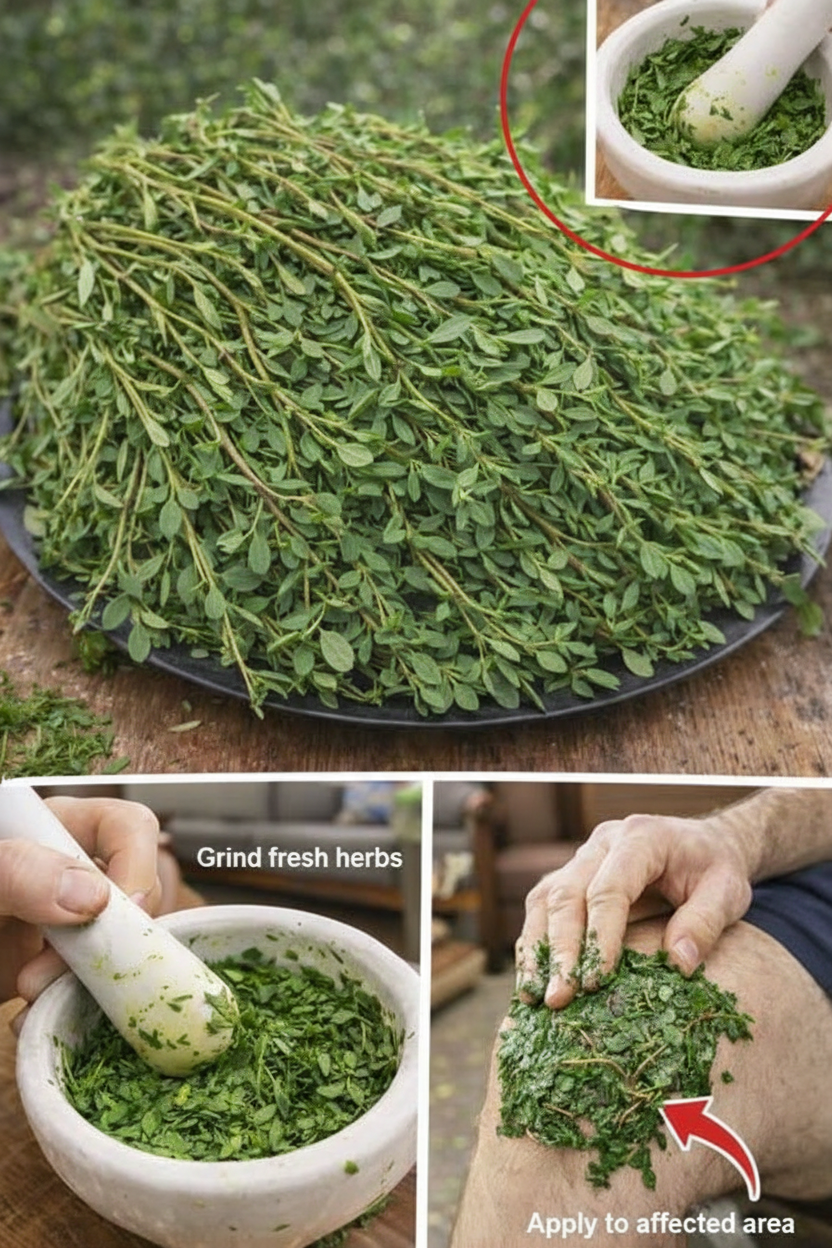
Purslane further distinguishes itself as an excellent natural source of two critical vitamins: C and beta-carotene. Vitamin C is indispensable for a strong immune defense system and the synthesis of collagen, which is vital for skin and connective tissues. Beta-carotene, on the other hand, is a precursor that the body converts into vitamin A, a nutrient fundamental for healthy vision and maintaining skin integrity. The significance here is profound: purslane offers both these powerful nutrients synergistically, in their unprocessed, whole-food state, negating the need for artificial supplements. And its unique attributes don’t end there.
5. One of the Few Edible Plants That Contains Melatonin
Remarkably, purslane is among a select group of edible plants known to naturally contain melatonin, the hormone instrumental in regulating our sleep-wake cycles. While melatonin is widely recognized for its role in dietary supplements, its presence in whole foods is quite rare. Although consuming purslane should not be seen as a direct sleep aid, its natural melatonin content makes it a fascinating and valuable inclusion in a well-rounded diet, particularly for those prioritizing natural food diversity and holistic wellness.
6. Gentle Support for Cholesterol Balance
The vibrant betalain pigments found in purslane offer another compelling health benefit. Emerging research indicates that these compounds may contribute to protecting blood vessels from oxidative damage, a key factor in maintaining long-term cardiovascular health. Supporting healthy blood vessel function is a cornerstone of overall heart wellness. It’s important to emphasize that this benefit falls under the umbrella of dietary support, not medical treatment, and harmonizes perfectly with general nutritional advice advocating for a diet rich in diverse, colorful plant-based foods.
7. A Versatile, Refreshing Flavor in the Kitchen
Beyond its impressive nutritional profile, purslane offers a delightful culinary experience that often surprises first-time tasters. Far from being bitter, its plump, succulent leaves boast a distinctively tangy, subtly lemony flavor, concluding with a delicate peppery note. This unique taste makes purslane an incredibly versatile ingredient, excelling in a variety of dishes:
- Crisp, fresh salads, adding a vibrant crunch.
- Lightly sautéed vegetable preparations.
- Hearty soups and nourishing stews.
- Simple homemade pestos and flavorful sauces.
Its adaptability and refreshing character are precisely why contemporary chefs are increasingly featuring purslane on sophisticated restaurant menus, rediscovering its gastronomic appeal.
8. Purslane Improves Soil Health and Garden Resilience
From an ecological and gardening standpoint, purslane provides a host of often-overlooked environmental advantages. Its shallow but widespread root system plays a crucial role in mitigating soil erosion, particularly in vulnerable areas. Furthermore, its remarkable capacity to flourish even in compacted or poor soil conditions actively contributes to improving overall soil structure over time, enhancing aeration and drainage. Rather than aggressively competing with neighboring plants, purslane frequently serves