 By admin
 Decoding Natural Teeth Whitening: A Mindful Approach to Charcoal and Lemon
The quest for a brighter smile is universal, yet the subtle dulling of teeth often goes unnoticed until reflections or photographs reveal a less vibrant appearance. Daily indulgences like coffee, tea, and various foods contribute to surface stains that accumulate over time. While commercial whitening products offer solutions, many find them expensive, abrasive, or challenging to integrate into a long-term routine. Fortunately, understanding the potential of simple, natural ingredients like activated charcoal and lemon within your oral care regimen can empower you to make more informed choices. This guide will illuminate why the method of application for these ingredients is far more critical than their mere presence.
Why Natural Oral Care and Whitening Habits Are Gaining Popularity
Modern dental aisles are brimming with an array of whitening solutions, from strips and gels to pens and trays. While these options offer convenience for some, others are wary of the associated costs, potential tooth sensitivity, or complex usage instructions. A notable trend in consumer behavior points towards an increasing preference for minimalist oral care routines centered around familiar, natural ingredients. This shift isn’t about achieving dramatic, instantaneous results; rather, it emphasizes fostering a cleaner, healthier-looking smile through consistent, conscious practices. In these discussions, activated charcoal and lemon frequently emerge, not as miraculous cures, but as ingredients possessing specific surface-acting properties that intrigue users when applied judiciously.
Understanding Tooth Stains: What Natural Methods Can Truly Influence?
Before exploring the individual roles of charcoal and lemon, it’s essential to clarify what types of tooth discoloration they can realistically impact. The majority of visible staining originates from extrinsic, or surface, stains. These occur when pigments from consumed foods and beverages adhere to the outermost layer of tooth enamel. Such stains are distinct from the inherent color of your teeth, which is determined by genetics and enamel thickness. At-home oral care practices and natural ingredients primarily address surface cleanliness and the removal of these external deposits, not a fundamental alteration of your natural tooth shade. Recognizing this distinction is vital for setting realistic expectations and safeguarding your enamel health.
Activated Charcoal: Unpacking Its Role in Oral Care
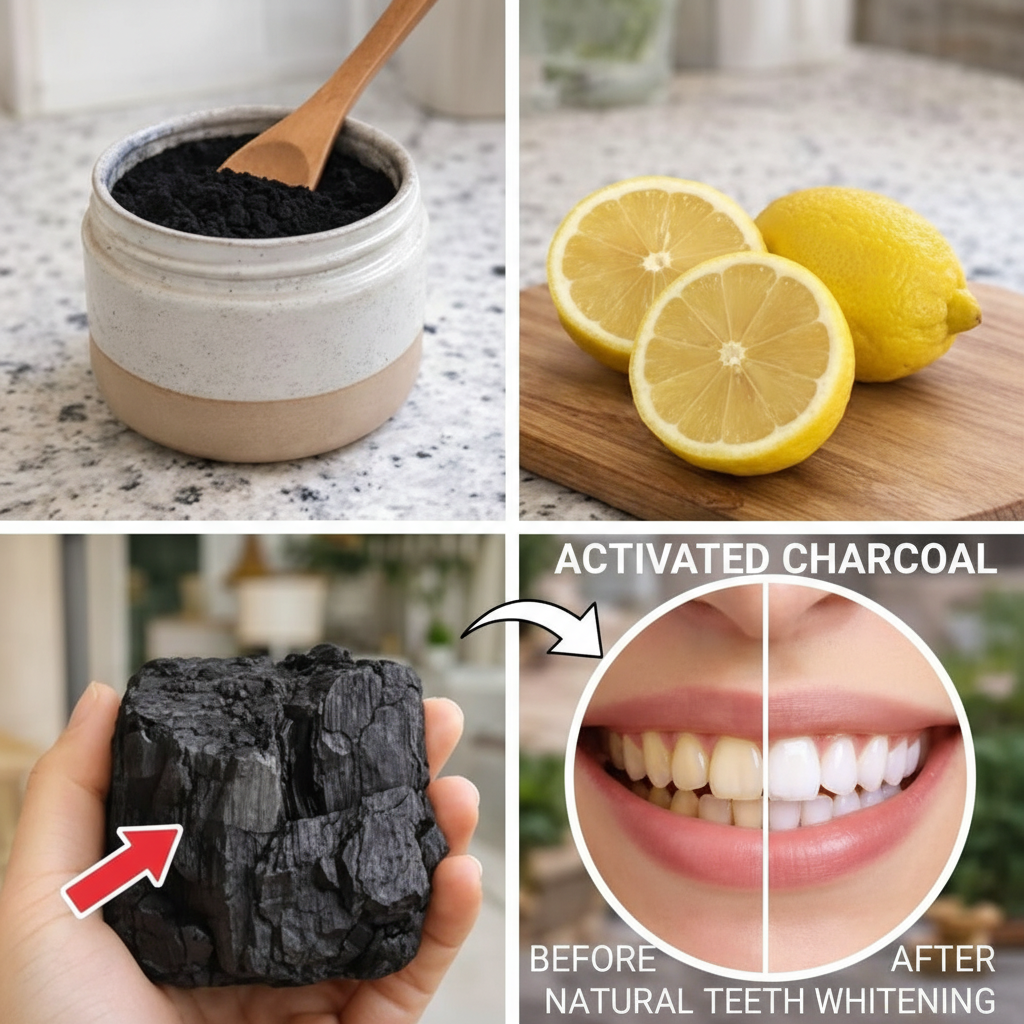
Activated charcoal is a finely milled black powder derived from carbon-rich sources such as coconut shells or wood. It undergoes a special process to develop an exceptionally porous structure. This unique porosity is precisely why charcoal is valued in applications like water and air filtration – it possesses a remarkable ability to bind to various particles it encounters. In the context of oral hygiene, activated charcoal is often highlighted for its adsorptive properties. This means it can effectively attract and attach to surface substances, including certain residues that contribute to a dull or discolored appearance on teeth.
Dental research suggests that toothpastes and powders containing charcoal are primarily formulated for surface polishing, rather than chemical bleaching. When employed gently and sparingly, activated charcoal may assist in removing accumulated buildup, which can make teeth appear brighter. However, a crucial consideration is that charcoal is inherently mildly abrasive. Consequently, the technique and frequency of its use are paramount, outweighing the mere presence of the ingredient itself, to prevent potential enamel wear.
The Function of Lemon in Oral Care Discussions
Lemon is widely recognized for its invigorating citric acid content and fresh aroma, and in nutrition, it’s prized for its vitamin C. In conversations surrounding oral care, lemon often comes up due to its acidic nature and the refreshing sensation it imparts. Citric acid has the capacity to help loosen surface residues, which is why lemon occasionally features in DIY teeth whitening discussions. Nevertheless, it is critical to remember that acidity can temporarily soften tooth enamel. This explains why dental professionals consistently advocate for significant dilution, strictly limited contact time, and extreme caution whenever acidic ingredients are considered for oral care routines. Lemon’s role is not to scrub or chemically bleach teeth; rather, it is typically discussed as a short-contact ingredient that, when handled with meticulous care, might contribute to surface freshness.
Synergy: Why Charcoal and Lemon Are Often Paired
Interestingly, activated charcoal and lemon are seldom discussed in isolation within DIY whitening circles. They are frequently combined because they offer complementary actions: charcoal provides a gentle surface polishing effect, while lemon contributes acidity that can help loosen surface residues. When thoughtfully blended and applied for a brief duration, this combination can form a paste that spreads easily and rinses cleanly. The most vital takeaway here is that any perceived benefit stems from short, gentle exposure, not from aggressive brushing or frequent application, which could harm enamel.
Realizing the Benefits Through Mindful Application
When individuals discuss the advantages of using charcoal and lemon for their teeth, they are generally referring to these realistic outcomes:
- Assisting in the removal of superficial stains and buildup.
- Helping teeth achieve a cleaner, fresher, and visually brighter appearance.
- Encouraging a heightened awareness and proactive approach to daily oral hygiene habits.
- Potentially reducing reliance on more aggressive or chemical-based whitening products for minor surface discoloration.
Always prioritize gentle techniques and consult with your dental professional before incorporating any new natural remedies into your oral care routine, especially those involving abrasive or acidic components, to ensure they are appropriate for your individual dental health needs.