 By admin
 Culantro Revealed: Your Essential Guide to Culinary Uses, Traditional Wellness, and Easy Home Growing
Often, valuable botanical treasures lie hidden in plain sight, perhaps in your very own garden. Many individuals overlook the profound potential of certain herbs—plants that appear unassuming, grow without much fuss, yet carry centuries of culinary and wellness wisdom. This oversight can be particularly frustrating when you’re actively seeking straightforward, natural methods to enrich your daily meals with vibrant flavors and incorporate gentle, supportive wellness practices into your routine. This comprehensive guide shines a spotlight on culantro (Eryngium foetidum), an herb that provides a remarkably versatile and practical solution. By the time you finish reading, you’ll uncover a simple, yet widely overlooked habit that unlocks the full spectrum of this plant’s benefits, making it far more valuable than most people ever realize.
What Exactly Is Culantro and Why Does It Remain Underrated?
Known botanically as Eryngium foetidum, culantro is a distinctive tropical herb frequently confused with its more famous cousin, cilantro. However, culantro possesses a significantly more potent aroma and features elongated, saw-toothed leaves, setting it apart visually and aromatically. While cilantro enjoys widespread recognition globally, culantro, often referred to as “long coriander” or “Mexican coriander,” frequently thrives discreetly in home gardens, escaping broader attention. Yet, its understated presence belies a rich heritage: culantro has been an integral component of daily life and culinary traditions across Latin America, the Caribbean, and Southeast Asia for generations. In these vibrant cultures, it transcends mere seasoning; it’s a fundamental element in everyday cooking and traditional household practices, and its utility extends far beyond just flavor.
Culantro vs. Cilantro: A Distinctive Comparison
Though they share a superficial resemblance and similar flavor notes, culantro and cilantro (Coriandrum sativum) are remarkably different in their culinary applications and cultivation requirements. Understanding these key distinctions is crucial for anyone looking to incorporate these herbs effectively:
- Flavor Intensity: Culantro boasts a significantly more robust, earthy, and concentrated flavor profile compared to cilantro, meaning a smaller quantity can impart a more profound taste.
- Leaf Morphology: Culantro is easily identified by its long, strap-like leaves with serrated or saw-toothed edges, whereas cilantro features delicate, feathery, and rounded leaves.
- Heat Tolerance: Unlike cilantro, which tends to “bolt” (go to seed) quickly in warm weather, culantro is a heat-loving tropical plant that thrives in hot and humid conditions, making it a more reliable choice for warmer climates.
- Culinary Application: Culantro’s sturdy nature and intense flavor make it ideal for cooking, especially in dishes requiring longer simmering times. Cilantro, with its more delicate flavor, is typically added fresh at the end of cooking or used as a garnish.
Given its powerful and enduring essence, a modest amount of culantro can profoundly enhance a dish, offering a depth of flavor that persists through cooking. But its advantages extend beyond mere taste…
The Nutritional Powerhouse: What Science Reveals About Culantro
Scientific investigations into various leafy green herbs consistently demonstrate that plants like culantro are natural reservoirs of essential vitamins and minerals, crucial for maintaining optimal daily nutritional balance. Culantro is particularly recognized for its contribution of:
- Vitamin A: A vital nutrient supporting healthy vision, robust immune function, and skin integrity.
- Vitamin C: A powerful antioxidant renowned for bolstering the immune system and promoting overall cellular health.
- Vitamin K: Essential for blood clotting and playing a significant role in maintaining strong, healthy bones.
- Key Minerals: Including calcium, critical for bone density; iron, vital for oxygen transport; and phosphorus, important for energy metabolism and bone health.
While no single herb can replace a comprehensive, balanced diet, incorporating nutrient-dense plants like culantro into your meals offers an effortless and delicious way to enhance and diversify your daily intake of vital nutrients. This impressive nutritional profile naturally complements its rich history of traditional applications.
Traditional Wellness Applications of Culantro Across Cultures
Throughout diverse global cultures, culantro has been thoughtfully integrated into daily wellness practices—not as a standalone medical remedy, but as an intrinsic component of food-based health traditions, reflecting a holistic approach to well-being.
Supporting Digestive Harmony
Within countless traditional households, culantro is a prized addition to comforting broths, soothing teas, and light soups, specifically for its perceived benefits in promoting digestive comfort. Historically, it has been employed to assist with:
- Alleviating Post-Meal Bloating: Helping to reduce feelings of fullness and discomfort after eating.
- Facilitating Smooth Digestion: Contributing to a more effortless and efficient digestive process.
- Encouraging Balanced Appetite: Supporting a natural and healthy regulation of hunger.
The herb’s gentle, aromatic compounds are believed to foster a sense of digestive ease and equilibrium when consumed regularly as part of a nourishing diet. And its benefits extend even further.
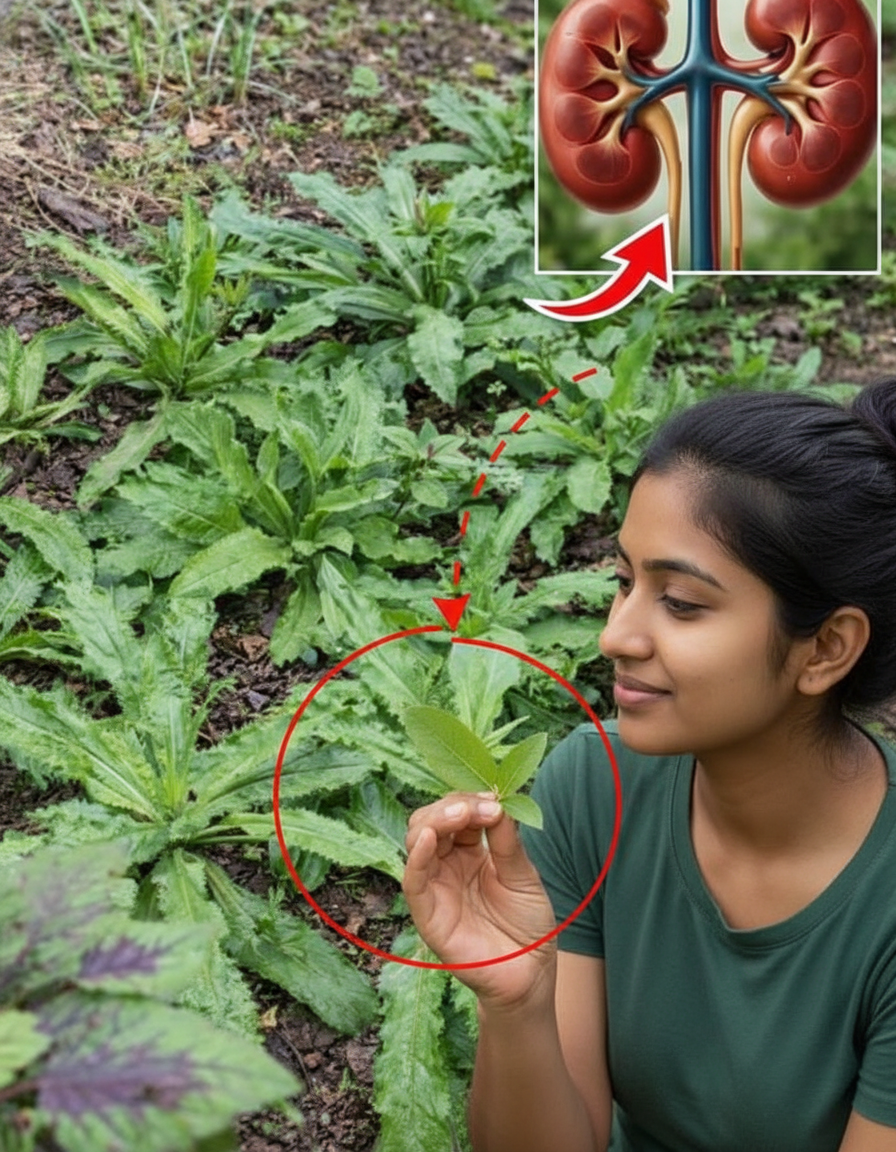
Rich in Plant Antioxidants for Cellular Health
As with many vibrant green herbs, culantro is a natural source of potent plant-based antioxidants. Contemporary research indicates that these antioxidants play a crucial role in safeguarding our cells from the daily onslaught of oxidative stress, which arises from normal metabolic activities and environmental exposures. This makes culantro an excellent, pragmatic inclusion in meals designed to support sustained, long-term wellness rather than merely seeking immediate fixes.
Aromatic Traditions for Respiratory Well-being
Beyond its culinary prowess, culantro’s distinctive aroma holds significant cultural importance in various traditions, especially concerning respiratory comfort. It has been historically utilized in:
- Warm Herbal Infusions: Brewed into soothing teas.
- Therapeutic Steam Treatments: Added to steam for inhalation.
- Nourishing Broths: Particularly during seasonal transitions when respiratory health often needs extra support.
The herb’s strong, invigorating scent is frequently associated with feelings of clarity, freshness, and easier breathing, particularly when consumed or inhaled in warm preparations. Yet, there’s an even more fundamental, often overlooked aspect of its traditional use.
Culantro’s Role in Traditional Cleansing Support
Many ancient dietary philosophies emphasize the consumption of foods that naturally bolster the body’s inherent detoxification and elimination pathways. In this context, culantro is sometimes incorporated into light, hydrating soups and and beverages, intended to complement daily fluid intake and a balanced nutritional regimen. It’s important to clarify: no single herb can “detoxify” the body on its own. However, a wealth of research consistently links diets rich in plant-based foods to the robust support of normal liver function and healthy digestive processes, all as part of an overarching healthy lifestyle. Culantro, with its unique properties, integrates seamlessly into this health-promoting dietary paradigm.
Integrating Culantro into Your Daily Cuisine
Embracing culantro in your culinary endeavors is one of the most straightforward and rewarding ways to experience its benefits. Due to its intense and concentrated flavor, a small quantity goes a long way, ensuring your dishes are infused with its distinctive essence without overpowering other ingredients. Here are some simple yet impactful culinary ideas:
- Hearty Soups and Stews: Incorporate culantro early in the cooking process to allow its deep, aromatic notes to fully meld, adding complexity and richness.
- Flavorful Rice Dishes: Stir finely chopped culantro into rice as it cooks, imparting an earthy, herbaceous depth to staples like arroz con pollo or Caribbean rice and beans.
- Robust Marinades: Blend culantro with garlic, onions, citrus, and spices to create powerful marinades for meats (pork, chicken, beef) or firm vegetables, enhancing their flavor profile significantly.
- Signature Sauces and Salsas: Finely chop or blend culantro into sofritos, green sauces, or fresh salsas for an authentic, vibrant kick. It pairs exceptionally well with ingredients like tomatoes, peppers, and garlic.
- Slow-Cooked Curries and Braises: Its excellent heat tolerance makes culantro an ideal ingredient for dishes that require prolonged cooking, like curries, braises, and chili, where its flavor intensifies beautifully.
Unlike delicate herbs, culantro maintains its robust flavor and structural integrity even under prolonged heat, making it a culinary workhorse perfect for slow-cooked dishes where its essence can truly shine.
The Overlooked Habit: Consistent Integration
The “overlooked habit” that unlocks culantro’s full potential isn’t a secret technique, but rather the consistent, daily integration of this remarkable herb into your diet in various forms. Instead of viewing it as an occasional garnish, embrace culantro as a regular component of your meals—whether in cooking, teas, or fresh preparations. By making it a staple, you naturally enhance your nutrient intake, support digestive health, and infuse your daily life with its subtle wellness benefits, just as generations before us have done. Start small, experiment with its bold flavor, and discover how this unassuming plant can become a powerful ally in your kitchen and for your well-being.
”
}
“`