 By admin
 Understanding Skin Moles: Debunking DIY Remedies and Embracing Safe Skin Health Practices
Skin moles and various other spots are a common sight on many individuals. However, encountering dramatic “before-and-after” images online, often promoting quick fixes, can rapidly trigger anxiety and confusion. Social media platforms frequently feature posts suggesting common household items can resolve skin concerns, tempting many—especially when professional dermatological care seems inconvenient or financially daunting. The encouraging news is that reliable, evidence-based methods exist for managing skin issues. By the end of this comprehensive guide, you will discover a more intelligent approach that safeguards both your skin and your peace of mind, along with a crucial insight often omitted from popular online advice.
The Allure of Quick Fixes: Why DIY Mole Removal Goes Viral
Moles present in diverse sizes, colors, and textures, with the vast majority being benign. Yet, when a viral post asserts that common household products can alter or eliminate them, it ignites a blend of hope and apprehension. The concern intensifies when accompanying images depict skin irritation or open wounds, leading to legitimate worries about potential scarring or infection. The pathway to a solution begins with clearly understanding the true nature of skin moles, the reasons behind the widespread appeal of DIY claims, and which habits genuinely promote skin safety. We will build this clarity step-by-step. But there’s more to uncover—a vital aspect of skin safety that is seldom highlighted until the very end.
What Exactly Are Skin Moles (Nevi)?
Skin moles, medically known as nevi, are essentially clusters of pigment-producing cells. According to extensive dermatological research, most individuals develop these moles during childhood or early adulthood, and they typically remain stable for many years. Factors such as hormonal fluctuations or exposure to sunlight can sometimes cause them to darken or lighten over time.
Common Characteristics of Moles:
- Can appear flat or noticeably raised on the skin surface.
- Vary in color, including shades of brown, black, tan, or even blend with skin tone.
- May have a smooth, rough, or even hair-bearing texture.
Crucially, dermatological studies consistently indicate that changes in a mole’s shape, border, color, size, or sensation are far more significant indicators of concern than its mere presence.
Debunking Misleading Claims: Why Toothpaste and Garlic Are Not Skin Solutions
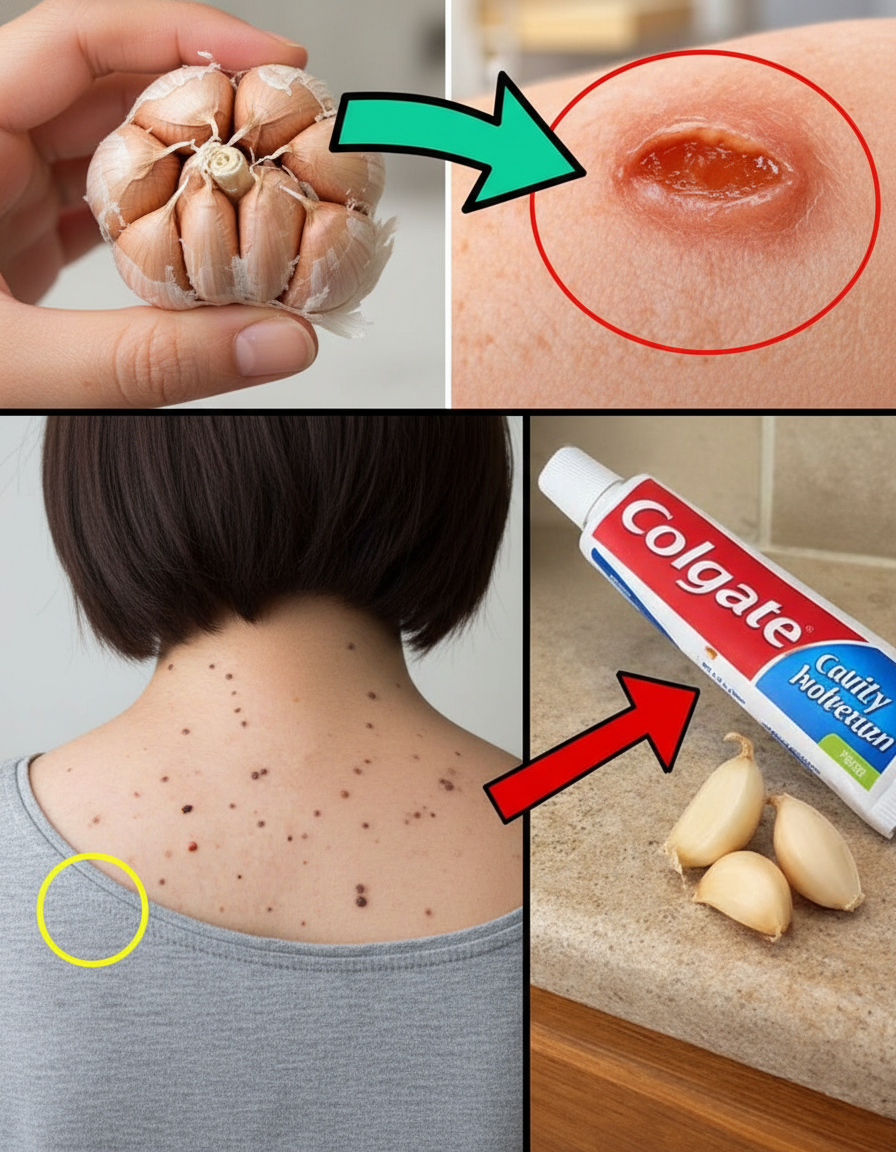
Here lies a critical point: household items like toothpaste and garlic are unequivocally not formulated for application on human skin, particularly not on pigmented lesions. Toothpaste contains abrasive agents and flavoring chemicals primarily designed for dental enamel, not delicate skin. Similarly, garlic is rich in sulfur compounds that can cause significant irritation and and even chemical burns when applied topically. Numerous studies and dermatology reviews consistently warn that applying such harsh substances can result in:
- Skin burns or painful blistering.
- Infection, especially if the skin barrier is compromised.
- Permanent scarring or noticeable discoloration.
Images frequently circulated online—purportedly showing successful “mole removal”—often depict severe irritation or damage rather than genuine, healthy skin improvement, which is inherently misleading and dangerous.
The Reality of “Natural” Home Remedies: Safety vs. Perception
The term “natural” does not automatically equate to “safe” or “harmless.” Many natural ingredients possess biologically active compounds that can provoke adverse skin reactions, such as contact dermatitis (skin inflammation, redness, and itching). Relying on unverified home remedies carries significant risks:
- Uncontrolled Reactions: Every individual’s skin reacts uniquely; what might seem mild to one person could cause a severe reaction in another.
- Delayed Professional Evaluation: Attempting DIY solutions can obscure crucial changes in a mole, delaying a timely and accurate diagnosis by a dermatologist. This can be particularly dangerous if a concerning lesion is present.
- Permanent Marks: Burns, chemical reactions, or infections from DIY applications can heal with unsightly scars or stubborn dark spots that are difficult to remove.
The verifiable truth, supported by extensive research, is that consistent monitoring combined with professional dermatological evaluation far surpasses the effectiveness and safety of any unverified home approach for managing skin moles.
Embracing Safe, Expert-Backed Habits for Skin Health
Instead of resorting to risky experiments, prioritize habits that are firmly supported by skin health experts and dermatologists. Adopting a proactive, skin-safe approach is crucial:
Your Step-by-Step Skin-Safe Approach:
- Observe Regularly: Conduct monthly self-examinations of your moles for any changes in size, border, color, diameter, or sensation (e.g., itching, tenderness).
- Protect from Sun: Consistently use broad-spectrum sunscreen with an SPF of 30 or higher daily. Excessive UV exposure is a known risk factor for mole changes and skin cancer development.
- Avoid Irritation: Never apply acidic, abrasive, or caustic substances directly onto moles or any suspicious skin lesions.
- Document Changes: Take clear, well-lit photographs of moles over time. This visual record can be invaluable for noticing subtle differences that might otherwise go unnoticed.
- Seek Professional Evaluation: If you notice any concerning changes or simply have questions, consult a qualified dermatologist. They possess the expertise and tools to assess your concerns safely and accurately.
But wait—there’s one habit that truly makes all the difference, and it’s frequently overlooked by many…
The Indispensable Role of Professional Skin Checks
Leading dermatology guidelines unequivocally emphasize that a thorough visual examination by a qualified dermatologist—often enhanced by specialized tools like a dermatoscope—is the safest and most reliable method for understanding and monitoring skin moles. Early and accurate assessment helps to distinguish between benign spots and those that may require closer attention, all without causing unnecessary damage to the surrounding healthy skin. This proactive approach is vital for early detection of potential skin conditions, including melanoma.
DIY vs. Evidence-Based Care: A Quick Comparison
| Approach | Potential Risks | Reliability & Safety |
|---|---|---|
| Home Remedies (DIY) | Burns, infection, scarring, delayed diagnosis | Extremely Low & Unsafe |
| Regular Self-Observation + Sun Protection | Minimal | Moderate & Proactive |
| Professional Dermatological Evaluation | Minimal (non-invasive for screening) | High & Medically Sound |
Conclusion: Informed Choices for Lasting Skin Health
While viral posts often promise effortless shortcuts, true skin health is a reward of patience, informed decisions, and consistent care. Gaining a clear understanding of what skin moles truly are, steadfastly avoiding harsh or unverified topical applications, and diligently building safe daily habits are the cornerstones of long-term skin protection. The often-unexpected truth is that doing less to your skin—while simultaneously observing more and seeking expert advice when needed—consistently leads to superior and safer outcomes for your skin’s well-being.
Frequently Asked Questions (FAQ)
- 1. Are most skin moles harmful?
- No, the vast majority of skin moles are benign (non-cancerous) and typically remain stable for many years, as confirmed by extensive dermatological research.
- 2. Can common household products safely alter or remove moles?
- There is no scientific evidence or dermatological support to suggest that household products can safely or effectively change or remove moles. Such applications often lead to irritation, damage, or scarring rather than beneficial results.