 By admin
 The Viral Toothpaste and Vaseline Skincare Hack: Unpacking the Trend, Benefits, Risks, and Expert Insights
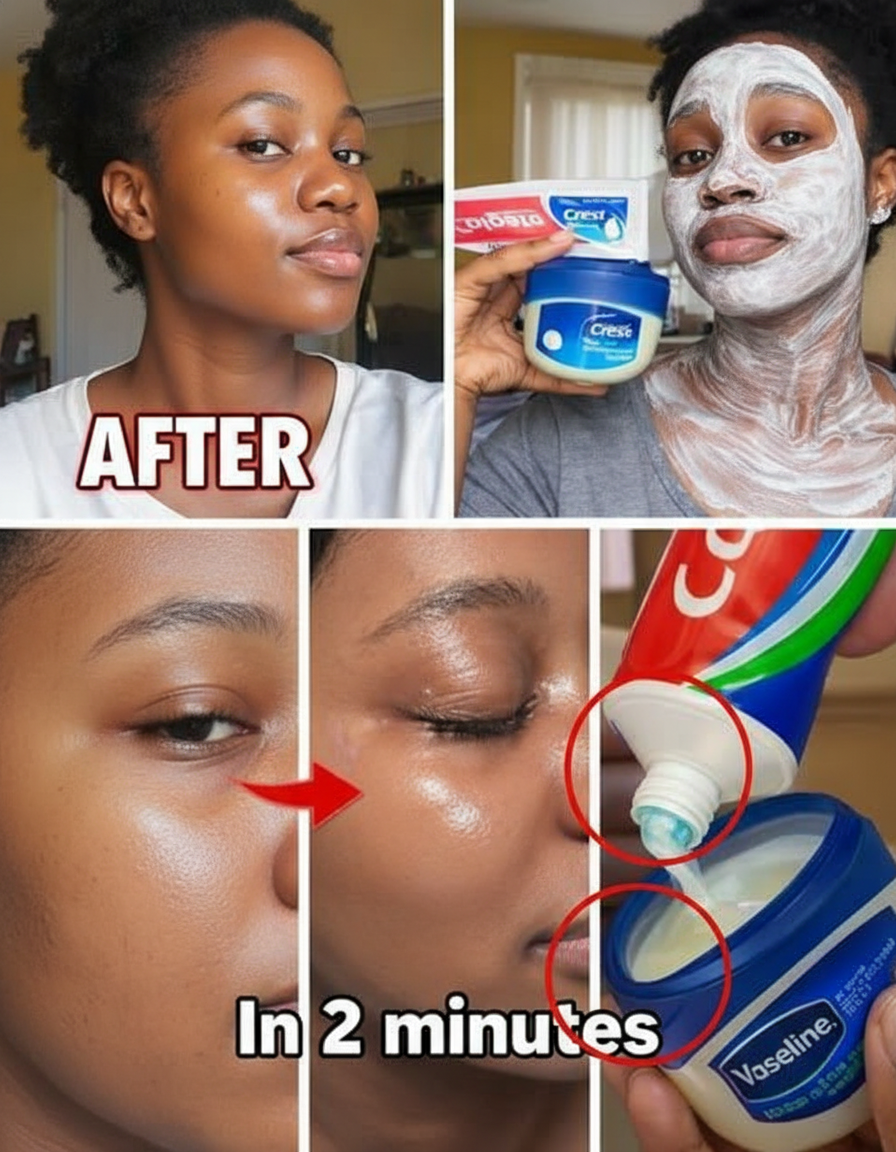
The persistent challenge of managing skin concerns like acne, dryness, or uneven texture often leads to frustration, especially when expensive skincare routines yield inconsistent results. This common predicament has fueled a surge of interest in simple, cost-effective home remedies, leveraging everyday items like toothpaste and Vaseline. This comprehensive guide delves into the popular ‘toothpaste and Vaseline skincare hack,’ examining its true effectiveness based on scientific understanding, and revealing a critical, often-missed safety protocol that can significantly impact your skin’s well-being.
The Rise of the Toothpaste and Vaseline Skincare Trend
The digital age, particularly social media platforms, frequently gives birth to beauty trends born from the collective desire for accessible, affordable, and straightforward skincare solutions. Toothpaste and Vaseline quickly captured public imagination due to their ubiquitous presence in most homes and their perceived beneficial properties. Toothpaste is known for its antibacterial components, gentle abrasives, and refreshing agents like menthol. Similarly, Vaseline, or petroleum jelly, is a household staple celebrated for its exceptional occlusive properties, effectively sealing in moisture and reinforcing the skin’s protective barrier. However, it’s paramount to remember that widespread popularity does not automatically equate to dermatological safety or efficacy. A thorough understanding of how these common household items interact with delicate facial skin is crucial before attempting any application.
Decoding the Individual Ingredients: Their Impact on Skin
Toothpaste’s Interaction with Skin
It’s vital to acknowledge that toothpaste is meticulously engineered for oral hygiene, not dermatological application. Nevertheless, specific constituents within its formula can elicit temporary effects on the skin, which users sometimes misinterpret as beneficial. Its antibacterial agents might offer a transient reduction in superficial bacteria, while mild abrasive particles could aid in dislodging surface impurities. Furthermore, ingredients like menthol impart a cooling sensation that some find temporarily comforting. While studies confirm the ability of antibacterial compounds to diminish bacterial load on surfaces, excessive or improper use on skin risks compromising the delicate skin barrier, potentially leading to irritation or further issues.
The Skincare Prowess of Vaseline (Petroleum Jelly)
In stark contrast to toothpaste, Vaseline is a well-established and highly regarded component in skincare, primarily functioning as an occlusive agent. This means it creates a protective barrier on the skin’s surface, effectively locking in moisture and significantly minimizing transepidermal water loss. Beyond mere hydration, petroleum jelly actively supports the skin’s inherent healing mechanisms. Extensive dermatological research consistently highlights its efficacy in aiding barrier repair, particularly when applied judiciously. Consequently, Vaseline frequently appears in skincare regimens recommended by dermatologists for individuals grappling with severe dryness or a compromised skin barrier.
Exploring Common Applications: “Evidence-Informed” Uses of the Toothpaste & Vaseline Hack
While the combination of toothpaste and Vaseline is not a professionally endorsed skincare treatment, anecdotal reports and limited observations suggest specific ways individuals attempt to utilize this hack. It’s crucial to approach these applications with extreme caution and a clear understanding of potential risks.
1. Targeting the Appearance of Blemishes
Certain active ingredients found in toothpaste are believed to temporarily desiccate surface blemishes. The addition of Vaseline is often intended to mitigate the potential for excessive dryness in the surrounding skin.
- Perceived Benefit: May temporarily diminish the visual redness and size of a blemish.
- Mechanism: Creates a localized drying effect.
- Crucial Caution: This method is strictly for spot treatment and should never be applied frequently or to larger areas of the skin, as it can cause significant irritation.
2. Intense Moisture Retention for Extremely Dry Patches
Vaseline’s profound ability to retain moisture is extensively documented in dermatological literature. When applied to parched skin, it forms an occlusive layer that effectively alleviates flaking and the sensation of tightness.
- Typical Application Areas: Particularly effective on rough areas like elbows and heels, or severely dry patches exacerbated by harsh weather conditions.
- Scientific Backing: Studies consistently demonstrate that petroleum jelly substantially reduces transepidermal water loss (TEWL) when applied to skin, especially when slightly damp, thereby maximizing hydration.
3. Mild Surface Exfoliation (Proceed with Extreme Caution)
Certain non-gel toothpaste formulations incorporate ingredients like baking soda, which possess mild abrasive qualities. When used on the skin, this can theoretically offer a superficial exfoliating effect.
- Potential Outcome: A temporary sensation of smoother skin texture.
- Significant Risk: The caveat is critical: frequent or vigorous application can severely compromise the skin’s natural pH balance and protective barrier, inevitably leading to redness, dryness, and significant irritation. This method is generally not recommended by skincare professionals.
4. Aiding the Visual Recovery of Skin
Vaseline is frequently employed in post-procedure or wound care scenarios to foster an optimal environment for skin recovery by ensuring consistent hydration.
- Observed Effect: Maintaining a well-hydrated surface can contribute to the skin appearing smoother and more supple over time.
- User Reports: This hydrating effect is often cited by individuals who report a perceived improvement in the appearance of minor scars or healing skin. It’s important to differentiate between hydration and actual scar remodeling.
5. Providing a Cooling Sensation for Minor Discomfort
The presence of menthol in toothpaste can induce a distinct cooling sensation, which some individuals find temporarily soothing.
- Reported Benefits (Occasional Use): Users might experience fleeting relief from minor irritations, such as post-shaving discomfort or a sensation of skin tightness.
- Important Caveat: Despite the temporary relief, menthol is a known irritant, particularly for those with sensitive skin, and can provoke adverse reactions.
6. Achieving a Temporary Pre-Makeup Smoothing Effect
Some toothpaste formulations contain astringent properties that can momentarily minimize the appearance of pores. When combined with Vaseline, which lays down a smooth, even surface, this duo is sometimes used as a makeshift primer.
- Purpose: To create a seemingly smoother canvas for makeup application.
- Nature of Effect: This benefit is purely cosmetic and exceptionally short-lived, offering no long-term dermatological advantages.
Ingredient Comparison: A Snapshot of Their Skincare Contributions
| Purpose | Toothpaste | Vaseline (Petroleum Jelly) |
|---|---|---|
| Moisture Retention | Low (can be drying) | High (excellent occlusive) |
| Skin Barrier Protection | Low (can disrupt) | High (reinforces barrier) |
| Antibacterial Action | Moderate (surface level) | None |
| Exfoliation Potential | Mild (depends on formula, often irritating) | None |
| Skin Sensitivity Risk | Higher (due to irritants) | Very Low (generally non-comedogenic & hypoallergenic) |
Exercising Caution: Practical & Safer Approaches to Experimentation (If You Must)
While professional dermatologists generally advise against using toothpaste on the skin, for those determined to experiment, certain methods are considered less risky than widespread application. The key is extreme moderation and careful observation.
Targeted Spot Application (With Extreme Caution)
If you choose to try this hack, focus solely on isolated blemishes.
- Preparation: Combine an extremely minute amount of plain, white, non-gel toothpaste (avoiding whitening or colored varieties due to harsher chemicals) with a slightly larger dollop of Vaseline. Mix thoroughly to create a diluted paste.
- Application: Using a clean cotton swab, apply this mixture only to the center of a single, isolated blemish. Avoid surrounding healthy skin.
- Duration: Leave on for a very short period—no more than 5-10 minutes initially—to gauge your skin’s reaction. Gradually increase if no adverse effects are observed, but never leave on overnight.
- Removal: Gently rinse off with lukewarm water and pat dry.
- Crucial Aftercare: Follow up with a gentle, hydrating moisturizer to counteract any potential drying effects.
The Single Most Overlooked Safety Habit: Patch Testing
Regardless of how minor or common a home remedy may seem, the absolute cornerstone of responsible skincare is patch testing. This vital step is often skipped, yet it can prevent widespread irritation, allergic reactions, and significant skin damage.
- How to Patch Test: Before applying any new product or concoction to your face, apply a tiny amount to an inconspicuous area of skin, such as behind your ear or on your inner forearm.
- Observation Period: Leave the product on for at least 24-48 hours. During this time, monitor for any signs of redness, itching, burning, swelling, or discomfort.
- Interpretation: If any adverse reaction occurs, immediately wash off the product and discontinue use. If no reaction is observed, it’s generally safe to proceed with cautious application to the intended area, though individual sensitivities can still vary.
- Why It Matters: Your skin is unique. What works for one person or seems harmless can be highly irritating or allergenic for another. Patch testing provides a personalized safety check.
Final Thoughts: Informed Choices for Healthy Skin
The allure of quick, inexpensive fixes like the toothpaste and Vaseline hack is understandable, especially in a world saturated with complex and costly skincare options. While Vaseline itself is a dermatologist-approved occlusive with genuine benefits for moisture retention and barrier support, toothpaste is fundamentally not designed for skin. Its ingredients, while effective for oral hygiene, pose significant risks to the delicate balance and integrity of your facial skin.
Ultimately, prioritizing skin health means making informed decisions based on scientific understanding rather than fleeting social media trends. For persistent skin issues, consulting a qualified dermatologist remains the most reliable path to effective, safe, and personalized treatment plans. Always remember that gentle, consistent care, coupled with professional advice, is the true foundation of a healthy, radiant complexion.