 By admin
 As we age, many of us inevitably notice the emergence of fine lines and wrinkles, often leading to feelings of frustration about looking older or more fatigued than we feel internally. This common concern stems from our skin gradually losing moisture and elasticity, a process accelerated by factors like sun exposure, daily environmental stressors, and the natural decline in collagen production. The result is often a less smooth skin texture and a desire for accessible, everyday solutions to maintain a fresher, more vibrant appearance.
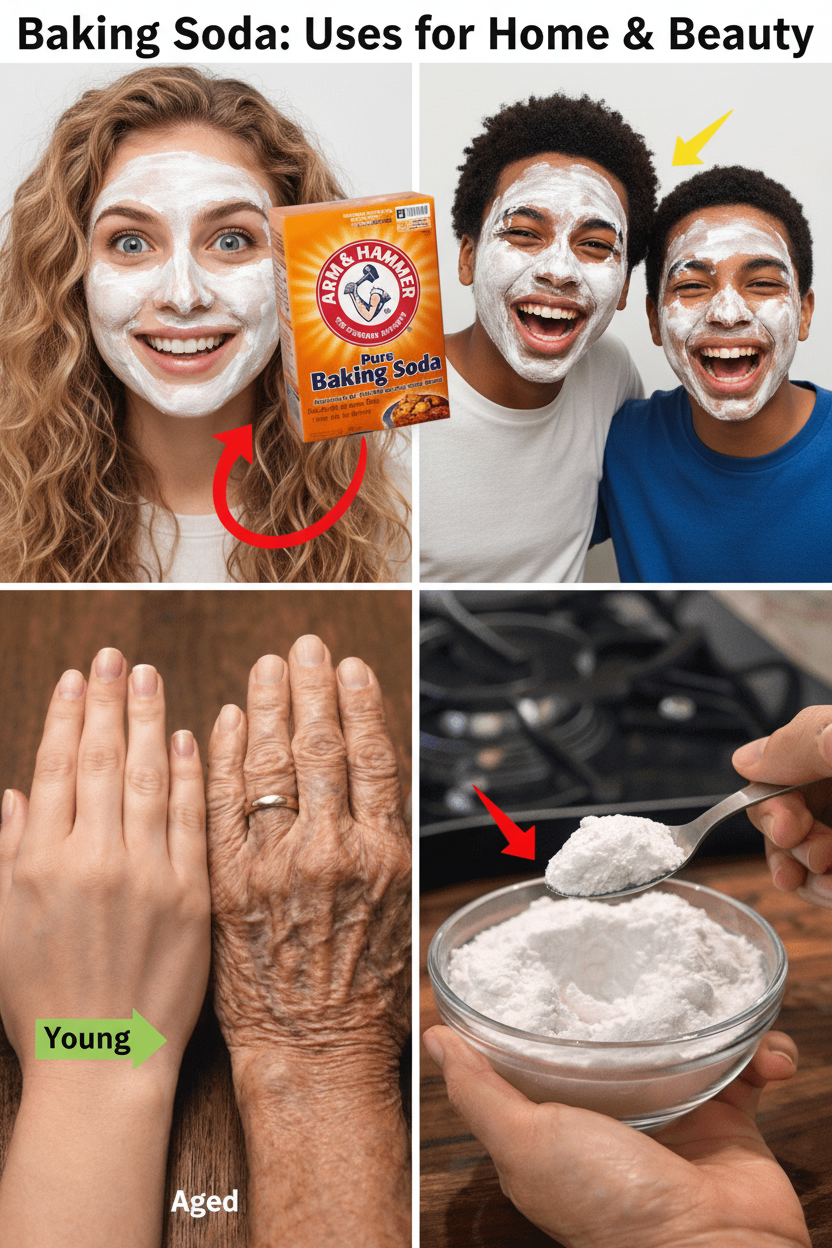
Amidst a sea of skincare advice, a simple kitchen staple frequently surfaces in discussions: baking soda (sodium bicarbonate). Could this common ingredient genuinely offer benefits for your complexion? In this comprehensive article, we will delve into how baking soda is sometimes incorporated into home skincare routines, explore the scientific perspective on its properties, and, most importantly, highlight safer, evidence-based strategies for supporting long-term skin health and a youthful glow.
Why Baking Soda Sparks Interest in Skincare Routines
Baking soda has been a beloved household item for generations, recognized for its mild abrasive texture and naturally alkaline properties. These characteristics have led some individuals to experiment with it topically, driven by claims of gentle exfoliation and beneficial pH effects on the skin.
Indeed, research confirms that exfoliation is a key process that helps remove dead skin cells from the skin’s surface, potentially revealing a temporarily smoother and brighter complexion. Baking soda’s fine, granular quality might contribute to this exfoliating action, especially when used in highly diluted forms. However, a critical point emphasized by skincare experts is the significant difference between baking soda’s pH and the skin’s natural pH. Our skin maintains a slightly acidic pH, typically ranging from 4.5 to 5.5, which is crucial for preserving its protective barrier. In contrast, baking soda is notably alkaline, with a pH of approximately 9. This stark difference means that careless or frequent application can disrupt the skin’s delicate acid mantle, leading to potential irritation or dryness.
While baking soda is occasionally mentioned in discussions for soothing certain skin discomforts, such as itchiness associated with conditions like eczema or psoriasis (often in diluted bath soaks), direct scientific evidence linking it to significant anti-aging benefits, particularly for reducing fine lines and wrinkles, remains limited in dermatology reviews. It’s essential to understand the full picture, weighing both anecdotal upsides and genuine cautions.
What the Science Suggests About Baking Soda and Skin Appearance
Dermatologists consistently advise that while baking soda can indeed function as a physical exfoliant, excessive or harsh use can be detrimental, potentially leading to dryness, redness, and irritation. While consistent, gentle exfoliation can support a brighter complexion by clearing surface buildup, aggressive scrubbing can compromise the skin’s vital protective barrier.
- Exfoliation Benefits: The mild mechanical removal of dead skin cells can temporarily unveil fresher-looking skin. However, this effect is often superficial and short-lived.
- pH Considerations: Alkaline substances like baking soda can significantly shift the skin’s natural pH balance. This disruption can weaken the skin barrier over time, making it more vulnerable to moisture loss, environmental damage, and sensitivity.
- Limited Evidence for Wrinkles: There are no robust clinical studies or significant dermatological endorsements confirming that baking soda effectively reduces fine lines or wrinkles long-term. Any perceived smoothing effect is typically a temporary result of surface exfoliation, not a genuine anti-aging action.
Leading experts and dermatology resources, including platforms like Healthline, consistently highlight the “scant evidence” supporting broad skin applications of baking soda, especially for concerns like aging. They underscore that repeated use carries a considerable risk of damaging the skin’s delicate barrier.
Here’s a concise comparison between baking soda and more widely recommended gentle exfoliants:
- Baking Soda: Inexpensive, widely available; inherently abrasive; carries a high risk of pH imbalance and irritation.
- Gentle Alternatives (e.g., colloidal oatmeal, mild AHAs/BHAs): Generally much better tolerated; often formulated to support skin hydration; present a significantly lower potential for irritation.
Understanding these distinctions is crucial for making informed skincare choices.
Safe Ways to Explore Baking Soda in Your Skincare (with caution)
If you’re still curious about trying baking soda for specific, limited applications, it’s paramount to prioritize safety, moderation, and caution. Always begin with a patch test on a small, inconspicuous area of your inner arm for 24 hours to check for any adverse reactions before applying it to your face or larger areas.
Simple Baking Soda Paste for Occasional Gentle Exfoliation (Use no more than 1–2 times per week, if at all):
- Mix 1 teaspoon of pure baking soda with just enough water to form a smooth, thin paste. (For an extra touch of gentleness, you may add a drop of honey or a mild oil).
- Apply the paste to clean, damp skin using very light, circular motions. Absolutely avoid the sensitive eye area.
- Leave the paste on for a maximum of 1–2 minutes. Do not exceed this duration.
- Rinse your skin thoroughly with lukewarm water until all residue is removed.
- Immediately follow with a hydrating moisturizer to help restore moisture and support the skin barrier.
Baking Soda Bath Soak for Overall Skin Comfort:
- Add ¼–½ cup of baking soda to a warm (not hot) bath.
- Soak in the bath for 10–15 minutes.
- Gently pat your skin dry immediately after the bath and apply a moisturizer right away to lock in hydration.
It’s important to remember that these methods are primarily derived from anecdotal reports and some bath-use recommendations for soothing purposes. They are not considered substitutes for scientifically proven skincare treatments or professional medical advice for addressing skin concerns like fine lines and wrinkles.
Better Habits for Supporting Skin Health Over Time
For those seeking a truly youthful-looking complexion and long-lasting skin health, focusing on evidence-based routines and dermatologist-recommended practices is the most effective approach. These strategies target the root causes of skin aging and offer proven benefits:
- Consistent Sun Protection: Apply a broad-spectrum sunscreen with an SPF of 30 or higher daily, regardless of weather, to protect against harmful UV damage, which is a primary accelerator of aging.
- Hydration and Nutrition: Maintain optimal hydration by drinking plenty of water and nourish your skin from within by consuming a diet rich in antioxidants (found in berries, leafy greens, nuts, and colorful vegetables).
- Gentle Moisturizing: Incorporate high-quality, gentle moisturizers containing ingredients known to support the skin barrier and hydration, such as hyaluronic acid, ceramides, and glycerin.
- Targeted Actives: Consider incorporating proven anti-aging ingredients like retinoids (e.g., retinol, tretinoin) or peptides into your routine. These ingredients are backed by extensive scientific research for their ability to stimulate collagen production and improve skin texture. For personalized advice on potent active ingredients, always consult with a board-certified dermatologist.
By prioritizing these habits, you can build a robust skincare regimen that effectively supports skin health, minimizes the appearance of aging, and helps you achieve a truly radiant, youthful glow over time.
”
}
“`