 By admin
 9 Crucial Early Signs of Cervical Cancer Women Shouldn’t Overlook
Many women, particularly those navigating their 40s and 50s, juggle demanding schedules—balancing careers, family life, and personal well-being. Amidst these daily routines, it’s common to dismiss subtle bodily changes as mere consequences of aging, stress, or hormonal shifts. These quiet signals, such as an unusual discharge or intermittent discomfort, are often set aside until they become more persistent or bothersome. The reality is that cervical cancer can develop insidiously, and recognizing its potential early indicators is vital for prompting timely discussions with a healthcare provider.
Esteemed organizations like the American Cancer Society and Mayo Clinic underscore that while the initial stages of cervical cancer may present no symptoms, certain evolving changes warrant immediate attention to foster better health outcomes. In the United States, approximately 13,000 new cases of cervical cancer are diagnosed annually, according to recent estimates from the American Cancer Society, with a significant number linked to preventable factors such as the human papillomavirus (HPV). The encouraging news is that consistent screenings and heightened awareness play a pivotal role in early detection. What might surprise you is that some of the most common, seemingly innocuous daily complaints could actually be early clues that deserve a closer look—join us as we delve into nine signs that merit your attention.
Why These Signs Often Go Unnoticed
Cervical cancer typically progresses at a slow pace, meaning its initial warning signs frequently resemble more benign, everyday issues like perimenopause, common infections, or even lifestyle-related factors. Research from health authorities such as the CDC points out that unusual vaginal bleeding or discharge often becomes more pronounced in later stages. Yet, many women hesitate to seek medical advice, fearing they might be overreacting or unnecessarily alarming themselves. This delay, however, can be critical, as early awareness empowers proactive steps such as regular Pap tests or HPV screenings. But there’s no need to worry—knowledge is a powerful tool. Let’s explore these signs, starting with the more subtle ones, providing real-world context and insights informed by medical expertise.
Sign 9: Persistent Unusual Vaginal Discharge
While variations in vaginal discharge are a normal part of a woman’s cycle, certain characteristics can be concerning. If your discharge becomes noticeably watery, heavier than usual, takes on a pinkish or blood-tinged hue, or develops a persistent foul odor, it’s a sign that stands out. Many women initially notice these changes during their daily routines and might attribute them to hormonal fluctuations or minor infections. Studies referenced by the American Cancer Society indicate that such shifts can be associated with cellular changes in the cervix. While often benign, any persistent alterations that do not resolve on their own warrant a conversation with your doctor. The key takeaway: if it’s lingering and distinctly different from your usual, tracking its characteristics can provide valuable details for your healthcare provider.
Sign 8: Discomfort or Pain During Intimacy
Sexual intimacy should be comfortable and pleasurable. Therefore, a new sensation of sharpness, stinging, or aching during or after sex can be quite alarming. Women frequently attribute such discomfort to vaginal dryness related to age or stress. However, this symptom could also signal inflammation or other underlying cervical concerns. Medical journals, including insights from women’s health research, have linked persistent pain during intercourse to potential tissue changes in the cervix. It’s important to remember this isn’t always indicative of a serious condition, but recurring issues can significantly impact emotional well-being and quality of life. Imagine reclaiming that ease and comfort—a journey that often begins with an open and honest discussion with your gynecologist.
Sign 7: Spotting or Bleeding Between Periods
Experiencing unexpected spotting, a heavier-than-normal menstrual flow, or any bleeding after menopause can be disruptive and concerning. While stress, hormonal imbalances, or variations in your menstrual cycle are common explanations, irregular bleeding patterns that fall outside your usual cycle deserve careful attention. The CDC highlights that bleeding not directly tied to your normal menstrual cycle may be related to cervical abnormalities, which are frequently associated with HPV. In these cases, consistent patterns of abnormal bleeding are often more indicative than isolated incidents.
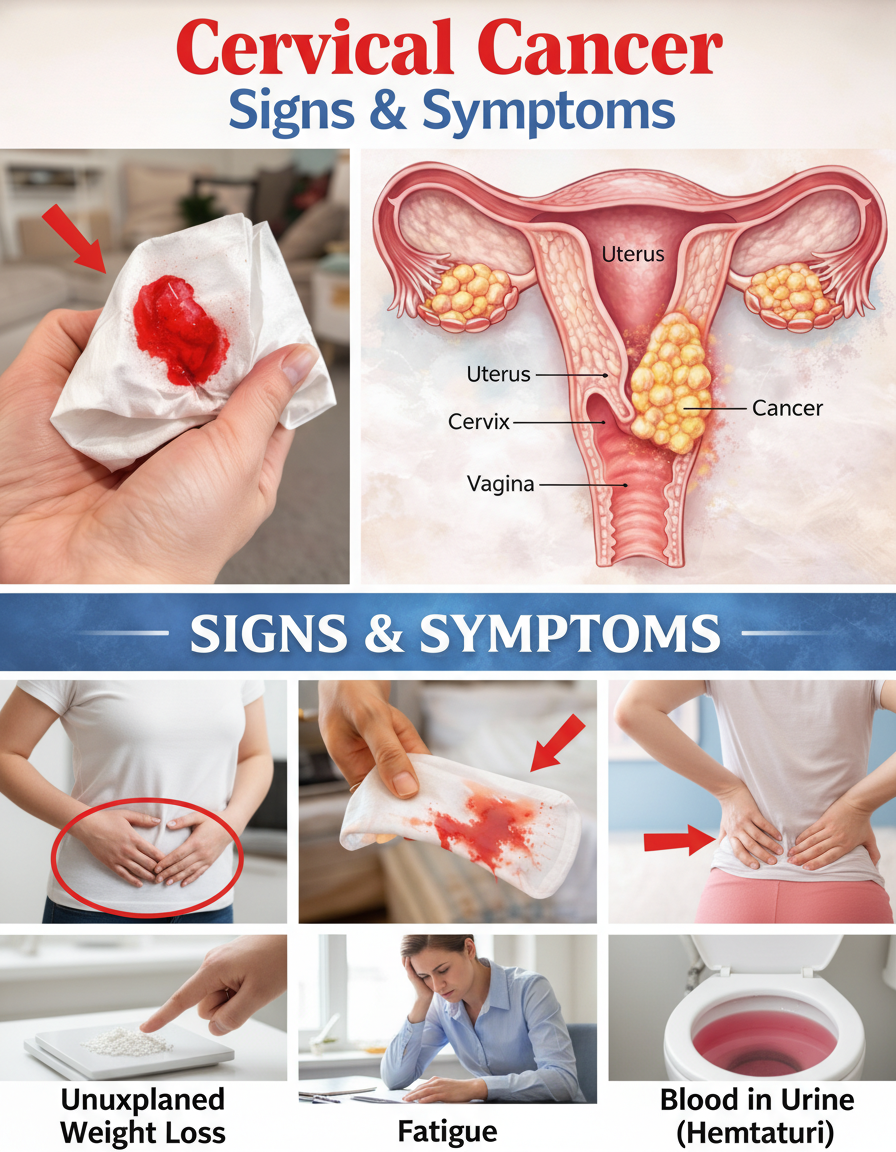
Sign 6: Ongoing Pelvic Discomfort or Pain
A dull, persistent ache in the lower abdomen—often described as a lingering pressure that persists even after physical activity—can significantly interfere with sleep and daily functioning. Many individuals might initially blame this discomfort on strenuous exercise, poor posture, or digestive issues. However, clinical sources like the Mayo Clinic connect prolonged pelvic pressure with possible cervical influences on surrounding tissues. Paying close attention to your body’s signals early on can provide crucial clarity and guide appropriate medical evaluation.
Sign 5: Unexplained, Lingering Fatigue
Feeling utterly drained despite adequate rest, where even simple daily tasks feel overwhelmingly exhausting, can stem from numerous causes, including the demands placed on your immune system. Oncology studies suggest that when the body is actively responding to the presence of abnormal cells, profound and persistent tiredness can manifest. If you experience new, unrelenting fatigue that doesn’t improve with rest, it is certainly worth mentioning to your doctor, especially if accompanied by other unusual symptoms.
Sign 4: Unintentional Weight Loss
Losing weight without making any deliberate changes to your diet or exercise routine might initially seem like a welcome development. However, when unexplained weight loss occurs alongside other unusual bodily shifts, it can signal an underlying imbalance. Health experts observe that metabolic or appetite changes can occur in some cases linked to cervical concerns. Monitoring your overall well-being and noting any significant, unprovoked changes in your weight can be an important part of identifying potential health issues.
Sign 3: Chronic Lower Back Pain
A nagging lower back ache that either radiates to other areas or persists despite attempts at relief can be a concerning symptom. While back pain is a common complaint with many causes, when it’s chronic and unexplained, especially in conjunction with other symptoms mentioned, it warrants investigation. (The original content cuts off here, but this sign is typically elaborated to explain how cervical cancer can spread to nerves or tissues in the pelvic region, causing referred pain in the lower back.)