 By admin
 Tonsil Stones (Tonsilloliths): Your Comprehensive Guide to Understanding and Managing These Common Throat Deposits
Discovering a small, firm, and often malodorous lump after a cough can be a perplexing experience. This unexpected finding is frequently the initial introduction to tonsil stones, medically known as tonsilloliths. These discreet calcified formations develop within the intricate folds of your tonsils, affecting countless individuals without widespread awareness. While generally benign, they are a common culprit behind chronic bad breath (halitosis), causing significant discomfort and embarrassment for many. These small, often white or yellowish deposits result from the accumulation and hardening of various debris over time. Fortunately, gaining insight into their nature and adopting a straightforward daily routine can significantly alleviate their presence and prevent recurrence.
What Exactly Are Tonsil Stones?
At their core, tonsil stones are hardened accumulations of material that form within the small indentations, or crypts, found on your tonsils. Your tonsils play a vital role in your body’s immune system, acting as guardians that trap pathogens, food remnants, shed cells, and mucus. When these elements become lodged in the tonsillar crypts and mix with calcium from your saliva, they undergo a calcification process, solidifying into distinct white or yellowish lumps. While most tonsilloliths are no bigger than a grain of rice, some can expand considerably. Medical professionals, including those at the Cleveland Clinic, confirm their widespread occurrence and typically harmless nature. Often, individuals first notice these deposits during a self-examination or a routine check-up with their dentist. However, their presence frequently signals other underlying symptoms that warrant attention.
Common Symptoms That Might Surprise You
It’s not uncommon for individuals to harbor tonsil stones with no noticeable indications. Yet, when symptoms manifest, they tend to be subtle but can be sufficiently bothersome to impact daily routines. The predominant symptom reported is persistent bad breath, or halitosis, which resists conventional oral hygiene efforts. This unpleasant odor originates from bacteria that metabolize the trapped organic matter, releasing volatile sulfur compounds. Research consistently identifies tonsilloliths as a significant, often overlooked, cause of chronic bad breath. Furthermore, you might experience a scratchy or irritated sensation in your throat, particularly during swallowing, as larger stones exert pressure on adjacent tissues. This can sometimes feel like a foreign object is perpetually caught in the throat. Direct visual evidence, such as small white or yellow spots on the tonsils, can often be observed with a simple mirror examination under good lighting. These deposits may spontaneously dislodge through coughing or normal swallowing. Intriguingly, individuals can also experience ear pain in the absence of an actual ear infection. This phenomenon, known as referred pain, occurs due to the interconnected nerve pathways between the tonsils and ears. Occasionally, the body’s attempt to clear the irritation can lead to noticeably swollen tonsils or a persistent cough. Below is a comparison of these common signs and how they are frequently misdiagnosed:
- Persistent Bad Breath: Arises from volatile sulfur compounds produced by bacteria breaking down trapped debris. Frequently attributed to inadequate oral hygiene or dietary choices.
- Throat Soreness/Irritation: Results from the physical pressure exerted by the tonsil stone on surrounding tissues. Often mistaken for symptoms of a common cold or allergic reactions.
- Visible Deposits & Ear Discomfort: Directly caused by the presence of tonsilloliths and nerve pathway connections. Commonly confused with ear infections or excessive earwax.
- Chronic Cough & Swollen Tonsils: The body’s natural reaction to the presence and irritation caused by the stones. Can be erroneously linked to acid reflux or other lifestyle habits.
What Causes Tonsil Stones to Form?
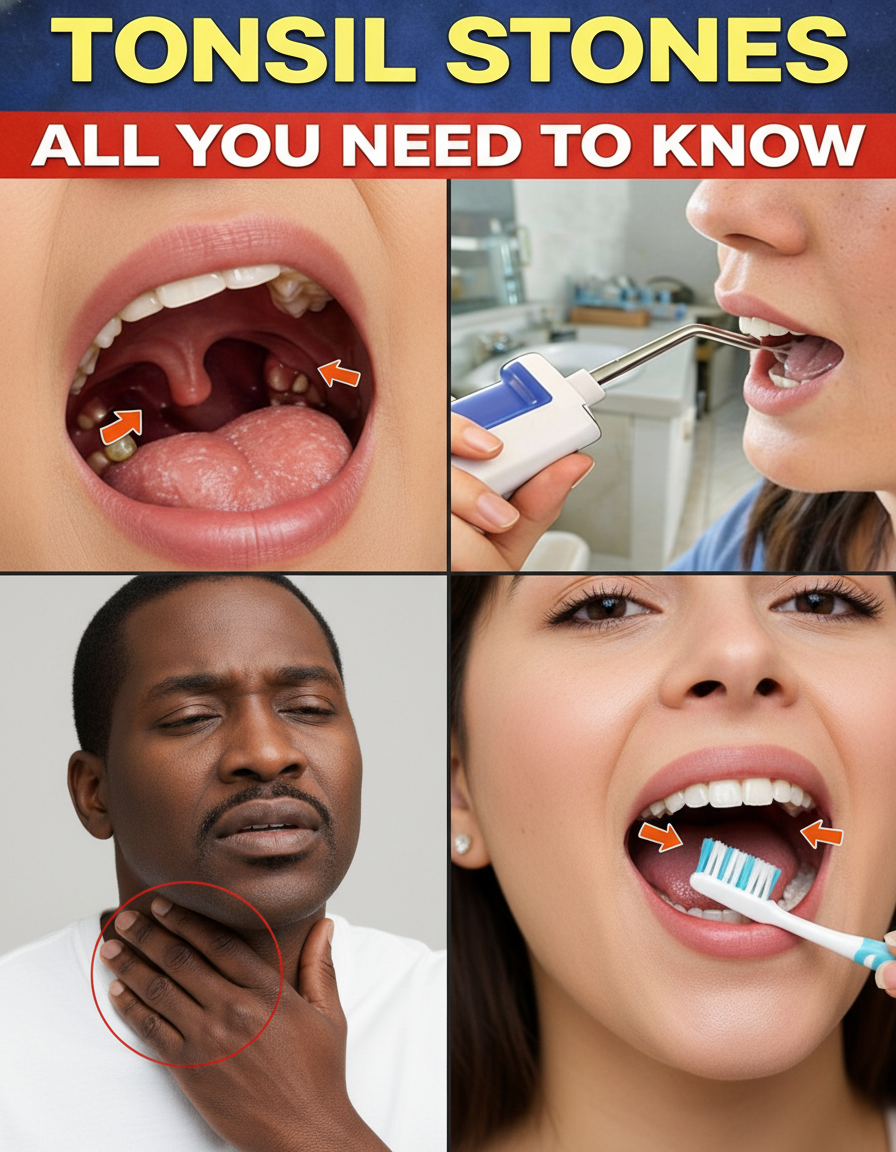
While tonsil stones can affect anyone, several specific factors significantly increase an individual’s susceptibility. Inadequate oral hygiene is a primary contributor, as it leads to a greater accumulation of food particles, bacteria, and dead cells within the tonsil crypts. Individuals who have a history of chronic tonsillitis often possess enlarged or deeper crypts, creating ideal pockets for debris to become ensnared. Similarly, naturally larger tonsils with more pronounced crevices are inherently more prone to collecting such matter. Conditions like post-nasal drip, stemming from sinus problems, introduce additional mucus into the throat, further contributing to the trapped material. Moreover, dehydration can thicken saliva, diminishing its natural ability to cleanse the throat and flush away nascent deposits. Epidemiological studies suggest that tonsilloliths are far more common in the adult population than generally perceived, particularly in those with intricate tonsillar anatomy. The encouraging aspect is that many of these predisposing factors are linked to modifiable daily practices.
How to Safely Remove Tonsil Stones at Home
Frequently, smaller tonsil stones will naturally dislodge and pass unnoticed through routine swallowing or coughing. However, for those stubborn deposits that persist, several gentle and safe home-based strategies can aid in their removal. Healthcare professionals often suggest the following methods:
- Warm Saltwater Gargle: Prepare a solution by dissolving approximately 1/2 teaspoon of salt into 8 ounces of warm water. Gargle with this mixture robustly for 20-30 seconds, repeating several times throughout the day. This technique not only helps to loosen accumulated debris but also provides soothing relief for any associated throat irritation.
- Low-Pressure Water Flosser (e.g., Waterpik): Utilizing a water flosser set to its lowest pressure setting can be an effective way to flush out tonsilloliths. Carefully aim the gentle stream of water directly at the affected tonsil crypts. Exercise extreme caution to avoid injury.
Always remember to proceed with gentleness and consult a healthcare provider if stones are persistent, cause significant discomfort, or if you are unsure about self-removal techniques.