 By admin
 As we gracefully navigate life beyond 60, many of us encounter common challenges like increased joint stiffness, occasional knee discomfort, or a slight loss of balance. While a daily walk has long been a go-to for fitness, the repetitive impact, especially on hard surfaces, can often leave joints aching. For individuals managing arthritis or grappling with balance issues, traditional walking might become less appealing or even unsustainable. The excellent news is that leading orthopedic specialists frequently recommend gentler, low-impact exercises. These activities are designed to help seniors over 60 maintain vital strength, enhance mobility, and boost confidence, all without placing undue stress on vulnerable joints. Focusing on fluid movements, supportive postures, and controlled resistance, these alternatives align with research from institutions like the National Institute on Aging, which underscores the importance of integrating balance, strength, and flexibility for optimal function in older adults. Best of all, many of these surgeon-approved exercises can be performed conveniently at home or in group settings, often requiring minimal equipment. Read on to discover how these approaches can make daily life feel more comfortable and active, plus real ways to get started safely, including a look at five specific exercises that often receive expert endorsement.
Why Traditional Walking Might Not Be Ideal for Seniors Over 60
Undoubtedly, walking offers significant cardiovascular advantages, remaining a free and widely accessible form of exercise. Yet, for many older adults, the continuous impact of feet hitting hard pavements or sidewalks can gradually take a toll on the knees, hips, and lower back. For seniors already experiencing joint wear, dealing with arthritis, or having diminished cushioning in their joints, this repetitive stress can result in persistent aches, discomfort, or fatigue, even after relatively short distances. Research, including studies focused on knee osteoarthritis, indicates that while moderate walking can be beneficial for some, prolonged or high-impact strides might exacerbate discomfort in sensitive joints. Orthopedic specialists often highlight that incorporating low-impact activities effectively lessens this physical load while simultaneously fostering muscle engagement and improving circulation. If you’ve experienced post-walk soreness or find yourself hesitant about extended strolls, rest assured you’re not alone; a growing number of individuals discover considerable relief by integrating more joint-friendly alternatives into their routine.
The Profound Benefits of Low-Impact Exercises for Older Adults
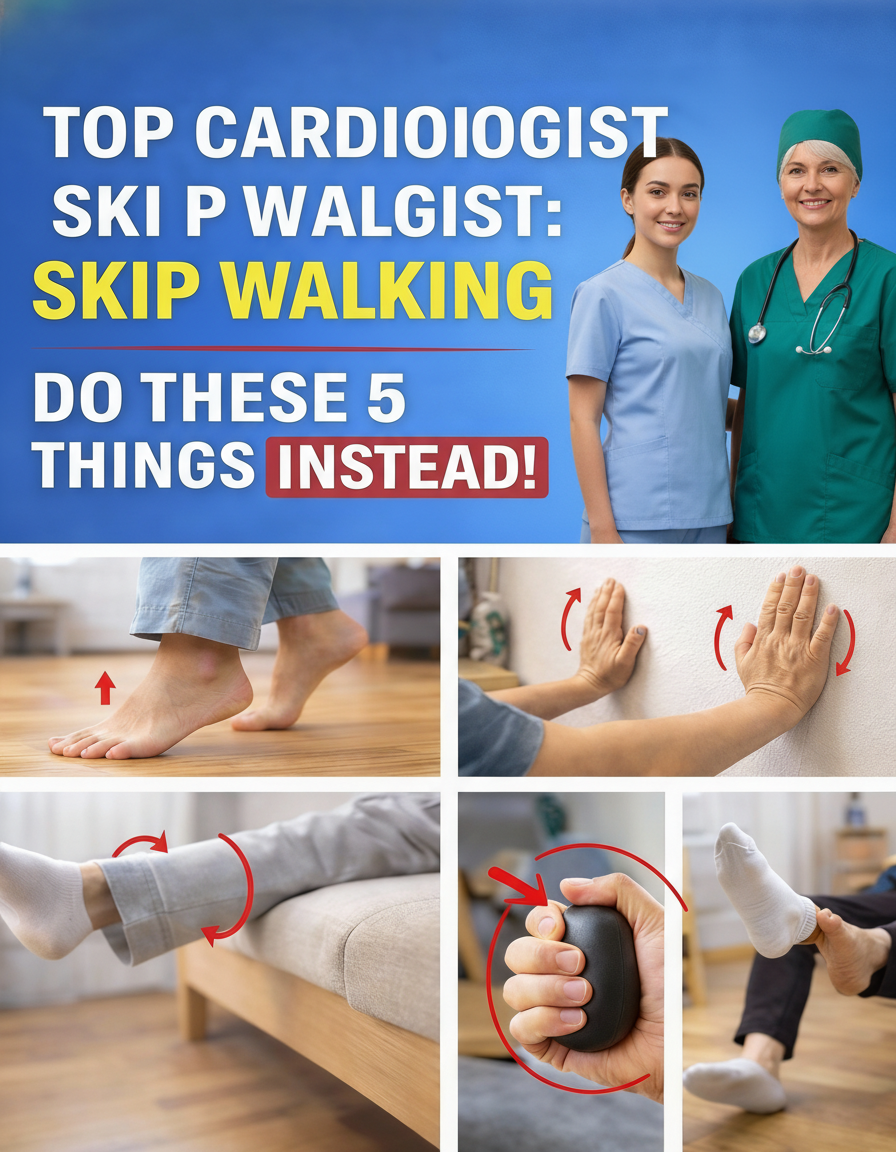
Low-impact movements are specifically designed to minimize stress on your joints by utilizing principles like buoyancy (as in water exercises), seated positions, or well-supported stances. These holistic movements frequently engage multiple muscle groups simultaneously, effectively building leg and core strength, significantly enhancing flexibility, and sharpening your sense of balance – all crucial for preventing falls and maintaining independence. Extensive research consistently supports these exercise approaches for older adults. For example, activities that specifically target balance have been demonstrably linked to improved stability, while gentle resistance training is vital for preserving muscle mass, which naturally diminishes with age (a condition known as sarcopenia). It’s no surprise that many orthopedic surgeons actively recommend these exercises for their patients who want to remain physically active without worsening existing joint problems. The ultimate outcome? Potentially more confident and steadier steps, reduced daily physical strain, and a renewed enjoyment in movement. Here are nine key ways these low-impact options can significantly complement, or in some cases, even surpass the benefits of traditional walking for many seniors:
- Joint-Protective Approach: Leveraging buoyancy or supportive postures, these exercises drastically reduce impact and pounding stress on vulnerable joints.
- Comprehensive Full-Body Engagement: Unlike walking, many low-impact activities engage arms, core, and legs synergistically, promoting more balanced strength development.
- Enhanced Balance & Stability: A strong emphasis is placed on controlled movements and deliberate weight shifts, directly improving proprioception and reducing fall risk.
- Increased Enjoyment & Social Interaction: Participation in group classes or engaging in mindful movement flows can transform exercise into a more social, relaxing, and enjoyable experience.
- Unrestricted by Weather: Enjoy the flexibility of performing these exercises indoors, regardless of external weather conditions.
- Crucial Muscle Mass Preservation: Incorporating resistance elements helps combat sarcopenia, the natural age-related decline in muscle mass, sustaining strength and metabolic health.
- Improved Range of Motion: Gentle, controlled movements and stretching inherent in these exercises foster greater flexibility, making everyday tasks easier.
- Safe Cardiovascular Conditioning: Elevate your heart rate and boost cardiovascular health effectively, yet without subjecting your body to high-impact strain.
- Greater Daily Independence: The cumulative benefits—improved strength, balance, and flexibility—directly support essential daily activities like standing up, reaching, and maintaining autonomy.
While individual experiences will vary, integrating a variety of these activities often proves key to sustaining long-term motivation and adherence to a fitness routine.
Low-Impact Alternatives vs. Traditional Walking: A Quick Comparison for Seniors
| Exercise/Benefit | Low-Impact Alternatives (e.g., our 5 exercises) | Traditional Walking |
|---|---|---|
| Joint Impact | Very low (often supported by water or seated positions) | Moderate (direct ground contact) |
| Strength Building | Higher (incorporates targeted resistance and muscle engagement) | Lower (primarily focuses on endurance) |
| Balance Improvement | Strong, deliberate focus on stability and proprioception | Moderate, depends on terrain and individual gait |
| Accessibility | Can be done at home, using a chair, in a pool, or in a class setting | Typically performed outdoors, weather-dependent |
| Expert Recommendation |