 By admin
 Imagine unwinding after a long day, only to discover a persistent tingling in your toes or an unusual numbness when your feet touch the cool floor. While it’s easy to dismiss such sensations as mere fatigue or the result of ill-fitting shoes, these subtle shifts could be early indicators of a more significant underlying issue: nerve damage. Peripheral neuropathy, a condition affecting millions globally, frequently manifests first in the extremities, particularly the toes. It often progresses silently, making early recognition crucial. Understanding these initial signs empowers you to seek timely support, paving the way for improved foot health and overall well-being.
Understanding Peripheral Neuropathy: Why Your Toes Are Often the First Indicator
Your peripheral nerves function as vital communication lines, transmitting crucial signals between your brain and extremities concerning sensation, temperature, and balance. When these delicate nerves sustain damage—often due to factors such as uncontrolled diabetes, specific vitamin deficiencies, or other prevalent medical conditions—this vital signal transmission becomes disrupted. This disruption frequently originates in the longest nerves, those extending furthest from your spinal cord, which naturally reach your feet and toes. It’s common for individuals to disregard these initial whispers of trouble, attributing them to the natural process of aging or everyday strain. However, leading medical institutions like the Mayo Clinic and Cleveland Clinic emphasize that these seemingly minor changes warrant close attention, as they can escalate if not properly managed.
The Challenge of Early Detection: Why Foot Symptoms Are Often Dismissed
With advancing age, experiencing various minor foot discomforts is a common occurrence, often blending seamlessly into the rhythm of daily life. Hectic routines and the general wear and tear of aging make it all too easy to brush off an unusual tingling or persistent dullness in the toes, often with the assumption that “it will simply resolve with some rest.” While many foot sensations indeed arise from harmless causes, such as temporary pressure or circulatory issues, those that are persistent, unusual, or worsening warrant closer scrutiny. Research consistently underscores the profound benefits of early awareness in facilitating proactive management strategies, ultimately preserving mobility and enhancing overall quality of life.
8 Subtle Indicators of Nerve Damage Often Beginning in Your Toes
These eight common early indicators are frequently reported in cases of peripheral neuropathy. They typically manifest gradually and may initially be intermittent:
- Persistent Tingling or “Pins and Needles” Sensations
Experiencing a persistent fizzing, prickling, or crawling sensation in your toes, akin to mild static electricity. This paresthesia is often one of the very first signs reported, particularly noticeable when at rest or after prolonged sitting.
- Numbness: Toes Feeling “Asleep” or Detached
A diminished or absent response to touch in your toes, making them feel distant, “asleep,” or as if they’re covered in thick padding. You might struggle to feel the texture of carpets or the seams of your socks.
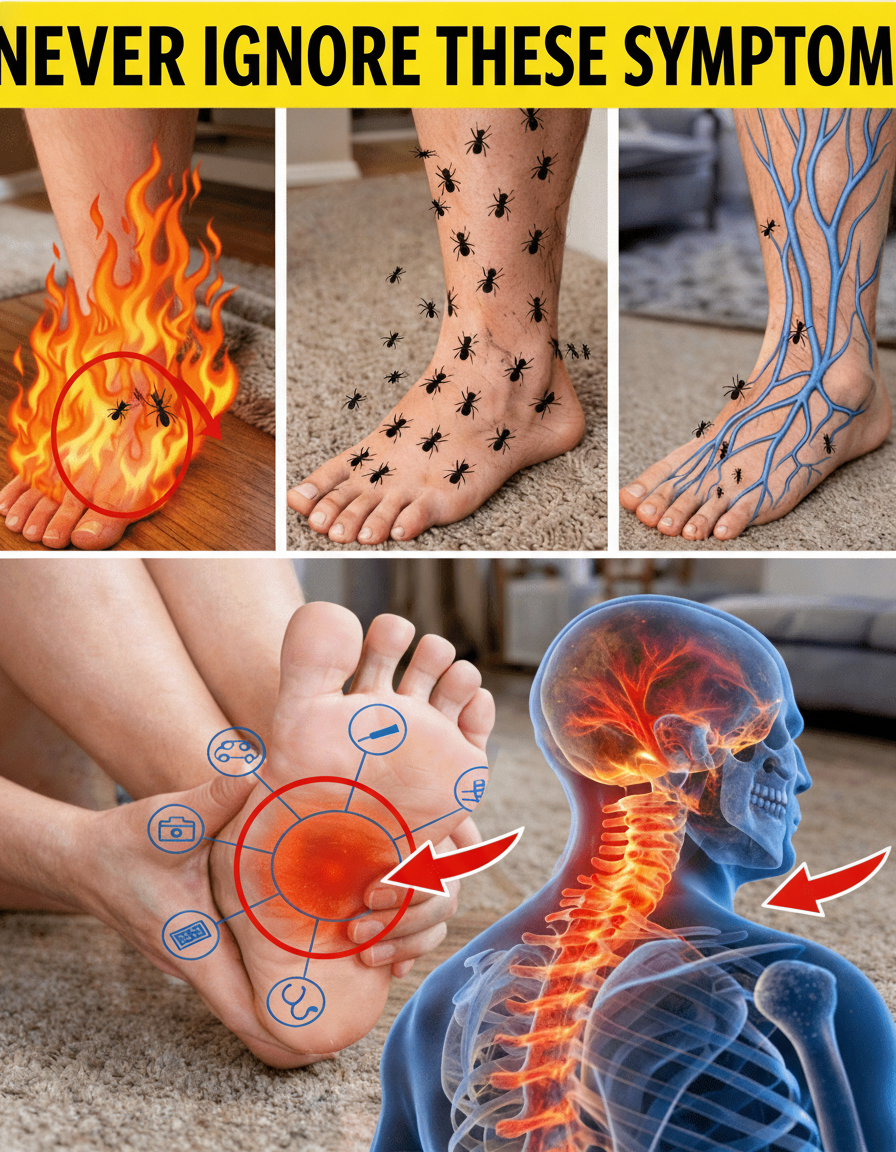
- Burning or Unexplained Warmth, Especially at Night
A sensation of intense heat or a fiery feeling in your toes, even when your surroundings are cool. This discomfort frequently worsens during the evening hours and can disrupt sleep, often linked to small nerve fiber involvement.
- Unusual Coldness in the Toes
Toes that persistently feel cold, even in a warm environment, or a misperception of temperature where a surface (like the floor) feels significantly colder than it actually is.
- Sharp, Shooting, or Electric-Shock Like Pains
Sudden, intense jabs, zaps, or electric-shock sensations that shoot through your toes or feet, particularly during movement. These can be startling and may become more frequent or severe in the evenings.
- Heightened Sensitivity to Light Touch (Allodynia)
Experiencing discomfort or even pain from stimuli that should not be painful, such as the gentle brush of bedsheets against your toes or the light touch of clothing.
- Balance Impairment or Unsteady Gait
Feeling wobbly, experiencing increased clumsiness, or noticing more frequent trips or falls. This often stems from reduced sensory feedback from your feet about your position and the ground, especially noticeable in dim lighting.
- Changes in Foot Skin, Nails, or Delayed Wound Healing
Observing dry, cracked skin, brittle toenails, or minor cuts, scrapes, or ulcers on your feet that take an unusually long time to heal. These issues can be linked to autonomic nerve effects on blood circulation and moisture regulation.
Distinguishing Nerve Damage Symptoms from Everyday Foot Discomfort
It’s crucial to differentiate between the subtle signs of nerve damage and the common aches and pains that accompany daily life or aging. This comparison table provides clarity:
| Aspect | Potential Nerve-Related Signs | Typical Aging or Fatigue |
|---|---|---|
| Duration | Persistent, chronic, or gradually intensifies over time | Temporary, often resolves with rest or reduced activity |
| Pattern | Frequently originates |